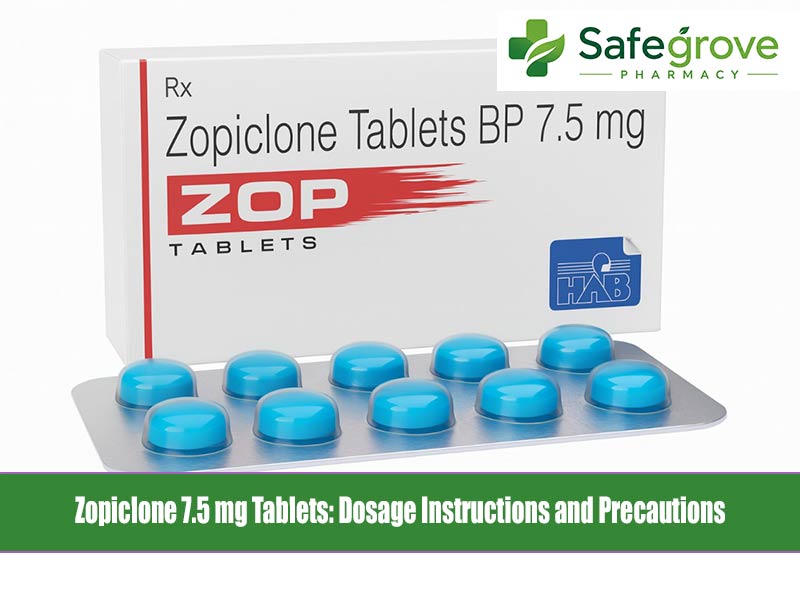
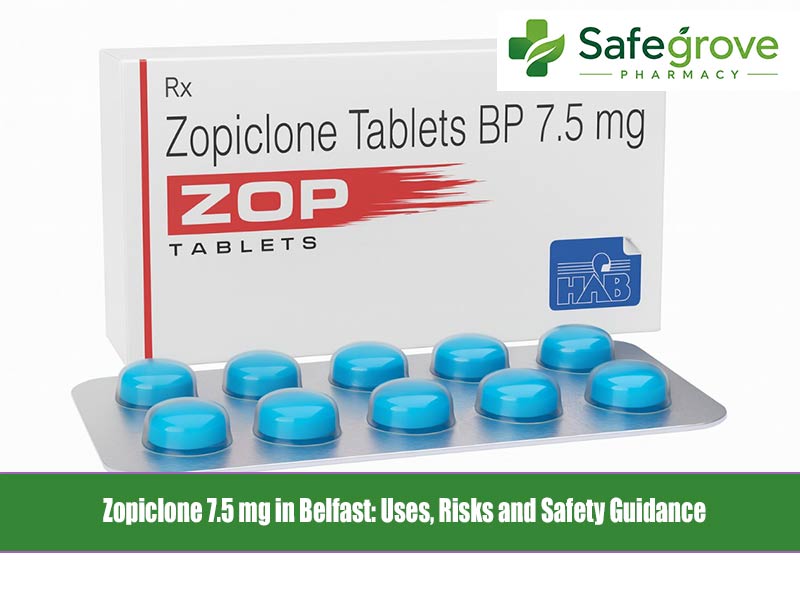
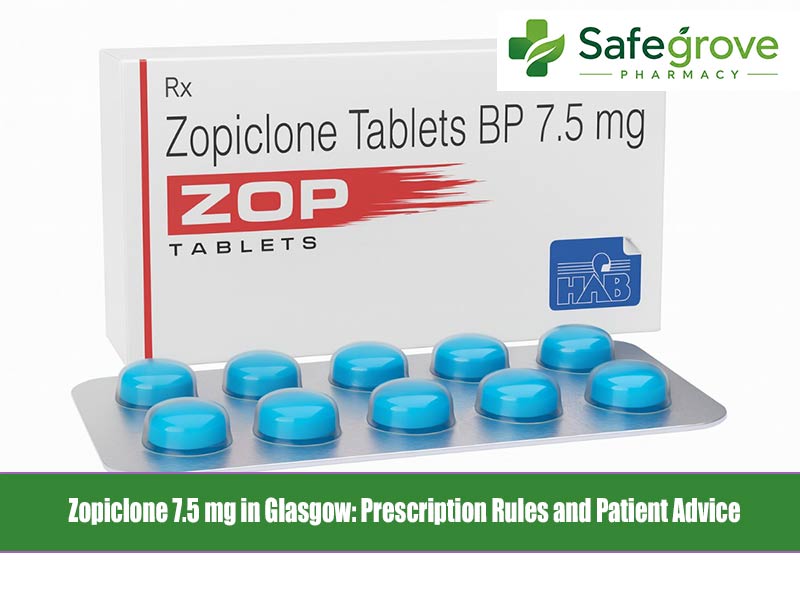
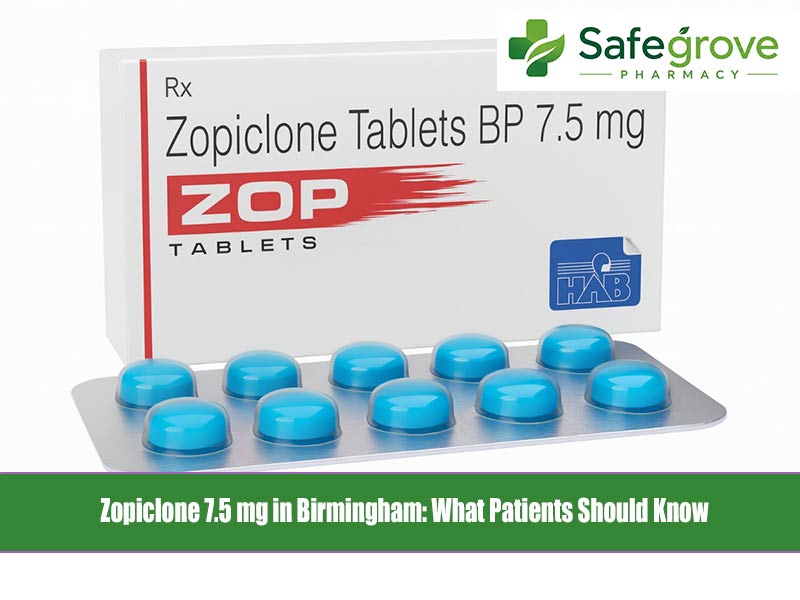
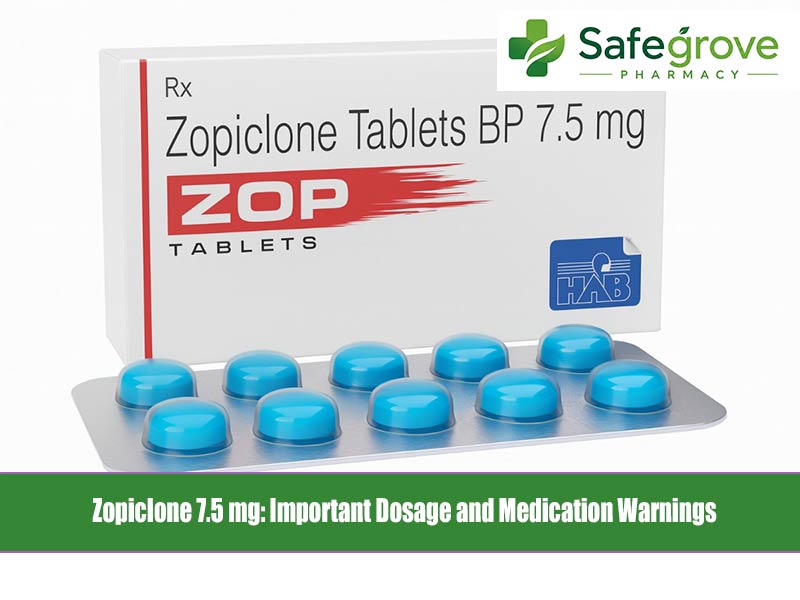
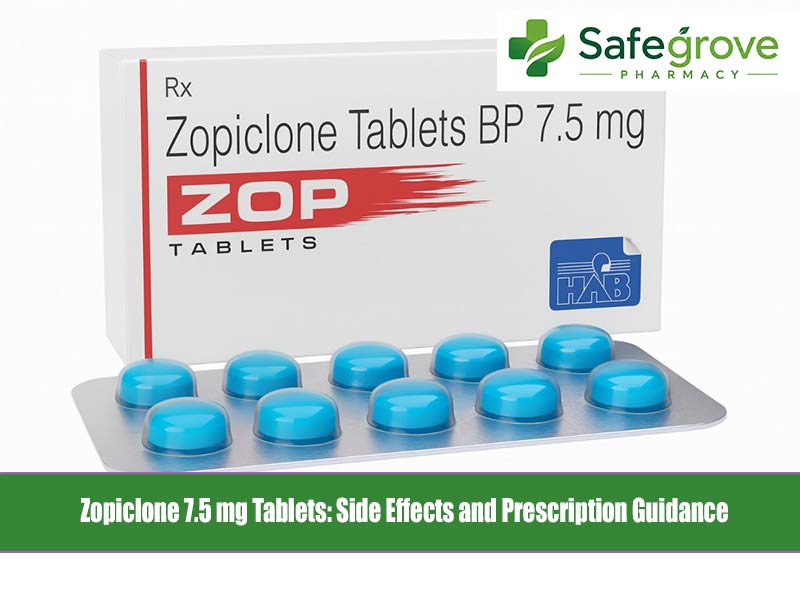
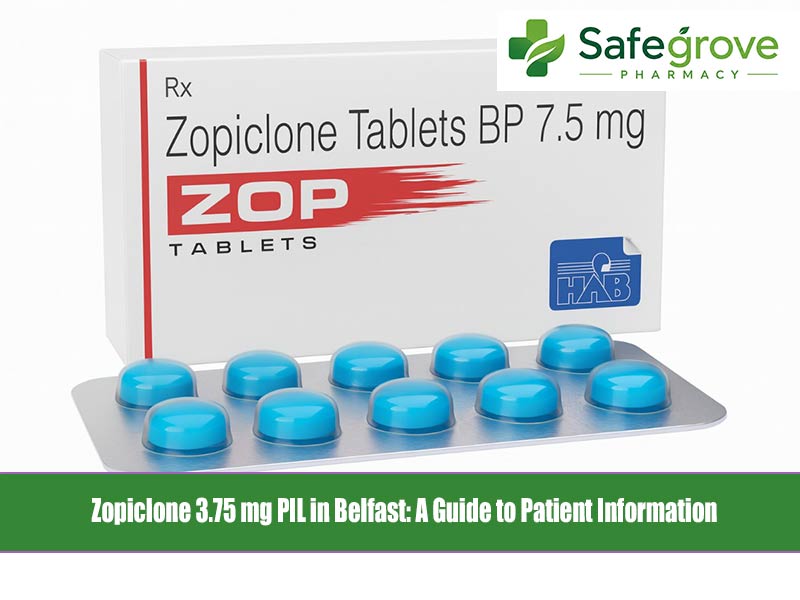
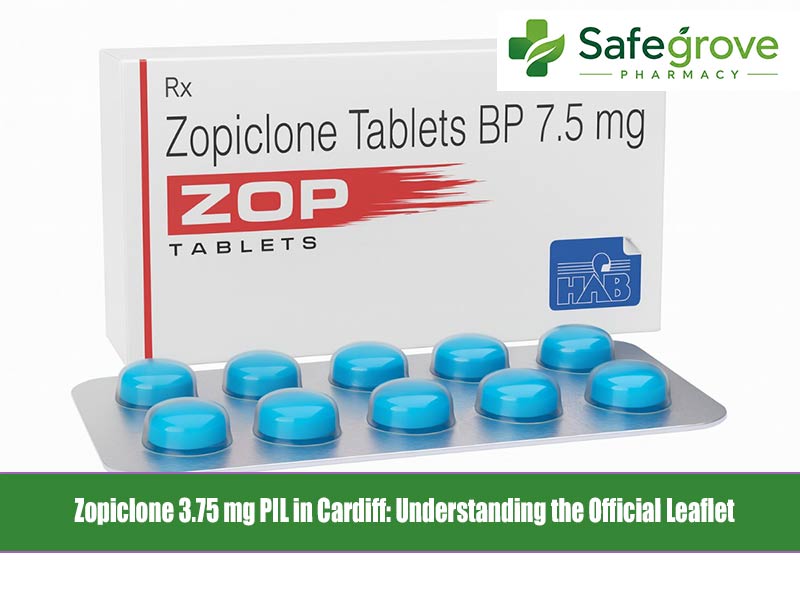
Experiencing persistent, exhausting nights of broken sleep can take a severe toll on your physical health, emotional wellbeing, and daily concentration. When lifestyle adjustments and sleep hygiene measures fail to resolve acute sleep disruption, healthcare professionals across the United Kingdom—from London and Birmingham to Manchester, Belfast, and Edinburgh—may evaluate patients for short-term pharmacological support. For qualifying adults, zopiclone 7.5 mg tablets are frequently prescribed to help restore normal sleeping patterns during periods of acute distress.
Because zopiclone is a powerful, regulated prescription-only medicine, understanding how to take it safely, interpreting your Patient Information Leaflet (PIL), and recognizing potential safety precautions is essential. At Zopiclone Direct UK, we are committed to providing transparent, evidence-based clinical education to help UK patients navigate their medicines responsibly.
What Is Zopiclone 7.5 mg and Why Is It Prescribed?
Zopiclone is a non-benzodiazepine hypnotic agent widely known as a “Z-drug”. Its primary therapeutic role in clinical practice is to act as a potent hypnotic medicine designed to induce and maintain sleep.
In the UK, zopiclone 7.5 mg film-coated tablets are licensed exclusively for the short-term treatment of severe, disabling, or debilitating insomnia in adults aged 18 and over. Clinicians typically prescribe it when sleeplessness causes profound daytime impairment or extreme emotional distress, such as:
Initial insomnia: Severe, persistent difficulty falling asleep after turning off the lights.
Middle insomnia: Frequent nocturnal awakenings with an inability to drift back off.
Terminal insomnia: Waking up too early in the morning and remaining exhaustingly awake.
Situational insomnia: Acute sleep disturbance linked to temporary traumatic stressors or severe life events.
The Importance of Short-Term Use
Both NHS guidelines and UK regulatory standards emphasize that zopiclone should only be prescribed for the shortest possible duration—typically ranging from a few days up to 2 to 4 weeks maximum (including any necessary tapering period). Prolonged daily use is discouraged for two critical clinical reasons:
Tolerance: The brain adapts rapidly to the presence of zopiclone, meaning the 7.5 mg dose loses its effectiveness after a few weeks of continuous nightly consumption.
Dependence: Extended use significantly increases the risk of physical and psychological dependence, leading to rebound sleeplessness when stopping.
Understanding the 7.5 mg Strength vs. 3.75 mg Tablets
Zopiclone is manufactured in the UK in two primary film-coated strengths: 3.75 mg and 7.5 mg.
For healthy adult patients under the age of 65, 7.5 mg is the standard single nightly dose. However, standard does not mean universal; prescribers strictly adhere to clinical protocols ensuring that every patient receives the lowest effective dose for their specific circumstances.
Clinical Feature
Zopiclone 3.75 mg Tablets
Zopiclone 7.5 mg Tablets
Target Patient Group
Older adults (aged 65+), or patients with impaired liver, kidney, or respiratory function.
Healthy adults aged 18 to 64 experiencing acute severe insomnia.
Clinical Purpose
Reduced starting dose to minimize next-day sedation, confusion, and fall risks.
Standard adult therapeutic hypnotic dose for acute sleep loss.
Administration
One 3.75 mg tablet taken immediately before bedtime.
One 7.5 mg tablet taken immediately before bedtime.
Maximum Limit
Must never be exceeded; strictly one dose per 24-hour cycle.
7.5 mg in 24 hours is the absolute maximum UK adult limit.
Crucial Dosage Rule: Never alter your prescribed dose independently. If you have been prescribed 3.75 mg, do not take two tablets to equal 7.5 mg unless explicitly instructed by your prescriber. Conversely, if you take 7.5 mg and experience excessive morning grogginess, consult your GP or pharmacist before modifying your tablets.
To understand why zopiclone is effective, it helps to examine how it interacts with central nervous system chemistry. Zopiclone works by binding to GABA receptor complexes in the brain, enhancing the activity of gamma-aminobutyric acid (GABA). GABA is the primary inhibitory neurotransmitter responsible for slowing down neural activity, relaxing muscle tension, and calming racing thoughts.
Onset and Duration of Action
Onset of Action: Zopiclone is rapidly absorbed from the gastrointestinal tract, typically beginning to work within 30 to 60 minutes of ingestion. Because of this rapid onset, patients must only take their tablet when they are already in bed or immediately before retiring.
Duration of Effect: The elimination half-life in healthy adults is approximately 5 hours, providing adequate plasma levels to maintain sleep for a full 7 to 8 hours without premature awakening.
Intermittent Dosing: In certain clinical scenarios, your doctor may recommend taking zopiclone only 2 or 3 nights per week rather than every night, helping to preserve efficacy and reduce dependence risk.
How to Find and Read Your Patient Information Leaflet (PIL)
Every licensed box of zopiclone dispensed in the UK includes an official Patient Information Leaflet (PIL) approved by the Medicines and Healthcare products Regulatory Agency (MHRA). If your physical leaflet is misplaced, digital, up-to-date copies can be accessed instantly via the Electronic Medicines Compendium (emc) website.
When reviewing your PIL, focus on these core sections:
Therapeutic Indication: Confirms active ingredients and approved short-term uses.
Contraindications & Warnings: Details who must avoid the medicine and highlights specific health cautions.
Storage Guidelines: Outlines proper storage below 25°C in original packaging out of children’s reach.
Who Should Avoid Zopiclone 7.5 mg?
Although widely prescribed, zopiclone is contraindicated for certain individuals based on safety guidelines from the NHS and emc. You must not take zopiclone if you have:
Known Hypersensitivity: An allergy to zopiclone or any inactive tablet excipients (such as lactose monohydrate).
Myasthenia Gravis: A neuromuscular condition causing extreme muscle weakness, which sedatives can dangerously worsen.
Severe Respiratory Insufficiency: Compromised lung function where central nervous system depression could lead to life-threatening breathing difficulties.
Sleep Apnoea Syndrome: A condition characterized by repeated breathing interruptions during sleep.
Severe Hepatic Impairment: Liver disease that impairs drug metabolism, risking severe toxicity or encephalopathy.
History of Complex Sleep Behaviours: Past episodes of sleepwalking, sleep-driving, or preparing food while not fully awake after taking Z-drugs.
Special Populations: Pregnancy and Mental Health
Pregnancy & Breastfeeding:Zopiclone is generally avoided during pregnancy, especially near term, due to risks of neonatal sedation or withdrawal symptoms. It also passes into breast milk. Never co-sleep with an infant while taking sedating medicines.
Mental Health History: Inform your prescriber if you have a history of depression or substance abuse, as hypnotics can occasionally unmask low mood.
Side Effects of Zopiclone 7.5 mg: Common and Serious Risks
Bitter or Metallic Taste: A distinct dysgeusia (metallic or bitter taste) is the most frequently reported side effect, caused by the excretion of active metabolites into saliva.
Dry Mouth: Mild overnight dryness is common.
Next-Day Drowsiness: Residual morning fatigue or reduced alertness can occur, particularly if sleep duration was less than 7 hours.
Serious Reactions and Red-Flag Symptoms
Seek immediate medical attention (via your GP, NHS 111, or 999 in an emergency) if you experience:
Complex Sleep Behaviours: Performing complex tasks (e.g., driving, cooking) with complete amnesia the next morning.
Anaphylaxis: Sudden facial swelling, lip swelling, wheezing, or severe breathing difficulties.
Severe Psychiatric Disturbances: Hallucinations, acute confusion, delusions, or uncharacteristic aggression.
Critical Drug Interactions: Alcohol, Opioids, and Sedatives
Zopiclone depresses central nervous system activity. Combining it with other interacting substances can cause profound, life-threatening complications.
1. Alcohol Interaction (Strict Contraindication)
Never consume alcohol while taking zopiclone. Alcohol synergistically enhances sedative effects, creating an unnaturally deep sleep state where breathing can become dangerously suppressed, and arousal becomes difficult.
2. Opioid Painkillers
Combining zopiclone with opioid analgesics (e.g., codeine, tramadol, morphine, oxycodone) vastly increases the risk of profound sedation, respiratory depression, coma, and fatal overdose.
3. Other CNS Depressants and Liver Enzyme Modulators
CYP3A4 Inhibitors & Inducers: Drugs affecting liver enzymes—such as erythromycin, clarithromycin, ketoconazole, or ritonavir—can alter zopiclone blood concentrations.
Driving, Workplace Safety, and the 12-Hour Rule
Under UK transport law, driving while impaired by prescription medications is illegal. Because zopiclone 7.5 mg impacts coordination, reaction times, and cognitive processing:
The 12-Hour Rule: Do not drive, ride a bike, or operate machinery for at least 12 hours after ingestion.
Assess Personal Alertness: Even after 12 hours, refrain from driving if you still feel groggy, dizzy, or unfocused.
Tolerance, Dependence, and Safe Withdrawal
Regular use of zopiclone for more than 2 to 4 weeks can lead to physical and psychological dependence. Never stop taking zopiclone abruptly if you have used it nightly for an extended period. Abrupt cessation can trigger severe rebound insomnia, anxiety, tremors, and palpitations. Clinicians manage withdrawal by designing a gradual dose-tapering schedule.
Accessing Zopiclone Safely in the UK
Zopiclone is strictly classified as a Prescription-Only Medicine (POM) and a Schedule 4 Controlled Drug across the UK. It cannot be purchased legally without a valid prescription from a registered medical practitioner. Always verify that any online or community pharmacy you use is registered with the General Pharmaceutical Council (GPhC) or the Pharmaceutical Society of Northern Ireland (PSNI).
Speak With Our Pharmacy Team at Zopiclone Direct UK
Navigating prescription sleep aids requires expert clinical oversight. If you have questions about your zopiclone 7.5 mg dosage instructions, require an interaction check, or need guidance on safe sleep hygiene across the UK, our qualified pharmacy team at Zopiclone Direct UK is here to support your health journey.
Frequently Asked Questions
1. What is zopiclone 7.5 mg used for?
Zopiclone 7.5 mg is a prescription-only hypnotic medication used in the UK for the short-term treatment of severe, debilitating insomnia in adults aged 18 and over, helping individuals who struggle to fall or stay asleep.
2. How long does zopiclone 7.5 mg take to work?
Zopiclone typically begins working within 30 to 60 minutes of swallowing the tablet whole with water, which is why it should be taken immediately before getting into bed.
3. What is the difference between zopiclone 3.75 mg and 7.5 mg?
Zopiclone 7.5 mg is the standard adult dose, while 3.75 mg is a lower starting strength prescribed for older adults (65+) or those with liver, kidney, or breathing issues to minimize next-day sedation.
4. Can I drink alcohol while taking zopiclone 7.5 mg?
No, you must never consume alcohol while taking zopiclone, as the combination severely depresses your central nervous system, suppresses breathing, and increases dangerous side effects.
5. What are the most common side effects of zopiclone 7.5 mg?
The most frequent side effects include a bitter or metallic taste in the mouth, a dry mouth, and feeling drowsy, tired, or dazed the following morning.
6. Can I drive the morning after taking zopiclone 7.5 mg?
You must wait at least 12 hours after taking zopiclone before driving, cycling, or operating machinery, and only if you feel completely alert and free from residual drowsiness.
7. What should I do if I wake up in the middle of the night?
Never take a second zopiclone tablet during the same night, as doing so increases the risk of severe daytime impairment, memory loss, and accidental overdose.
8. Is zopiclone 7.5 mg addictive, and how long can I take it?
Yes, zopiclone can cause dependence if taken regularly; therefore, UK doctors restrict prescriptions to a maximum duration of 2 to 4 weeks.
9. How do I safely stop taking zopiclone 7.5 mg?
If you have used zopiclone continuously, do not stop abruptly. Consult your doctor or pharmacist to establish a gradual dose-tapering schedule to avoid withdrawal symptoms and rebound insomnia.
10. Can I buy zopiclone 7.5 mg over the counter in the UK?
No, zopiclone is a Prescription-Only Medicine (POM) and a Controlled Drug in the UK, meaning it is illegal to purchase it without a valid prescription from an authorized prescriber.