Persistent, severe sleeplessness can severely undermine your physical health, emotional well-being, and daily safety. When acute sleep disruption starts impacting your work and quality of life, a healthcare professional may occasionally prescribe zopiclone 7.5 mg for a strictly limited duration. Because zopiclone is a potent central nervous system medicine governed by strict UK safety regulations, understanding its clinical role, correct administration, and potential side effects is essential before taking your first dose.
In the United Kingdom, zopiclone is classified as a prescription-only medicine (POM) and a Schedule 4 Controlled Drug. Whether you have just collected a prescription from your GP surgery, are reviewing the official zopiclone patient information leaflet (PIL) at home, or are researching legitimate zopiclone sleeping tablets UK guidelines, reliable information ensures safe and responsible use.
At Zopiclone Direct UK, patient safety and clinical integrity always come first. In this comprehensive UK patient guide, we examine everything you need to know about zopiclone 7.5 mg tablets: how they work, correct dosing instructions, common and serious side effects, dangerous interactions with alcohol and opioids, and why UK prescribers enforce strict time limits on treatment.
Quick Safety Overview: Zopiclone 7.5 mg at a Glance
Review these core clinical facts before reading further, based on official NHS recommendations and UK manufacturer Patient Information Leaflets:
-
Medicine Category: Non-benzodiazepine hypnotic (“Z-drug”).
-
UK Legal Status: Prescription-Only Medicine (POM) and Schedule 4 Controlled Drug; cannot be legally obtained without a valid prescription.
-
Approved Indication: Short-term treatment of severe, disabling insomnia in adults aged 18 and over.
-
Onset of Action: Typically takes 30 to 60 minutes to produce sedative effects.
-
Maximum Duration: Usually prescribed for a few days up to 2 weeks, and strictly no longer than 4 weeks (including tapering).
-
Driving Restriction: Do not drive, cycle, or operate machinery for at least 12 hours after taking a dose, or longer if residual drowsiness persists.
-
Alcohol Prohibition: Avoid alcohol entirely during treatment; combining them can cause profound sedation and life-threatening respiratory depression.
What Are Zopiclone 7.5 mg Tablets?
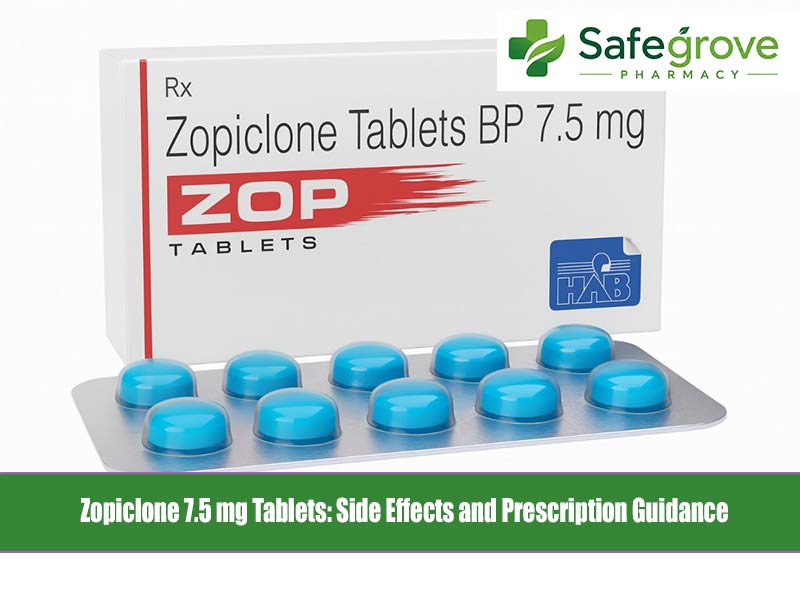
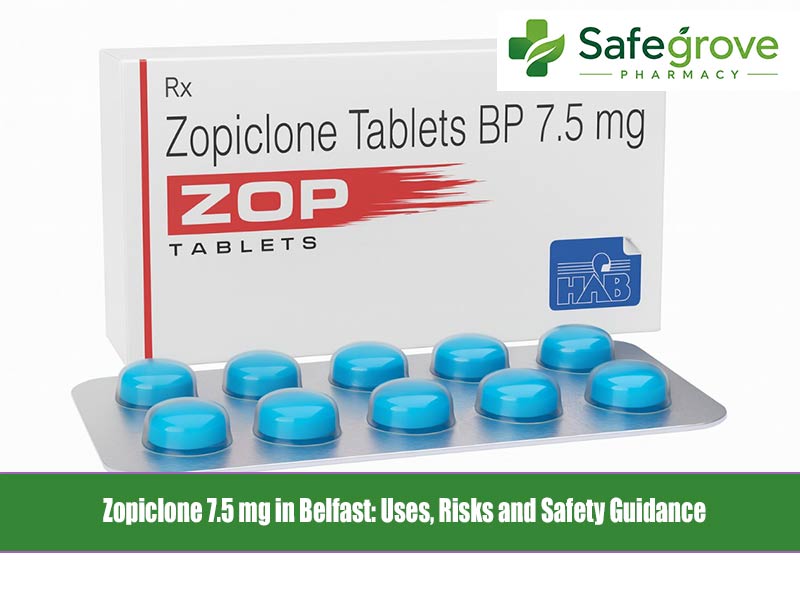
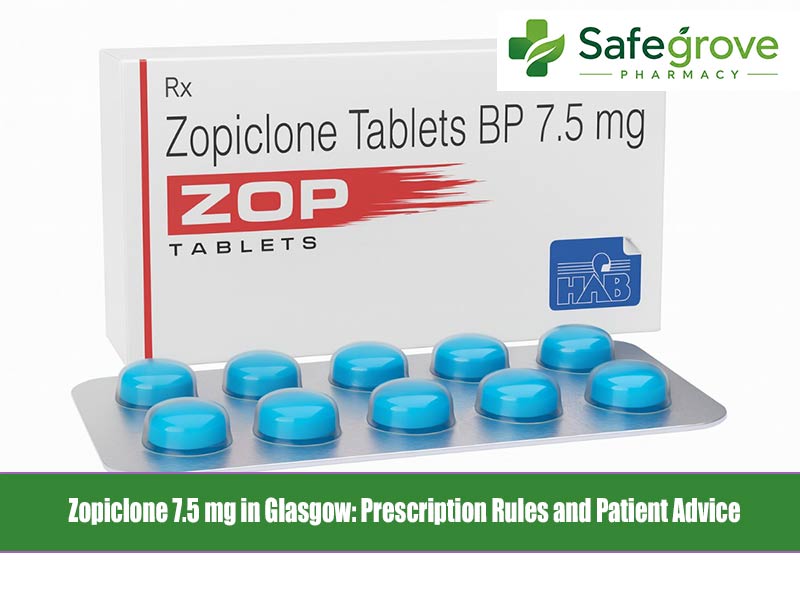
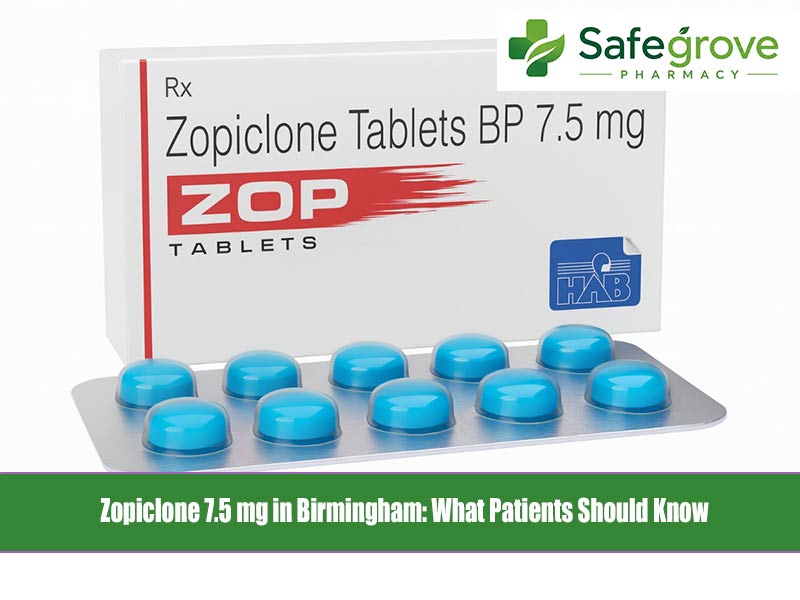
Zopiclone 7.5 mg tablets contain the active ingredient zopiclone and belong to a class of medications called hypnotics—specifically referred to as “Z-drugs”. Although Z-drugs possess a distinct chemical structure compared to older benzodiazepine sedatives like temazepam, they target similar neural pathways to promote sleep.
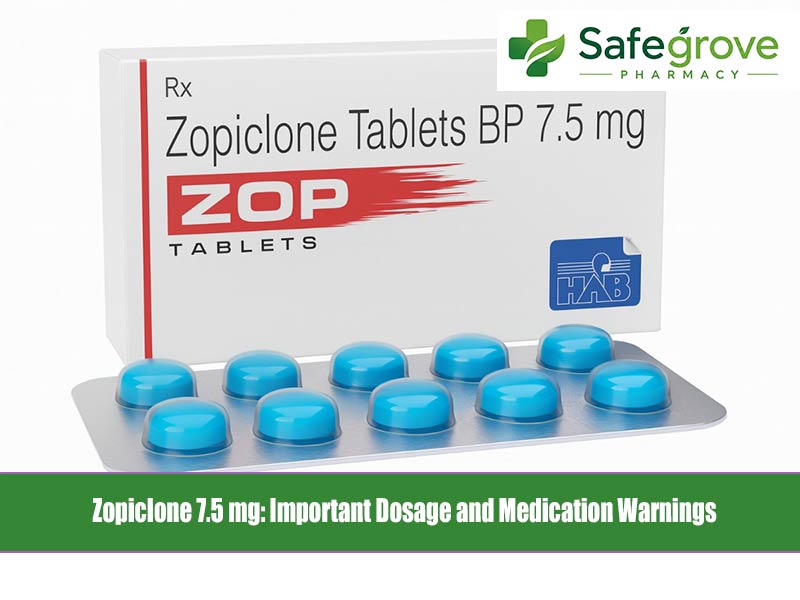
In the UK, zopiclone tablets 7.5mg are manufactured by licensed pharmaceutical companies as generic film-coated tablets, though older brand names like Zimovane appear in historical medical literature. Two primary tablet strengths are licensed across the UK:
-
Zopiclone 3.75 mg tablets: Frequently used as an initial or maintenance dose for older adults or individuals with compromised liver or kidney function.
-
Zopiclone 7.5 mg tablets: The standard adult dose for acute, severe insomnia.
Because zopiclone carries well-documented risks of tolerance and dependence, UK legislation strictly regulates its supply. Legitimate UK pharmacies—whether operating on the high street or as registered online healthcare providers—must verify an authentic prescription before dispensing.
What Is Zopiclone 7.5 mg Used For?
According to NHS guidance and the British National Formulary (BNF), zopiclone 7.5 mg used for the short-term management of severe insomnia in adults aged 18 and over. Doctors generally reserve sleeping tablets for situations where sleep difficulties are debilitating, cause profound daytime distress, and have not responded to non-pharmacological interventions such as sleep hygiene education or Cognitive Behavioural Therapy for Insomnia (CBT-I).
Specifically, 7.5 mg of zopiclone may be prescribed for:
-
Difficulty falling asleep (sleep-onset insomnia): Lying awake for hours despite physical exhaustion.
-
Nighttime awakenings (sleep-maintenance insomnia): Waking frequently throughout the night and struggling to return to sleep.
-
Early-morning waking: Waking prematurely hours before your scheduled alarm.
-
Acute situational insomnia: Severe sleep disruption tied to acute life stressors, grief, or temporary medical crises.
What zopiclone is NOT for: It is not intended for chronic, long-term insomnia or as a standalone treatment for underlying anxiety and depression. Addressing root psychological causes requires dedicated therapeutic support rather than indefinite medication.
To understand how does zopiclone work, it helps to examine the brain’s natural sleep-wake regulation. The central nervous system balances excitatory neurotransmitters (which maintain alertness) with inhibitory calming messengers. The primary inhibitory neurotransmitter in the human brain is gamma-aminobutyric acid (GABA).
When you take a zopiclone 7.5 mg tablet:
-
The active ingredient is absorbed in the digestive tract and enters the bloodstream.
-
Zopiclone binds selectively to GABA-A receptors within the central nervous system.
-
By potentiating the natural inhibitory actions of GABA, zopiclone reduces neural excitability.
-
This calming action quiets racing thoughts, relaxes physical tension, reduces sleep latency, and decreases nighttime waking.
While chemically induced sedation promotes sleep, it does not fully replicate natural sleep architecture over extended periods. This clinical reality underpins official guidelines limiting treatment duration.
Understanding the Patient Information Leaflet (PIL)
Every dispensed pack of zopiclone 7.5 mg tablets includes an official Patient Information Leaflet (PIL) authorized by the MHRA. Patients frequently search online for a zopiclone 7.5 mg PIL or zopiclone 7.5mg PIL to review precautions at home.
Why Leaflet Wording Can Vary
Comparing leaflets from different UK generic manufacturers (such as Aurobindo Pharma or Teva) via the Electronic Medicines Compendium (emc) reveals that core safety warnings remain consistent, though excipients can differ:
-
Inactive ingredients (excipients): Some tablets contain lactose monohydrate, which requires caution for individuals with rare sugar intolerances.
-
Appearance and coatings: Tablet colour, shape, and scoring lines may vary slightly by manufacturer.
-
Safety updates: Regulatory bodies periodically update guidance regarding dependence and complex sleep behaviours, making it vital to read the physical leaflet supplied with your current prescription.
Prescribed Use and Professional Dosing Decisions
Adhering strictly to your prescriber’s instructions is critical for minimizing adverse effects and dependency risks.
Administration Guidelines
-
Timing: Take your tablet immediately before bedtime, once you are ready to settle down for sleep. Never take it early in the evening while active.
-
Swallow whole: Swallow the tablet whole with water. Do not crush or chew film-coated tablets, as this destroys the formulation design and releases an intense bitter taste.
-
Food intake: Zopiclone can be taken with or without food, though heavy meals may delay absorption.
-
Dedicated sleep window: Ensure you can remain in bed for at least 7 to 8 hours of uninterrupted sleep after dosing. Waking prematurely increases the risk of amnesia and severe next-day impairment.
-
Intermittent dosing: Your doctor may advise taking tablets only 2 or 3 nights per week rather than consecutively to reduce tolerance risks.
Never alter your zopiclone dosage independently. Doubling a dose does not improve sleep quality; instead, it sharply increases toxicity risks.
How Long Does Zopiclone Take to Work—and How Long Does It Last?
Patients frequently inquire about how long does zopiclone take to work and how long does zopiclone stay in your system.
Onset and Peak Concentration
Zopiclone typically begins working within 30 to 60 minutes, achieving peak plasma concentration roughly 1.5 to 2 hours post-dose. You must be in a safe resting environment before onset occurs.
Elimination Half-Life and Clearance
-
Half-life: In healthy adults, zopiclone has an elimination half-life of approximately 5 hours.
-
Full clearance: Trace amounts generally clear from the bloodstream within 24 to 30 hours.
-
Vulnerable populations: In adults aged 65 and over or those with impaired liver/kidney function, the half-life extends to 7 hours or more, explaining why lower starting doses are clinically necessary.
Common Side Effects and Possible Serious Reactions
Like all medicines, zopiclone side effects vary among individuals.
Common Side Effects
-
Bitter or metallic taste / dry mouth: The most frequent side effect, caused by excretion of the drug in saliva. Regular sips of water and alcohol-free mouthwashes help alleviate discomfort.
-
Daytime drowsiness: Lingering fatigue if sleep duration was insufficient.
-
Mild dizziness or headache: Occasional light-headedness upon waking.
Serious Reactions Requiring Medical Attention
Contact your GP or NHS 111 promptly if you experience:
-
Memory loss (amnesia): Inability to recall events occurring after taking the tablet.
-
Complex sleep behaviours (parasomnias): Sleepwalking, driving, eating, or making phone calls while asleep without morning recollection. Stop treatment immediately if this occurs.
-
Hallucinations or delusions: Sensory distortions or irrational beliefs.
-
Worsening mood or suicidal ideation: Emerging depressive symptoms or thoughts of self-harm.
Emergency Warning: Call 999 or visit A&E immediately if you experience signs of anaphylaxis (facial swelling, breathing difficulties, wheezing) or severe overdose symptoms.
Alcohol, Driving, and Activities Requiring Alertness
Zopiclone and Alcohol
Never combine alcohol with zopiclone. Both are central nervous system depressants; together, they multiply sedative potency, risking profound coma and fatal respiratory depression.
Driving and the 12-Hour Rule
Zopiclone impairs psychomotor coordination and reaction times. Under UK guidance:
-
Do not drive or operate machinery for at least 12 hours after taking zopiclone.
-
Refrain from driving if you still feel drowsy or uncoordinated after 12 hours. Driving while impaired by prescription medication is illegal in the UK.
Medicine Interactions: What Not to Take with Zopiclone
Understanding what can you not take with zopiclone prevents dangerous compounding side effects.
Always disclose all concurrent medications and supplements to your GP and Zopiclone Direct UK pharmacist.
Dependence, Tolerance, Addiction, and Withdrawal
A pivotal warning across all UK PILs and clinical guidelines is that zopiclone can induce tolerance, physical dependence, and addiction.
-
Tolerance: Continuous nightly use causes GABA receptors to adapt, diminishing effectiveness. Never increase doses independently.
-
Dependence: Regular use beyond 2 to 4 weeks fosters physical and psychological reliance.
-
Withdrawal and Rebound Insomnia: Abrupt cessation after prolonged use triggers rebound insomnia and withdrawal symptoms (anxiety, tremors, sweating, palpitations, and sleep disturbances). Always consult your GP for a gradual dose reduction (tapering) schedule.
Missed Doses and Overdose Management
-
Missed dose: If forgotten at bedtime, skip it entirely. Never take a dose during the night unless a full 7 to 8 hours of sleep remains, and never double up doses.
-
Overdose: Symptoms include deep unresponsiveness, confusion, hypotension, floppy muscles, and shallow breathing. Seek emergency medical assistance immediately by calling 999.
Special Precautions and Vulnerable Patient Groups
-
Older adults (65+): Clear the drug more slowly, facing higher risks of falls and confusion; NICE recommends lower starting doses (3.75 mg).
-
Liver or kidney impairment: Requires reduced dosing due to slower elimination.
-
Pregnancy and breastfeeding: Not recommended during pregnancy and contraindicated during breastfeeding.
Zopiclone 3.75 mg vs. 7.5 mg: Understanding the Difference
-
Zopiclone 3.75 mg: Prescribed for older adults, sensitive patients, or during tapering.
-
Zopiclone 7.5 mg: Standard adult therapeutic dose. Do not split or adjust doses without professional guidance.
Zopiclone vs. Zolpidem: General Differences
Both are Z-drugs, but zolpidem has a shorter half-life (~2.5 hours) primarily targeting sleep onset, whereas zopiclone (~5 hours) assists both sleep onset and maintenance. Switching between them requires clinical evaluation.
Finding Reliable UK Medicine Information
Legitimate UK healthcare navigation relies on verified channels:
-
NHS Medicines A–Z (nhs.uk/medicines/zopiclone)
-
Electronic Medicines Compendium (emc) (medicines.org.uk)
-
British National Formulary (BNF) (bnf.nice.org.uk)
-
MHRA Yellow Card Scheme (yellowcard.mhra.gov.uk)
Remember that zopiclone cannot legally be purchased online without a valid prescription. Always use GPhC-registered pharmacies like Zopiclone Direct UK.
Frequently Asked Questions
1. What are zopiclone 7.5 mg tablets prescribed for in the UK?
Zopiclone 7.5 mg tablets are prescribed in the UK for the short-term management of severe, disabling insomnia in adults aged 18 and over. They assist individuals experiencing severe difficulty falling asleep or staying asleep when non-drug sleep strategies are insufficient.
2. How long does it take for zopiclone 7.5 mg to work?
Zopiclone typically begins acting within 30 to 60 minutes of ingestion. Patients should take the tablet immediately before bed with water and ensure a clear 7-to-8-hour sleep window.
3. How long does zopiclone stay in your system?
In healthy adults, zopiclone has an elimination half-life of approximately 5 hours, with clearance essentially complete within 24 to 30 hours. Clearance is prolonged in older adults or those with organ impairment.
4. Can I consume alcohol while taking zopiclone 7.5 mg?
No. Alcohol must be strictly avoided during zopiclone treatment. Combining alcohol with zopiclone exponentially increases central nervous system depression, risking dangerous respiratory suppression and profound unresponsiveness.
5. Is it safe to drive the morning after taking zopiclone 7.5 mg?
You must not drive, ride a bicycle, or operate machinery for at least 12 hours post-dose. If residual drowsiness or impaired concentration persists after 12 hours, driving remains prohibited under UK law.
6. Are zopiclone 7.5 mg tablets addictive?
Yes, zopiclone carries risks of tolerance, physical dependence, and addiction, particularly when used continuously beyond 2 to 4 weeks or at higher than prescribed doses. Prescribers limit treatment duration to mitigate this risk.
7. What happens if I stop taking zopiclone suddenly?
Stopping zopiclone abruptly after regular use can trigger rebound insomnia (temporary worsening of sleep problems) and withdrawal symptoms such as anxiety, tremors, sweating, and palpitations. Dose reduction should always be managed gradually under medical supervision.
8. Which medicines interact dangerously with zopiclone?
Zopiclone must not be combined with opioid painkillers (such as codeine or tramadol), benzodiazepines, sedating antidepressants, or alcohol without direct medical oversight, as this causes severe respiratory depression and extreme sedation.
9. What is the difference between zopiclone 3.75 mg and 7.5 mg?
Zopiclone 7.5 mg is the standard adult dose, while zopiclone 3.75 mg is a lower strength prescribed for older adults (65+), patients with organ impairment, or those undergoing gradual dose tapering.
10. Can I buy zopiclone 7.5 mg online in the UK without a prescription?
No. Zopiclone is a prescription-only medicine and Schedule 4 Controlled Drug in the UK. It is illegal to purchase zopiclone online without a valid prescription issued after a clinical assessment. Always use accredited, GPhC-registered UK pharmacies.