Lying awake at 3:00 AM watching the clock tick forward—night after night—takes a heavy toll on your physical health, mental clarity, and ability to function at work or home. When sleep deprivation becomes severe and exhausting, many people across the UK turn to their GP to ask about sleeping medication. Among the most widely prescribed options is zopiclone.
Understanding how zopiclone tablets work, which tablet strength fits specific clinical needs, and how UK controlled drug laws govern their supply is essential before starting treatment. Unlike over-the-counter herbal remedies or sedating antihistamines, zopiclone is a potent, regulated medicine designed strictly for short-term relief.
This comprehensive guide breaks down the clinical uses, available tablet strengths (3.75mg and 7.5mg), NHS and private prescription requirements, safety warnings, and UK driving laws surrounding zopiclone.
Zopiclone tablets belong to a class of medicines known as non-benzodiazepine hypnotics, commonly referred to as “Z-drugs” (alongside zolpidem and zaleplon). Although structurally distinct from traditional benzodiazepines such as diazepam or temazepam, zopiclone acts on the central nervous system in a very similar way.
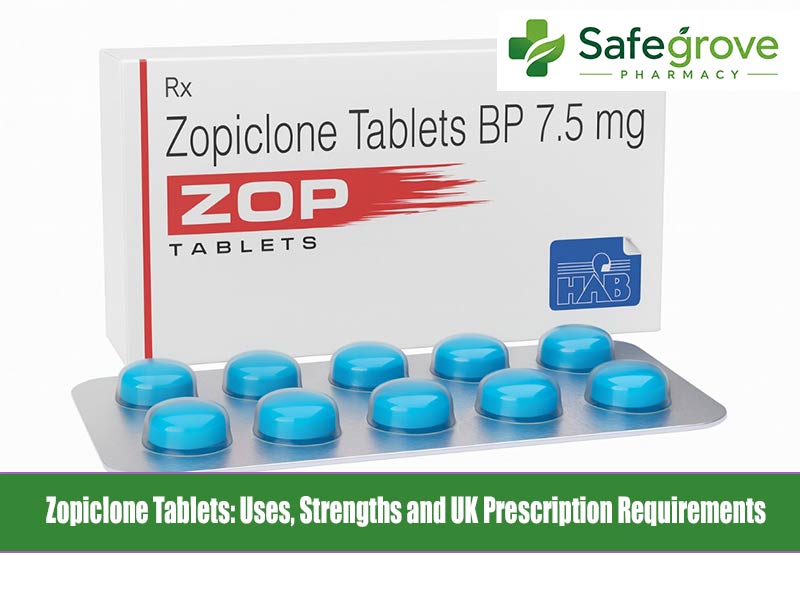
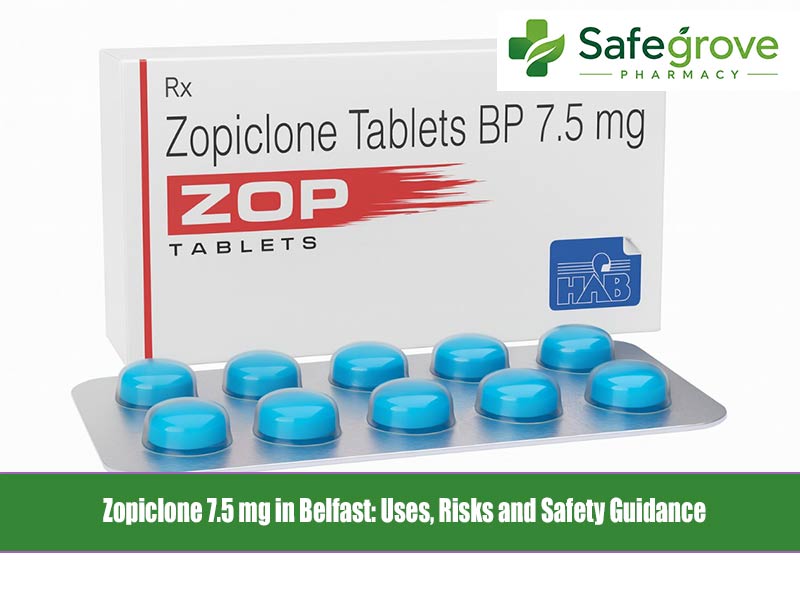
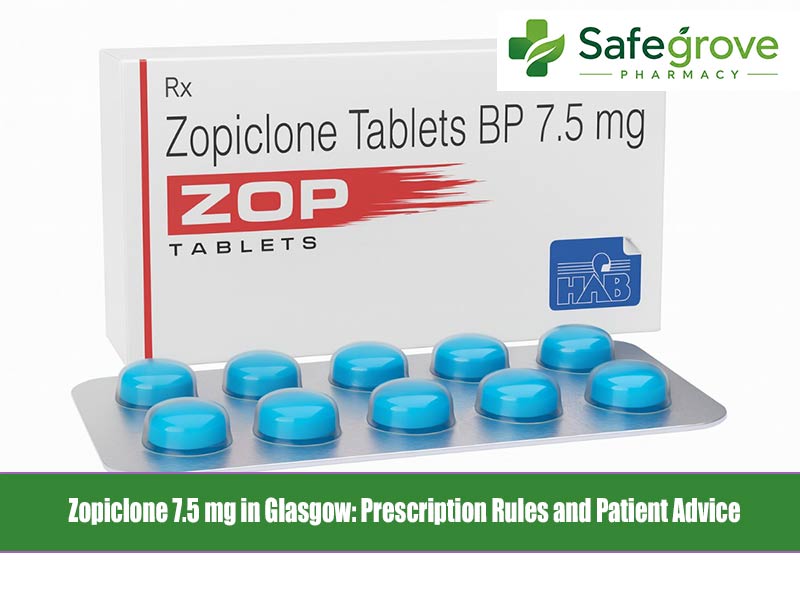
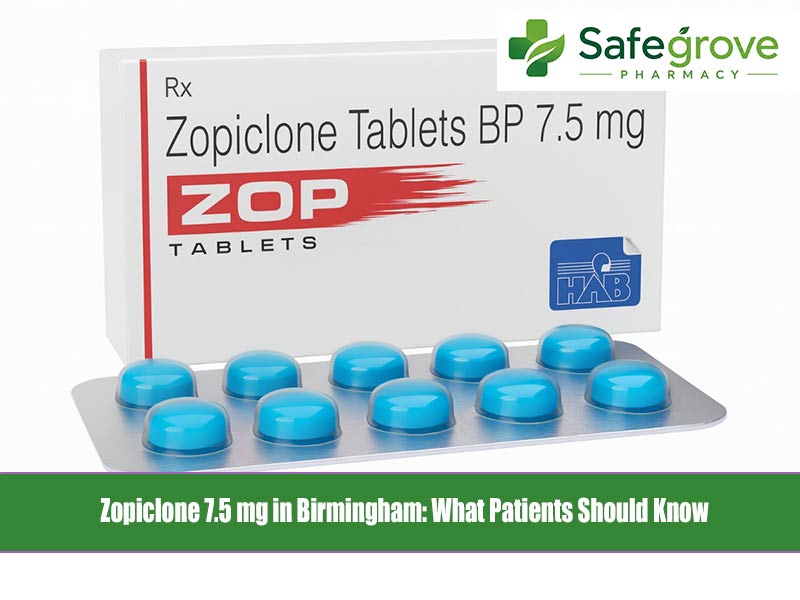
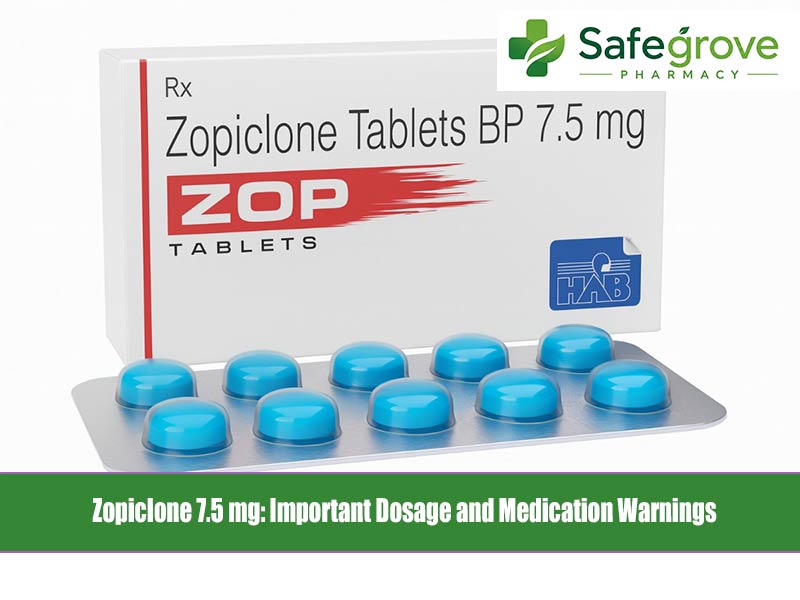
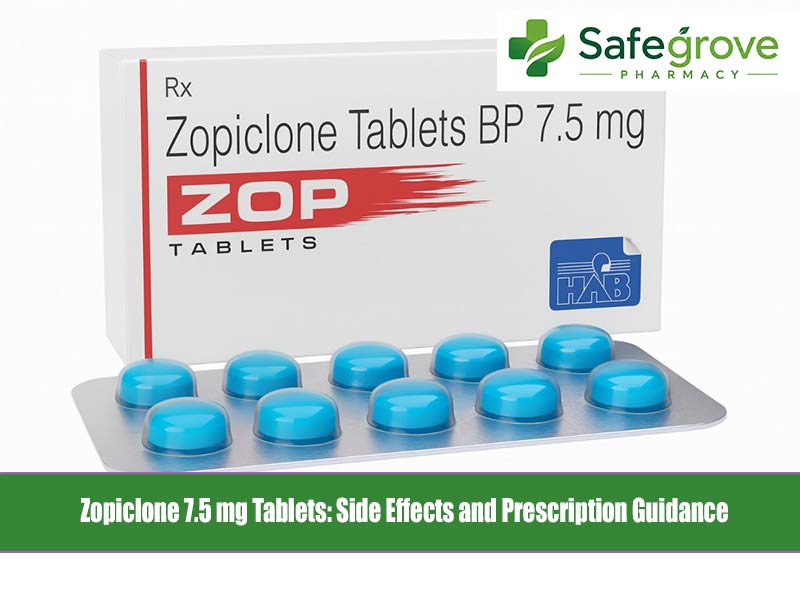
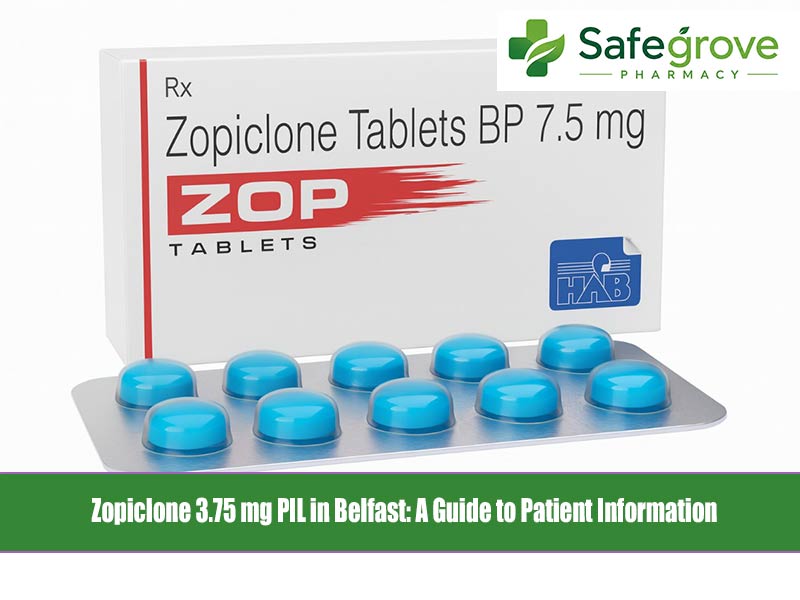
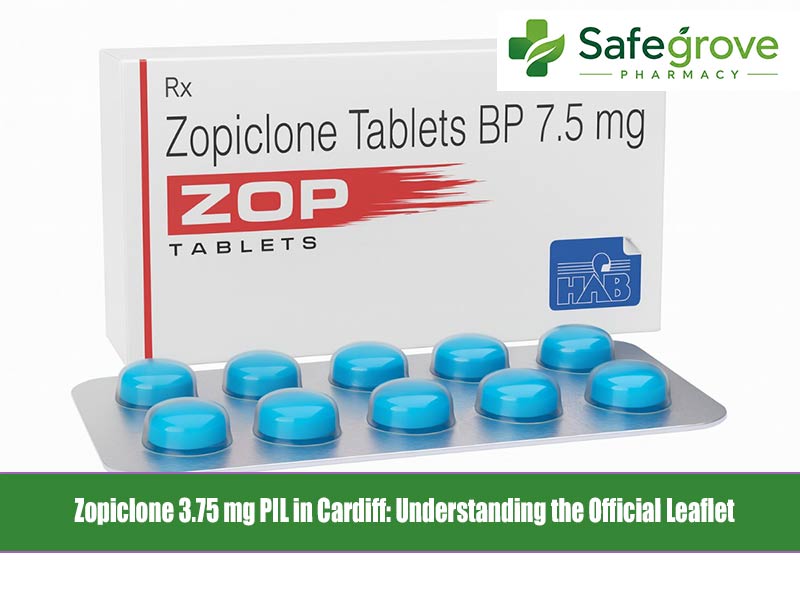
In the UK, zopiclone is prescribed primarily as a generic medicine, though it was originally marketed under the brand name Zimovane. It is formulated as small, white, film-coated oral tablets intended to be swallowed whole right before bedtime.
How Zopiclone Works in the Brain
Zopiclone enhances the activity of gamma-aminobutyric acid (GABA), the brain’s primary inhibitory neurotransmitter. By binding to specific sites on the GABA-A receptor complex, zopiclone calms excessive neural firing, producing three distinct clinical effects:
Faster sleep onset: Reduces sleep latency, helping you fall asleep within 30 to 60 minutes of taking the dose.
Fewer nocturnal awakenings: Decreases the number of times you wake up during the middle of the night.
Improved sleep continuity: Helps maintain uninterrupted rest for approximately 6 to 8 hours without lingering heavy sedation when taken properly.
According to the British National Formulary (BNF), the Electronic Medicines Compendium (emc), and guidelines from the National Institute for Health and Care Excellence (NICE TA77), zopiclone is not a routine cure for occasional restless nights.
Licensed Indications
In the United Kingdom, zopiclone tablets are licensed exclusively for the short-term treatment of severe insomnia. Specifically, a prescriber will only consider zopiclone when sleep disturbance is:
Severe or debilitating: Significantly impairing daytime concentration, mood, or physical safety.
Causing extreme distress: Often triggered by acute life events such as bereavement, severe medical illness, acute trauma, or major situational stress.
Unresponsive to non-drug measures: NICE guidelines recommend trying sleep hygiene improvements and Cognitive Behavioural Therapy for Insomnia (CBT-I) before initiating hypnotic medication.
Why Zopiclone Is Restricted to 2–4 Weeks
Clinical evidence demonstrates that zopiclone loses its sleep-inducing effectiveness rapidly if taken continuously. Tolerance can begin developing within 2 to 3 weeks, meaning the same dose produces weaker results. Extending treatment beyond 4 weeks substantially increases the risk of physical dependence, psychological reliance, and severe rebound insomnia upon stopping. Consequently, UK clinicians typically issue between 7 and 14 tablets per course.
In the UK, zopiclone is manufactured in two standard film-coated tablet strengths: 3.75mg and 7.5mg. Oral liquid formulations exist only as unlicensed “specials” for patients with severe swallowing difficulties, making tablets the universal standard across NHS and private pharmacies.
Patient Group
Recommended Starting Dose
Maximum Daily Dose
Clinical Rationale & BNF Guidance
Healthy Adults (18–64 years)
7.5mg once at bedtime
7.5mg in 24 hours
Standard adult therapeutic dose; some clinicians start at 3.75mg to assess sensitivity.
Older Adults (65+ years)
3.75mg once at bedtime
7.5mg (only if 3.75mg is insufficient and well tolerated)
Slower drug clearance increases risks of next-day confusion, ataxia, falls, and hip fractures.
Liver Impairment (Mild to Moderate)
3.75mg once at bedtime
3.75mg in 24 hours
Zopiclone is metabolised in the liver; reduced clearance causes prolonged sedation. Contraindicated in severe liver failure.
Kidney Impairment
3.75mg once at bedtime
3.75mg–7.5mg (under close review)
Although excreted mainly via urine as inactive metabolites, accumulation can occur in renal insufficiency.
Chronic Respiratory Insufficiency
3.75mg (with extreme caution)
3.75mg
Higher doses can depress respiratory drive during sleep. Contraindicated in severe sleep apnoea or respiratory failure.
Children & Adolescents (Under 18)
Not recommended
N/A
Safety and efficacy have not been established in paediatric patients; MHRA restricts hypnotic use in under-18s.
Practical Administration Rules for Patients
To maximise safety and avoid next-day impairment, follow these evidence-based administration steps:
Take immediately before getting into bed:Zopiclone acts quickly. Taking it while still walking around, cooking, or driving puts you at high risk of falls or memory blackouts.
Ensure a full 7 to 8 hours of uninterrupted sleep: Never take a tablet if you have to wake up within 4 to 6 hours.
Swallow whole with water: Do not crush or chew the film-coated tablet, as doing so releases the bitter active ingredient immediately and worsens the characteristic metallic aftertaste.
Never double-dose or re-dose overnight: If you wake up at 3:00 AM after taking your bedtime tablet, do not take another dose.
UK Prescription Requirements & Controlled Drug Regulations
Can you buy zopiclone over the counter in the UK? No. Zopiclone is a Prescription-Only Medicine (POM) and is legally classified under the Misuse of Drugs Regulations 2001 as a Schedule 4 (Part 1) Controlled Drug and a Class C drug under the Misuse of Drugs Act 1971.
What Schedule 4 (Part 1) Status Means for UK Patients
When the UK Government reclassified zopiclone as a Schedule 4 Controlled Drug in June 2014, strict legal safeguards were introduced to curb misuse and illicit diversion:
28-Day Prescription Validity: Any NHS or private prescription for zopiclone is legally valid for only 28 days from the date signed by the prescriber (compared to 6 months for standard non-controlled medicines). If you do not collect your tablets within 28 days, the pharmacy cannot dispense them.
Strict Quantity Limits: In accordance with Department of Health and BNF best practice, prescribers are advised to limit each prescription to a maximum of 28 days’ supply—and typically only 7 to 14 days for acute insomnia.
No Automatic Repeat Prescriptions: NHS GP surgeries rarely place zopiclone on automatic repeat ordering. Every request requires a clinical review to confirm ongoing need and monitor for dependence.
Possession and Supply Laws: While possessing zopiclone with a valid prescription in your name is completely legal, possessing it without a prescription—or giving/selling your tablets to a friend or family member—is a criminal offence carrying penalties under the Misuse of Drugs Act.
International Travel Rules: If you travel abroad from the UK with zopiclone tablets, keep them in their original dispensed box bearing your name, and carry a copy of your prescription or a GP letter, as customs authorities in several countries treat Z-drugs as restricted narcotics.
Obtaining Zopiclone via NHS vs. Regulated UK Online Pharmacies
NHS GP or Urgent Care: You can book an appointment with your NHS GP, who will evaluate underlying causes of insomnia (such as anxiety, depression, pain, or medication side effects) before deciding if a short course is clinically justified.
Regulated Private Prescribers & Online Pharmacies: Legitimate UK online clinics regulated by the Care Quality Commission (CQC) and registered with the General Pharmaceutical Council (GPhC) can issue private electronic prescriptions following a thorough medical questionnaire or video consultation. Warning: Never purchase zopiclone from unverified websites offering tablets without a prescription—MHRA investigations consistently find counterfeit sleeping pills online containing dangerous doses of bromazolam, fentanyl, or heavy metals.
Side Effects, Contraindications, and Safety Warnings
Like all centrally acting medicines, zopiclone carries side effects ranging from mild nuisance symptoms to serious safety hazards.
Common Side Effects (Affecting up to 1 in 10 People)
Bitter or metallic taste (dysgeusia): The most distinctive side effect of zopiclone, caused by the drug being secreted into saliva. Drinking water or brushing your teeth in the morning helps, though the taste typically persists until the course finishes.
Dry mouth (xerostomia)
Daytime drowsiness, grogginess, or fatigue
Uncommon and Rare Side Effects
Dizziness, lightheadedness, or unsteadiness (ataxia)
Headaches, nausea, or mild stomach upset
Vivid nightmares, agitation, or confusion (more frequent in elderly patients)
Anterograde amnesia: Memory gaps for events occurring shortly after taking the tablet, especially if you do not go straight to sleep.
Complex sleep behaviours: Rarely, patients have engaged in sleepwalking, sleep-driving, preparing food, or making phone calls while not fully awake, with zero memory the next morning. If this occurs, stop zopiclone immediately and contact your doctor.
According to the Patient Information Leaflet (PIL) and BNF, zopiclone is strictly contraindicated if you have:
Myasthenia gravis (a condition causing severe muscle weakness)
Severe respiratory failure or acute breathing difficulties
Severe obstructive sleep apnoea syndrome (zopiclone relaxes airway muscles and suppresses breathing)
Severe liver impairment (hepatic insufficiency)
A history of complex sleep behaviours after taking zopiclone or zolpidem
Pregnancy or breastfeeding: Zopiclone crosses the placenta and passes into breast milk; taking it late in pregnancy can cause neonatal withdrawal or breathing difficulties in newborns.
Dangerous Drug & Alcohol Interactions
Alcohol: Never drink alcohol while taking zopiclone. Combining alcohol with Z-drugs compounds central nervous system depression, drastically raising the risk of coma, severe amnesia, and fatal respiratory arrest.
Opioid Painkillers: The MHRA warns that co-prescribing zopiclone with opioids (such as codeine, tramadol, morphine, or oxycodone) carries a life-threatening risk of profound sedation and respiratory depression.
Other Sedatives: Combining zopiclone with sedating antidepressants (mirtazapine, amitriptyline), antihistamines (promethazine, diphenhydramine), or gabapentinoids (pregabalin, gabapentin) intensifies next-day impairment.
UK Drug-Driving Laws & Zopiclone
Under Section 5A of the Road Traffic Act 1988, it is a criminal offence in England, Scotland, and Wales to drive—or attempt to drive—while impaired by any medication, even if legally prescribed.
Wait at least 12 hours: UK clinical guidance advises waiting at least 12 hours after taking a zopiclone tablet before driving, operating heavy machinery, or working at heights. For example, taking a 7.5mg tablet at 11:00 PM means you should not drive before 11:00 AM the following morning.
Statutory Medical Defence: Unlike benzodiazepines such as diazepam or temazepam, zopiclone does not have a fixed numerical blood threshold in UK drug-driving regulations, but police can still prosecute you for driving while unfit through drugs if you show signs of drowsiness, poor coordination, or lane drifting. Always carry proof of your prescription and never drive if you feel groggy.
If you have taken zopiclone for only a few nights up to two weeks, you can usually stop taking it abruptly without medical complications. However, if you have taken zopiclone tablets daily for more than 2 to 4 weeks, stopping suddenly can trigger withdrawal symptoms.
Common Withdrawal Symptoms
Rebound insomnia: Difficulty sleeping that feels temporarily worse than before you started medication.
Heightened anxiety, restlessness, or irritability.
Tremors, sweating, palpitations, or heightened sensitivity to light and noise.
Recommended Tapering Approach
Never stop long-term zopiclone cold turkey without speaking to your GP or pharmacist. Clinicians typically recommend a gradual dose reduction (tapering)—such as halving your dose from 7.5mg to 3.75mg for 1 to 2 weeks, then taking 3.75mg on alternate nights before stopping completely—alongside structured CBT-I techniques (stimulus control, sleep restriction, and relaxation training) to restore natural sleep architecture.
Frequently Asked Questions
1. What are zopiclone tablets used for in the UK?
Zopiclone tablets are prescription-only sleeping pills used for the short-term relief of severe, debilitating insomnia. UK doctors prescribe them when difficulty falling asleep or staying asleep causes extreme distress or impairs daytime functioning, usually after non-drug measures like sleep hygiene or CBT-I have been tried.
2. What is the difference between 3.75mg and 7.5mg zopiclone tablets?
Both strengths contain the exact same active ingredient, zopiclone, but differ in potency. The 7.5mg tablet is the standard starting dose for healthy adults under 65, whereas the 3.75mg tablet is a half-strength dose prescribed for adults aged 65 and over, people with liver or kidney impairment, or patients sensitive to sedatives.
3. Can I get zopiclone over the counter at a UK pharmacy?
No, zopiclone is not available over the counter in the UK. It is a Prescription-Only Medicine and a Schedule 4 (Part 1) Controlled Drug, meaning you can only obtain it with a valid NHS or private prescription issued by a qualified doctor or independent prescriber.
4. How long does a UK zopiclone prescription stay valid?
Because zopiclone is a Schedule 4 Controlled Drug, a UK prescription is valid for 28 days from the date signed by the prescriber. If you do not present the prescription to a pharmacy within 28 days, it expires and cannot legally be dispensed.
5. How quickly do zopiclone tablets start working?
Zopiclone is absorbed rapidly and typically starts working within 30 to 60 minutes of swallowing the tablet. For this reason, you should take your dose immediately before getting into bed and ensure you have a full 7 to 8 hours available for uninterrupted sleep.
6. Why do zopiclone tablets leave a metallic taste in my mouth?
A bitter or metallic taste (medically known as dysgeusia) is the most common side effect of zopiclone. It occurs because small amounts of the medication and its breakdown products are excreted through your salivary glands. Swallowing the tablet whole without crushing it and sipping water can help reduce the sensation.
7. Is it safe to drive the morning after taking zopiclone?
You must wait at least 12 hours after taking zopiclone before driving or operating machinery, and you should never drive if you still feel drowsy, dizzy, or slow to react. Under UK law, driving while impaired by prescription medication is a criminal offence that can lead to fines, driving bans, or prosecution.
8. Why will my GP only prescribe zopiclone for two weeks?
UK guidelines from NICE and the BNF restrict zopiclone to a maximum of 2 to 4 weeks because your body quickly builds tolerance to its sedative effects. Taking zopiclone beyond four weeks rarely improves sleep quality and significantly increases the risk of physical dependence, memory problems, and withdrawal symptoms.
9. Can I drink alcohol while taking zopiclone tablets?
No, you must completely avoid alcohol while taking zopiclone. Both alcohol and zopiclone depress the central nervous system; combining them dangerously amplifies sedation, increases the risk of sleepwalking or memory blackouts, and can slow your breathing to life-threatening levels.
10. What happens if I stop taking zopiclone suddenly?
If you have taken zopiclone for only a few days to two weeks, you can usually stop without issues. However, stopping abruptly after more than 2 to 4 weeks of regular use can trigger withdrawal symptoms—most notably rebound insomnia, anxiety, sweating, restlessness, and tremors. Always consult your GP to arrange a gradual tapering plan.