Experiencing persistent sleeplessness can severely affect your physical health, mental wellbeing, and day-to-day quality of life. For adults across the United Kingdom grappling with severe, short-term insomnia, a healthcare professional may prescribe Zopiclone to help restore a functional sleep pattern. However, like all potent medications, understanding zopiclone side effects is crucial for safe, responsible usage.
At Zopiclone Direct UK, we are committed to providing evidence-based, patient-friendly guidance aligned with official UK healthcare standards. This comprehensive guide explores what you can expect from your treatment, common and serious reactions, interactions, and clear indicators of when you should seek professional medical advice.
Zopiclone is a non-benzodiazepine central nervous system (CNS) depressant medication, frequently referred to as a “Z-drug”. It works by acting on chemical receptors in the brain (specifically GABA receptors) to slow down brain activity, helping patients fall asleep faster and reduce night waking.
Primary Indication: Short-term management of severe, debilitating insomnia.
Prescription Status: It is a prescription-only medicine (POM) and a Class C controlled substance in the UK.
Duration: Prescriptions are strictly limited to short periods—typically between 2 to 4 weeks—to minimize the likelihood of drug tolerance and physical dependence.
Common Zopiclone Side Effects and Daily Impact
Most individuals tolerate Zopiclone well when used as directed, but mild side effects can occur as the body adjusts to the medication.
Side Effect Category
Specific Symptoms
Typical Daily Impact & Management
Taste Disturbances
Bitter or metallic taste in the mouth.
Reported in more than 1 in 10 patients; can linger into the next day. Managed with good oral hygiene, mints, or water.
Dry Mouth
Reduced saliva production.
Can cause minor throat irritation; sipping water regularly helps alleviate discomfort.
Daytime Drowsiness
Next-day sleepiness, fatigue, or sluggishness.
May affect morning concentration. Avoid driving or operating machinery if affected.
Dizziness & Headaches
Lightheadedness, mild tension headaches.
Usually resolves as the body clears the drug; rise slowly from sitting or lying positions.
Serious Side Effects and Warning Signs: When to Seek Immediate Help
While less common, some adverse reactions require urgent medical intervention. If you or a loved one experience any of the following symptoms while taking Zopiclone, contact your GP, call NHS 111, or seek emergency medical care immediately:
Signs of a Severe Allergic Reaction (Anaphylaxis): Sudden swelling of the face, lips, tongue, or throat; difficulty breathing; or widespread itchy skin rashes.
Complex Sleep Behaviors: Engaging in activities while asleep without full memory afterwards, such as sleepwalking, sleep-driving, preparing and eating food, or making phone calls.
Severe Psychological Changes: Sudden confusion, hallucinations, aggression, agitation, or worsening feelings of depression.
Memory Gaps (Amnesia): Inability to recall events or conversations that took place during the hours following your dose.
Dosage Variations: 3.75 mg vs. 7.5 mg Side Effect Profiles
Zopiclone is manufactured in two primary tablet strengths, tailored to individual patient profiles:
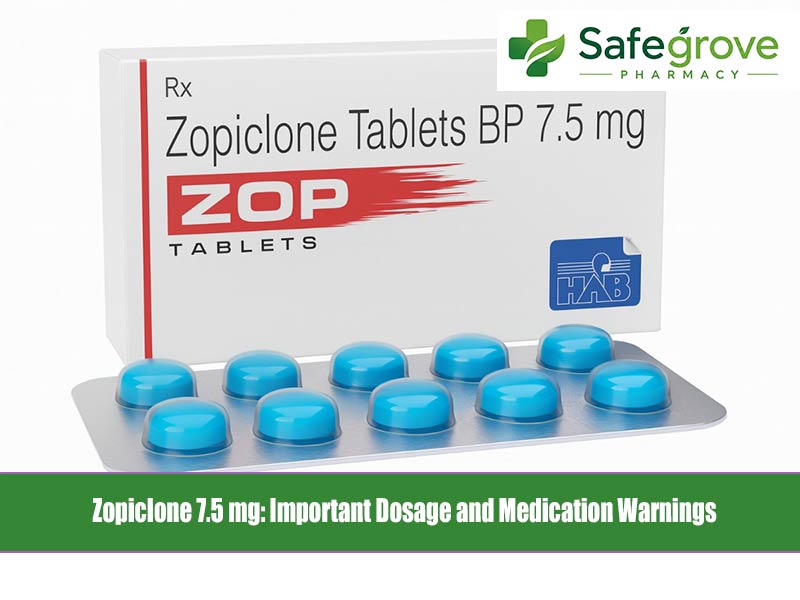
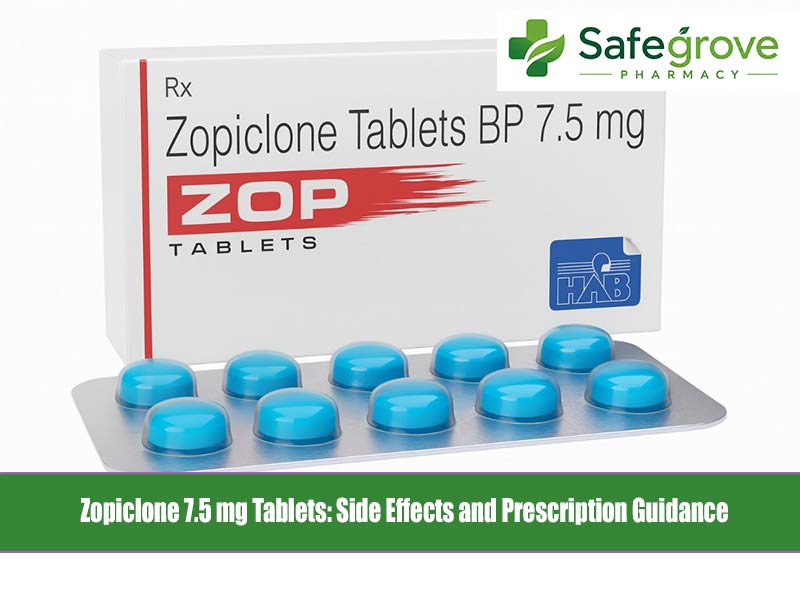
Zopiclone 7.5 mg Side Effects: The standard adult dose. While effective for acute insomnia, it carries a higher probability of next-day hangover effects, grogginess, and dry mouth if the body metabolizes the drug slowly.
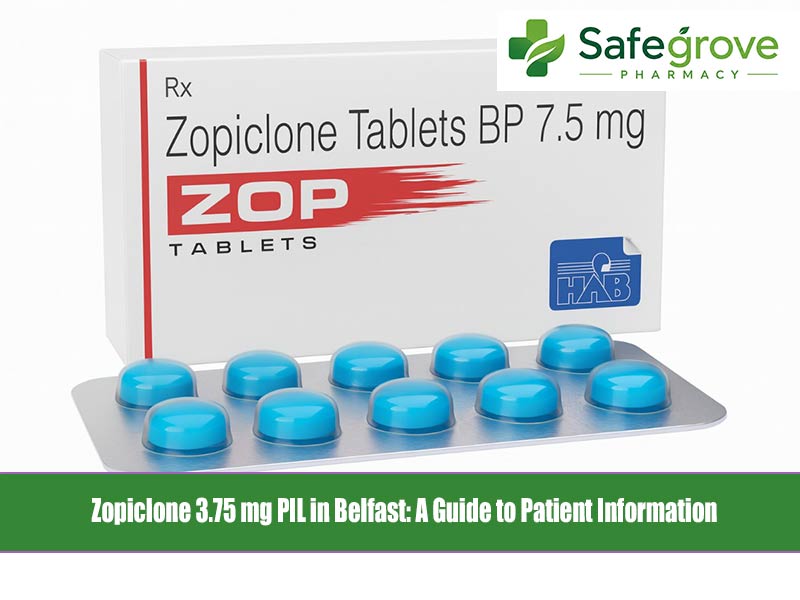
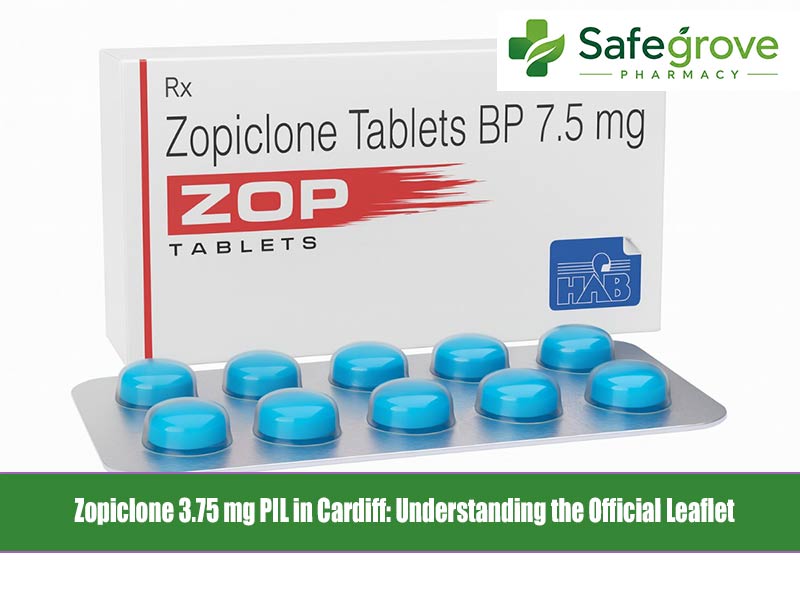
Zopiclone 3.75 mg Side Effects: Typically prescribed for older adults or those with impaired liver or kidney function. Lower doses mitigate excessive over-sedation while still delivering therapeutic sleep support.
Zopiclone Side Effects in Older Adults
Older adults process medications differently, rendering them more sensitive to central nervous system depressants. Consequently, specialized care is required.
Elevated Fall Risk: Next-day drowsiness, dizziness, and nocturnal confusion significantly increase the risk of slips, trips, and severe bone fractures (such as hip fractures) during nighttime bathroom visits.
Cognitive Impact: Greater susceptibility to morning confusion, disorientation, and short-term memory lapses.
Best Practice: Caregivers should ensure bedroom environments are free of obstacles, and consult prescribers regularly to evaluate whether ongoing treatment remains appropriate.
Dangerous Interactions: Alcohol, Driving, and Other Medicines
Never consume alcohol while taking Zopiclone. Alcohol enhances the sedative properties of the medication, compounding central nervous system depression. This combination can induce dangerous respiratory depression (slowed or stopped breathing), deep unresponsiveness, and extreme confusion.
Other Sedatives or Antianxiety Meds (e.g., Diazepam, Amitriptyline): Amplifies extreme daytime fatigue and cognitive fog.
Driving Precautions: Because Zopiclone impairs motor coordination and reaction times, driving, cycling, or operating heavy machinery is strictly prohibited if you feel drowsy or uncoordinated the following day.
Long-Term Risks: Tolerance, Dependence, and Withdrawal
Using Zopiclone beyond the recommended 2 to 4 weeks introduces significant clinical challenges:
Tolerance: The brain adapts rapidly, meaning the medicine gradually loses its ability to induce sleep at the same dosage.
Dependence and Withdrawal: Stopping abruptly after prolonged use can trigger withdrawal symptoms, including severe rebound insomnia, anxiety, sweating, tremors, and accelerated heart rate. Always taper your dose under medical guidance rather than stopping cold turkey.
Addressing Common Queries: Weight Gain, Constipation, and Anxiety
Weight Gain: Zopiclone does not directly alter metabolic processes or cause weight gain. Any weight fluctuations are typically linked to lifestyle shifts or sleep-related fatigue.
Constipation: While mild digestive upset can occur, constipation is not a direct, primary pharmacological side effect of Zopiclone.
Anxiety: Rebound anxiety can sometimes manifest as the medication wears off or during withdrawal phases, rather than being a direct daytime side effect of standard therapeutic use.
Conclusion
Zopiclone is a valuable short-term clinical tool for managing acute insomnia when utilized strictly under professional guidance across the UK. By keeping informed about common side effects, respecting prescription limits, avoiding alcohol, and knowing when to consult a healthcare professional, patients can ensure safe, effective treatment. For personalized advice regarding your prescription, consult your GP or speak directly with our team at Zopiclone Direct UK.
Frequently Asked Questions
1. What are the most common side effects of Zopiclone?
The most frequently reported side effects include a persistent bitter or metallic taste in the mouth, dry mouth, daytime drowsiness, and mild dizziness.
Yes. Because the body processes the medication overnight, residual sedation can linger into the following morning, impacting alertness and driving safety.
3. Is it safe to drink alcohol while taking Zopiclone?
No. Combining alcohol with Zopiclone severely increases the risk of excessive sedation, dangerous breathing difficulties, and memory blackouts.
4. Why is Zopiclone only prescribed for short periods?
UK guidelines limit Zopiclone prescriptions to 2 to 4 weeks to prevent the development of drug tolerance, psychological dependence, and difficult withdrawal symptoms.
5. What should I do if I experience a bitter taste?
A metallic or bitter taste is very common. Rinsing your mouth, maintaining rigorous oral hygiene, chewing sugar-free gum, or drinking water can help reduce the sensation.
6. Why is a lower dose (3.75 mg) recommended for older adults?
Older adults clear medications more slowly. A reduced dose helps prevent excessive next-day sedation, confusion, and accidental falls.
7. Can Zopiclone cause memory loss?
Yes, high doses or sudden awakenings shortly after taking the tablet can cause temporary memory gaps (anterograde amnesia) regarding events that occurred during that period.
8. What are the signs of a serious allergic reaction?
Seek immediate emergency medical help if you develop facial swelling, severe skin rashes, or sudden breathing difficulties after taking Zopiclone.
9. Can I drive the morning after taking Zopiclone?
You should only drive or operate machinery if you are fully awake, alert, and certain your reaction times are not impaired by lingering drowsiness.
10. When should I contact my GP about my side effects?
Consult your GP if mild side effects persist, worsen, or if you experience unusual mood changes, complex sleep behaviors, or breathing difficulties.