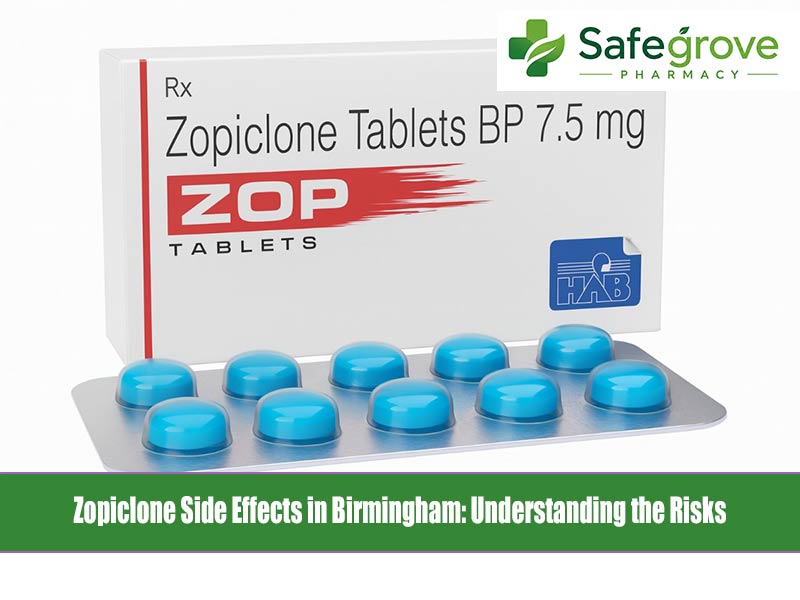
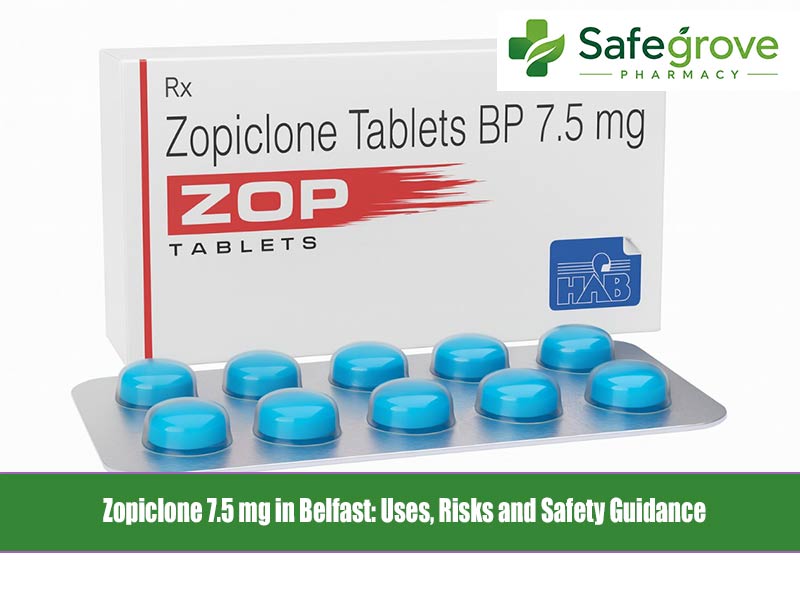
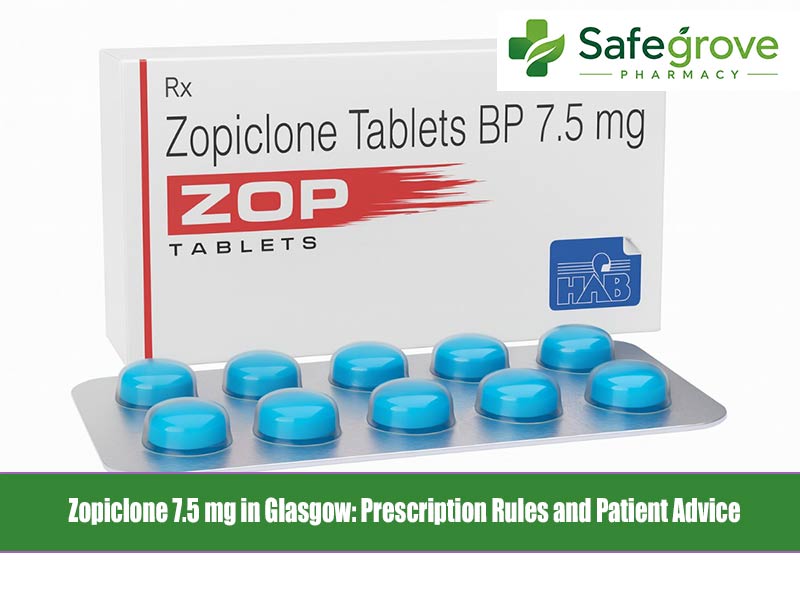
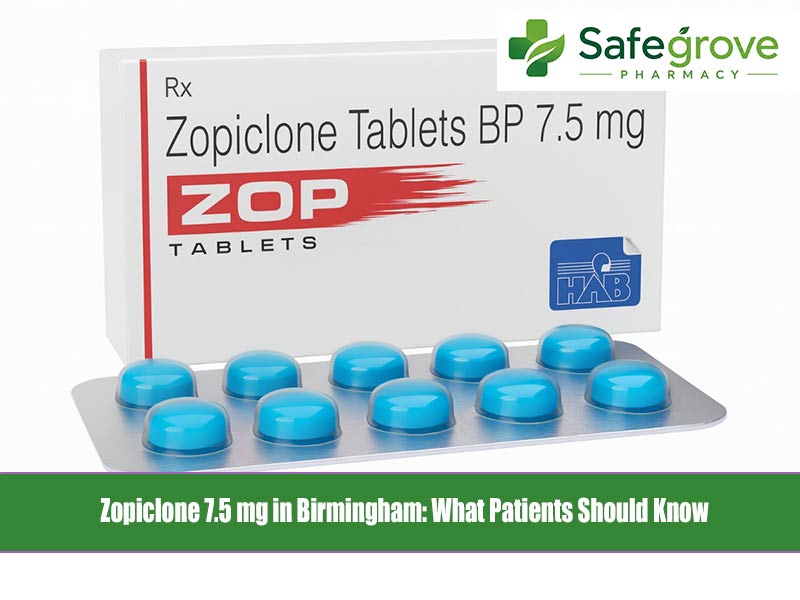
Dealing with acute, debilitating insomnia can take a severe toll on your physical health, mental focus, and overall well-being. For adults in Birmingham and across the UK experiencing short-term sleep disruption, healthcare professionals may occasionally prescribe Zopiclone to help restore normal rest patterns. However, as with any potent prescription medication, understanding potential zopiclone side effects, dosage parameters, and safety measures is vital for safe and effective use.
At Zopiclone Direct UK, we uphold rigorous UK clinical standards and evidence-based pharmacy practices to help patients navigate their medication safely. This comprehensive guide outlines common and serious side effects, drug interactions, long-term implications, and key safety considerations.
What Is Zopiclone and Why Is It Prescribed?
Zopiclone is a non-benzodiazepine hypnotic agent belonging to the class of medications commonly known as “Z-drugs.” It interacts with gamma-aminobutyric acid (GABA) receptors in the brain to reduce neural overactivity and induce sleep quickly.
-
Primary Indication: Short-term management of acute, severe insomnia in adults.
-
Prescription Status: Classified as a Prescription-Only Medicine (POM) and a Class C controlled substance under UK law.
-
Duration Limits: NHS guidelines mandate that Zopiclone is prescribed strictly for short durations—typically 2 to 4 weeks—to prevent tolerance and physical dependency.
Common Zopiclone Side Effects and Daily Management
Most side effects are mild, temporary, and tend to resolve as your body adjusts to the medication.
| Side Effect |
Clinical Presentation |
Practical Management |
| Bitter or Metallic Taste |
A persistent bitter or metallic taste in the mouth (reported by >10% of users). |
Maintain good oral hygiene, drink water regularly, or chew sugar-free gum. |
| Dry Mouth |
Reduced saliva production overnight. |
Keep water by your bedside and stay hydrated throughout the day. |
| Daytime Drowsiness |
Sluggishness, tiredness, or morning grogginess. |
Take your dose immediately before bedtime; ensure 7 to 8 hours of sleep. |
| Dizziness & Headaches |
Lightheadedness or mild morning tension headaches. |
Rise slowly from sitting or lying down; avoid sudden movements. |
Serious Warning Signs: When to Seek Immediate NHS Medical Attention
While severe adverse reactions are uncommon, patients in Birmingham and the wider UK must recognize critical warning signs. Contact your GP, call NHS 111, or seek urgent emergency medical care immediately if you experience:
-
Severe Allergic Reaction (Anaphylaxis): Sudden swelling of the face, lips, tongue, or throat; skin rash; or severe difficulty breathing.
-
Complex Sleep Behaviors: Performing activities while not fully awake with no memory afterward—such as sleepwalking, sleep-driving, or preparing food.
-
Psychiatric Disturbances: Unexplained aggression, severe agitation, hallucinations, paranoia, or worsening depressive thoughts.
-
Anterograde Amnesia: Inability to recall events or conversations that took place during the hours after taking the tablet.
Dosage Strengths: Zopiclone 3.75 mg vs 7.5 mg Side Effect Profiles
Zopiclone tablets are manufactured in two standard strengths to fit individual patient needs:
-
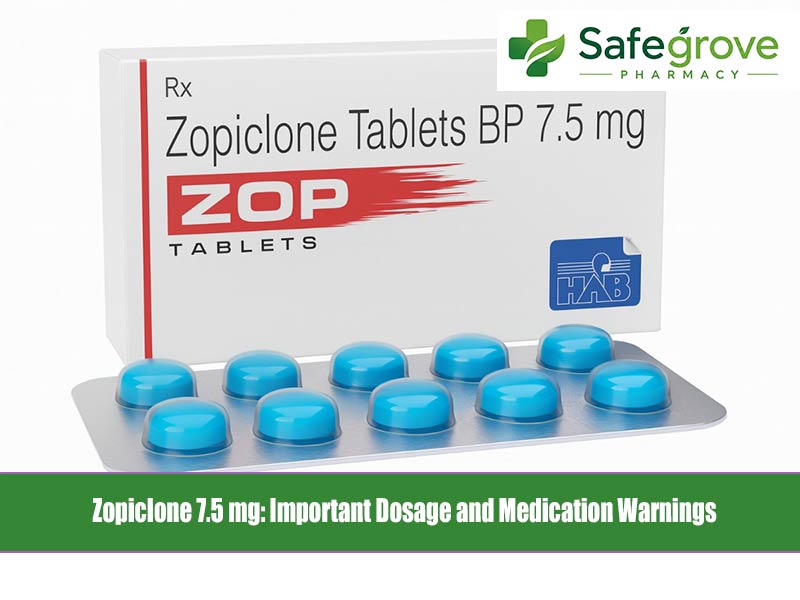
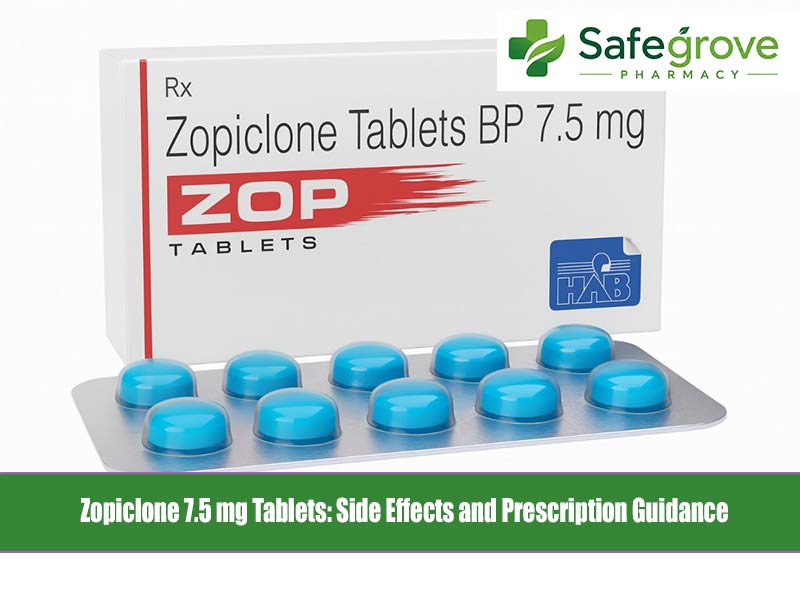
Zopiclone 7.5 mg Side Effects: The standard starting dose for healthy adults. Higher strengths increase the probability of residual next-day drowsiness and dry mouth.
-
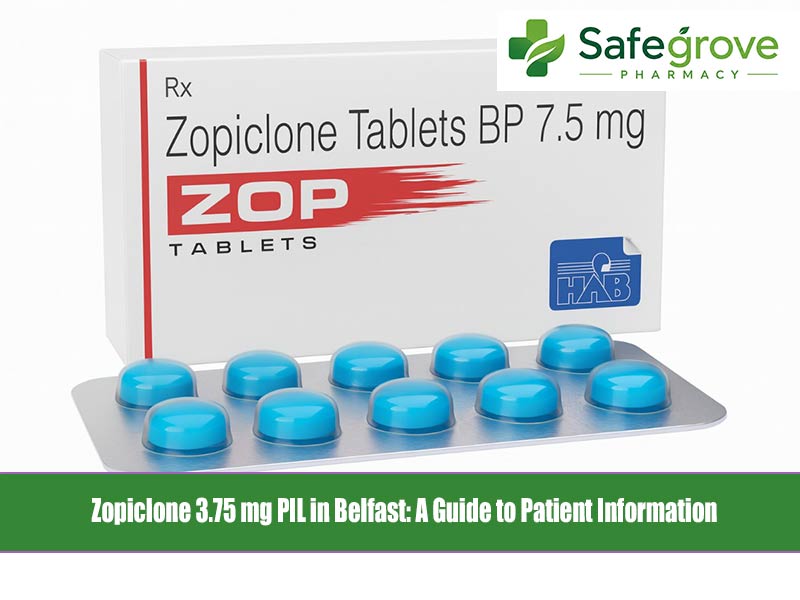
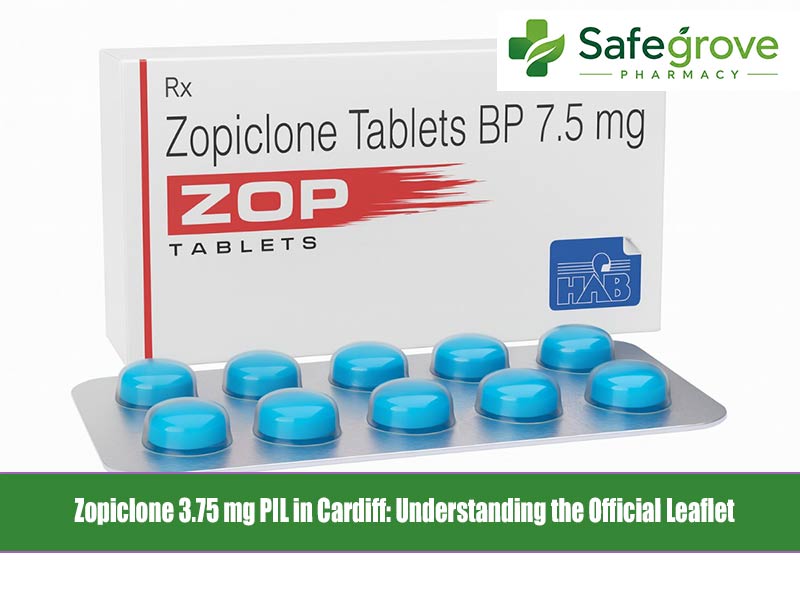
Zopiclone 3.75 mg Side Effects: The recommended starting dose for older adults (aged 65 and older) or individuals with impaired liver or kidney function. A lower dose minimizes the risk of excessive cumulative sedation and unsteadiness.
Zopiclone Side Effects in Older Adults: Fall and Confusion Risks
Older individuals metabolize medications more slowly, rendering them significantly more vulnerable to central nervous system depressants.
-
Increased Fall Risk: Next-day dizziness, motor unsteadiness (ataxia), and nighttime confusion greatly elevate the risk of slips, falls, and severe fractures (such as hip fractures).
-
Cognitive Vulnerability: Heightened susceptibility to morning confusion, disorientation, and memory lapses.
-
Safety Precautions: Caregivers should ensure that bedroom and hallway pathways are well-lit and free of obstacles.
Dangerous Interactions: Alcohol, Driving, and Other Medicines
Combining Zopiclone with alcohol or other central nervous system depressants can lead to hazardous compounding effects.
Zopiclone and Alcohol
Do not consume alcohol while taking Zopiclone. Alcohol magnifies the drug’s sedative potency, dramatically increasing the risk of severe respiratory depression (slowed or stopped breathing), deep unresponsiveness, and extreme confusion.
Key Drug Interactions
-
Opioid Painkillers (e.g., Codeine, Morphine): Combined use substantially raises the risk of dangerous respiratory depression and profound sedation.
-
Sedating Antidepressants & Anxiolytics (e.g., Amitriptyline, Diazepam): Amplifies central nervous system depression and next-day grogginess.
-
Driving and Operating Machinery: It is illegal in the UK to drive if your driving ability is impaired by prescribed medication. Do not drive or operate machinery the morning after taking Zopiclone if you feel drowsy, dizzy, or uncoordinated.
Long-Term Risks: Tolerance, Dependence, and Withdrawal
Using Zopiclone beyond the recommended 2-to-4-week timeframe introduces significant clinical challenges.
-
Tolerance: The brain adapts rapidly, meaning the medication gradually loses its effectiveness at the same dosage.
-
Dependence and Addiction: Physical and psychological reliance can develop with extended use.
-
Withdrawal Symptoms: Stopping Zopiclone abruptly after prolonged use can trigger severe rebound insomnia, heightened anxiety, tremors, sweating, and heart palpitations. Always consult your GP to establish a gradual tapering schedule.
Addressing Common Patient Myths: Weight, Constipation, and Anxiety
-
Weight Gain: Reliable medical evidence does not show that Zopiclone directly causes metabolic weight gain. Any weight fluctuations are typically linked to lifestyle changes or fatigue.
-
Constipation: While mild digestive upset can occur, constipation is not recognized as a direct primary pharmacological side effect.
-
Anxiety: While prescribed to assist with rest, rebound anxiety can occasionally manifest as the medication wears off or during withdrawal phases.
Conclusion
Zopiclone is a valuable short-term clinical tool for managing acute insomnia when utilized strictly under professional NHS guidance. By understanding common side effects, recognizing serious red-flag warnings, avoiding alcohol, and seeking medical advice when necessary, patients in Birmingham can ensure safe treatment.
For personalized guidance regarding your prescriptions or managing side effects, contact the team at Zopiclone Direct UK or consult your prescribing GP.
Frequently Asked Questions
1. What are the most common side effects of Zopiclone?
The most frequently reported side effects include a persistent bitter or metallic taste in the mouth, dry mouth, daytime drowsiness, and lightheadedness or dizziness.
2. How long do Zopiclone side effects last?
Mild side effects such as morning grogginess typically wear off within a few hours of waking up as the body metabolizes and clears the medication.
3. Can I drink alcohol while taking Zopiclone?
No. Alcohol dangerously amplifies the drug’s sedative properties, significantly increasing the risk of severe drowsiness, respiratory depression, and memory blackouts.
4. Is it safe to drive the morning after taking Zopiclone?
Only if you feel fully awake, alert, and un-impaired. Driving while impaired by prescription sleeping tablets is illegal in the UK.
5. Why is Zopiclone only prescribed for up to 4 weeks in the UK?
NHS guidelines restrict prescriptions to 2 to 4 weeks to prevent drug tolerance, physical dependence, and difficult withdrawal symptoms.
6. What should I do if I experience a bitter metallic taste?
A bitter taste is very common. Rinsing your mouth, maintaining rigorous oral hygiene, or chewing sugar-free gum can help alleviate the sensation.
7. Why do older adults receive a lower 3.75 mg dose?
Older adults process medications more slowly. A lower dose reduces the risk of excessive next-day sedation, confusion, and accidental nighttime falls.
8. Does Zopiclone interact with painkillers like Codeine?
Yes. Taking Zopiclone alongside opioid painkillers drastically increases the risk of severe central nervous system depression and breathing difficulties.
9. Can stopping Zopiclone suddenly cause withdrawal symptoms?
Yes. Abrupt cessation after regular use can trigger withdrawal symptoms such as rebound insomnia, sweating, tremors, and anxiety. Always taper down under medical supervision.
10. Does Zopiclone cause weight gain?
No. Medical evidence does not support direct weight gain from Zopiclone. Any weight changes are generally attributed to secondary lifestyle or activity shifts.