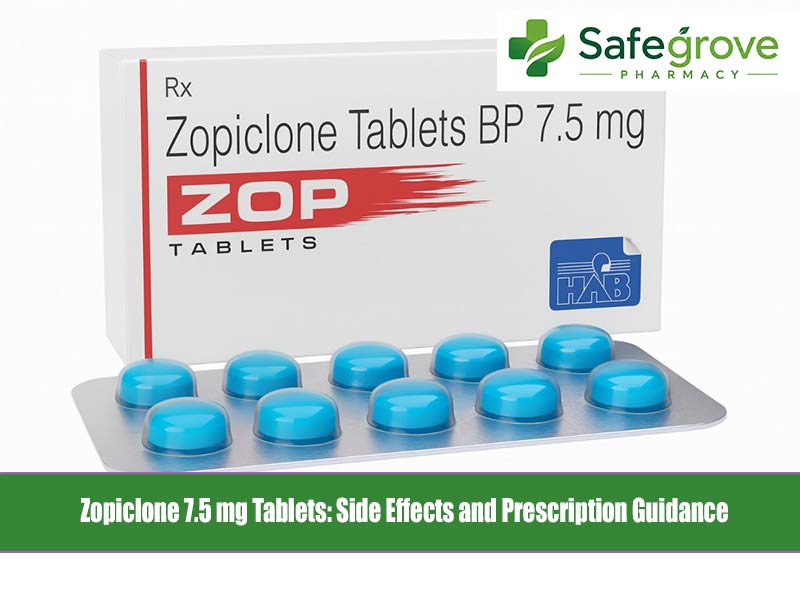
Struggling with persistent sleep disruption can affect every area of your life, from daytime concentration to emotional well-being. For adults in Leeds and across the UK facing acute insomnia, doctors often prescribe zopiclone—a non-benzodiazepine hypnotic agent designed to help you fall asleep faster and stay asleep throughout the night.
While zopiclone can provide short-term relief, understanding zopiclone side effects is essential for managing your health safely. Whether you have just received a prescription for Zopiclone 7.5 mg or Zopiclone 3.75 mg, or you are caring for an elderly relative in West Yorkshire taking sleeping tablets, staying informed helps you minimize risks, recognize warning signs early, and make educated decisions alongside your GP or pharmacist.
This guide from Zopiclone Direct UK covers common reactions, serious medical warning signs, drug interactions, long-term risks, and safety considerations for patients across the UK.
Zopiclone belongs to a class of medicines known as “Z-drugs”. It is a prescription-only Central Nervous System (CNS) depressant that works by enhancing the activity of gamma-aminobutyric acid (GABA), a tranquilizing neurotransmitter in the brain. By boosting GABA signal transmission, zopiclone calms brain activity, reduces the time it takes to fall asleep, and decreases nighttime awakenings.
Standard NHS Dosages in the UK
Zopiclone 7.5 mg: The standard prescribed dose for most healthy adults.
Zopiclone 3.75 mg: A lower starting dose recommended for older adults (aged 65+), individuals with kidney or liver impairment, or patients with mild respiratory failure.
NHS Safety Note: Zopiclone is intended strictly for short-term treatment of severe insomnia—typically prescribed for 1 to 2 weeks, and rarely exceeding 4 weeks. Using zopiclone beyond 4 weeks significantly increases the risk of physical tolerance and psychological dependence.
Common Zopiclone Side Effects
Most people experience mild side effects when starting zopiclone, which often lessen as the body adjusts. However, because the medication remains active in your system overnight, certain effects can spill over into the next day.
1. Metallic or Bitter Taste
The most reported side effect of zopiclone is a distinct bitter or metallic taste in the mouth (dysgeusia). This occurs because zopiclone is partially excreted into the saliva as it processes through your body.
Management Tip: Sip water, chew sugar-free gum, or brush your teeth shortly after waking up.
2. Dry Mouth (Xerostomia)
A reduced flow of saliva can lead to a dry, parched feeling in the throat and mouth.
Management Tip: Maintain good oral hydration during the day. Chronic dry mouth can increase the long-term risk of dental decay, so regular brushing and dental check-ups are recommended.
3. Daytime Drowsiness & Next-Day Sleepiness
Because zopiclone depresses the central nervous system, residual sedation can linger into the following morning, making you feel dazed, tired, or sluggish.
Driving & Machinery: NHS guidance specifies that you must not drive, ride a bicycle, or operate heavy machinery for at least 12 hours after taking zopiclone. If you feel sleepy, dazed, or less alert the next day, refrain from driving until full alertness returns.
Summary of Common Reactions
Side Effect
Frequency
Typical Duration
Action Required
Bitter/Metallic Taste
Very Common (>1 in 10)
Temporary (Morning)
Mouth hygiene, sugar-free gum
Dry Mouth
Common (1 in 10 to 1 in 100)
Morning/Daytime
Hydration, oral care
Daytime Grogginess
Common (1 in 10 to 1 in 100)
First 12 hours
Avoid driving or operating machinery
Lightheadness / Dizziness
Uncommon
Brief upon standing
Rise slowly from sitting/lying positions
Nausea or Headache
Uncommon
Mild / Temporary
Monitor; discuss with a pharmacist if persistent
Serious Side Effects & Medical Warning Signs
Although serious adverse reactions are relatively uncommon, they require immediate attention. If you or someone you are caring for experiences any of the following symptoms, seek urgent medical advice.
1. Complex Sleep Behaviours (Parasomnia)
Zopiclone can cause individuals to perform activities while not fully awake. These behaviours occur with complete or partial amnesia (memory loss) of the event the following morning.
Sleepwalking
Preparing or eating food while asleep
Making phone calls or sending messages
Sleep-driving
If sleepwalking or complex sleep behaviours occur, stop taking the medication and contact your GP immediately.
2. Severe Allergic Reactions (Anaphylaxis)
A severe allergic reaction to zopiclone is a medical emergency. Call 999 or visit A&E immediately if you notice:
Swelling of the lips, face, tongue, or throat
Severe difficulty breathing or swallowing
Widespread skin rash, hives, or severe itching
3. Psychiatric & Paradoxical Reactions
In some instances, zopiclone can trigger unexpected mental state shifts, particularly in higher doses or in sensitive individuals:
Hallucinations: Seeing or hearing things that are not present.
Delusions or Paranoia: Holding beliefs unsupported by reality.
Agitation, Aggression, or Restlessness: Experiencing heightened irritability rather than sedation.
Depressed Mood & Suicidal Thoughts: Unexplained low mood, feelings of despair, or thoughts of self-harm.
If you experience mood changes or suicidal thoughts, contact your doctor or NHS 111 promptly.
Zopiclone Side Effects in Older Adults & Fall Risks
Older adults (aged 65 and over) process zopiclone more slowly due to age-related changes in liver and kidney clearance. As a result, the active drug remains in the bloodstream longer, magnifying its sedative and muscle-relaxant properties.
Key Risks for Elderly Patients:
Unsteadiness & Muscle Weakness (Ataxia): Reduced motor coordination and floppy muscles make walking or standing unsteady.
Elevated Fall Risk: Nighttime trips to the bathroom become hazardous, frequently leading to falls, soft tissue injuries, or bone fractures.
Confusion & Amnesia: Sudden disorientation, morning memory gaps, or night wandering.
Safety Advice for Caregivers in Leeds:
Ensure the lower dose of Zopiclone 3.75 mg is prescribed.
Clear trip hazards (rugs, loose cables) from pathways between the bed and bathroom.
Install low-level nightlights to guide nighttime movements.
Request a periodic medication review from your GP or local community pharmacist.
No. Current UK clinical evidence and patient guidance confirm that zopiclone does not directly cause weight gain or metabolic alterations. If you experience changes in body weight while taking zopiclone, it is likely attributable to secondary lifestyle factors (such as daytime fatigue reducing physical activity or nighttime sleep-eating episodes).
Does Zopiclone Cause Constipation?
Constipation is not listed as a direct primary side effect of zopiclone. However, general gastrointestinal symptoms such as mild indigestion, nausea, or dry mouth can occur. Reduced physical activity due to daytime drowsiness or reduced fluid intake can indirectly affect bowel regularity.
Does Zopiclone Cause Anxiety?
While zopiclone acts as a sedative to reduce anxiety at night, it can occasionally trigger anxiety under two specific circumstances:
Paradoxical Agitation: A rare initial reaction where the drug produces restlessness or panic instead of calmness.
Rebound Anxiety & Withdrawal: When stopping zopiclone abruptly after continuous use, patients often experience temporary surges in anxiety, shakiness, and panic attacks.
Important Drug & Alcohol Interactions
Combining zopiclone with other CNS depressants or specific medications can produce dangerous additive effects.
1. Zopiclone and Alcohol
Do not consume alcohol while taking zopiclone. Alcohol significantly intensifies zopiclone’s sedative properties. Combining the two can lead to:
Extreme drowsiness and deep sedation from which it is difficult to wake
Severe drop in blood pressure and impaired breathing (respiratory depression)
Increased likelihood of sleepwalking, memory blackouts, and falls
2. Key Prescription Medication Interactions
Always inform your doctor or pharmacist if you are taking any of the following:
Sedating Painkillers (e.g., Codeine, Tramadol, Morphine): Co-administration increases the risk of severe respiratory depression, profound sedation, and coma.
Tricyclic Antidepressants (e.g., Amitriptyline): Combined use enhances daytime drowsiness, dry mouth, and cognitive impairment.
Antihistamines (e.g., Chlorphenamine, Promethazine): OTC sleep aids or allergy treatments can compound next-day sedation.
CYP3A4 Inhibitors/Inducers (e.g., Erythromycin, Ketoconazole, Rifampicin): Certain antibiotics and antifungals alter how quickly your liver breaks down zopiclone, increasing side effects or lowering efficacy.
Long-Term Risks: Tolerance, Dependence, and Withdrawal
Zopiclone is licensed strictly for short-term management of severe acute insomnia (2 to 4 weeks maximum). Prolonged use carries significant physiological and psychological risks.
The Progression of Prolonged Zopiclone Use: Short-Term Prescribed Use (1-2 Weeks) -> Continued Use (>4 Weeks) leading to Risk of Tolerance (Reduced Efficacy) -> Physical Dependence leading to Risk of Withdrawal / Rebound Insomnia on Abrupt Cessation.
1. Tolerance
With continued daily use beyond two weeks, your brain adapts to the presence of the drug. As tolerance develops, standard doses become less effective at inducing sleep, tempting patients to increase their dosage without medical approval.
2. Dependence & Addiction
Physical and psychological dependence can develop rapidly. You may feel unable to sleep without taking the tablet, experiencing intense cravings or anxiety at bedtime.
3. Withdrawal Symptoms & Rebound Insomnia
Never stop taking zopiclone abruptly if you have used it for more than a few weeks. Sudden discontinuation can precipitate withdrawal symptoms, including:
Rebound Insomnia: Sleep quality becomes temporarily worse than before starting treatment.
Severe anxiety, tremor, sweating, and rapid heart rate (palpitations).
Muscle aches, headache, and hypersensitivity to light or sound.
In severe cases, confusion, delirium, or seizures.
If you wish to discontinue zopiclone, consult your GP or pharmacist to design a gradual dose-tapering plan.
Taking more than the prescribed dose of zopiclone—or combining it with alcohol or other central nervous system depressants—can lead to an accidental overdose.
Symptoms of Zopiclone Overdose:
Extreme drowsiness, lethargy, or inability to stay conscious
Severe muscle weakness and loss of balance (floppy muscles)
Dizziness, lightheadedness, or faintness due to abnormally low blood pressure
Slow, shallow, or difficult breathing (respiratory depression)
Coma
EMERGENCY ACTION: If you suspect a zopiclone overdose, call 999 immediately or take the person to the nearest hospital emergency department (A&E). Take the medication packaging or Patient Information Leaflet (PIL) with you so healthcare providers can identify the substance.
Frequently Asked Questions
1. What are the most common zopiclone side effects?
The most frequently reported side effects are a bitter or metallic taste in the mouth, dry mouth, and daytime drowsiness or grogginess the following morning.
2. Can I drive after taking Zopiclone?
You must not drive, ride a bicycle, or operate heavy machinery for at least 12 hours after taking zopiclone. Even after 12 hours, if you still feel dazed, sleepy, or unsteady, do not drive.
3. Why does Zopiclone leave a metallic taste in my mouth?
Zopiclone is partially excreted in your saliva as your liver processes the medication. Good oral hygiene, drinking water, or chewing sugar-free gum can help manage this harmless but unpleasant symptom.
4. Is Zopiclone safe for older adults?
Zopiclone is used with caution in older adults because they process the medicine more slowly. This increases the risk of daytime confusion, unsteadiness, and nighttime falls. A lower starting dose of 3.75 mg is typically recommended.
5. Can I drink alcohol while taking Zopiclone?
No. You should completely avoid alcohol while taking zopiclone. Combining alcohol with zopiclone enhances sedation, causing deep sleep that is difficult to wake from, severe breathing problems, and elevated risk of falls.
6. Does Zopiclone cause weight gain?
Zopiclone does not directly cause weight gain. Any changes in body weight are usually related to secondary factors, such as daytime tiredness leading to reduced physical activity or sleep-eating episodes.
7. What happens if I stop taking Zopiclone suddenly?
Stopping zopiclone abruptly after regular use can trigger withdrawal symptoms, such as rebound insomnia, heightened anxiety, sweating, tremors, and headaches. Always speak to your doctor or pharmacist about tapering off your dose gradually.
8. How long can I safely take Zopiclone?
Zopiclone is intended for short-term use only—usually 1 to 2 weeks, and no longer than 4 weeks. Using it longer can cause tolerance (where the drug stops working effectively) and physical dependence.
9. Can I take Zopiclone with pain medication like codeine?
Taking zopiclone alongside sedating painkillers such as codeine, tramadol, or morphine increases the risk of extreme sedation, memory impairment, and severe respiratory depression. Consult your doctor or pharmacist before combining these medicines.
10. When should I seek urgent medical help for Zopiclone side effects?
Seek immediate emergency medical attention (Call 999 or go to A&E) if you experience signs of a severe allergic reaction (swelling of face/throat, difficulty breathing), severe breathing depression, or an accidental overdose. Contact NHS 111 or your GP if you experience hallucinations, sleepwalking, or suicidal thoughts.