Struggling night after night with severe sleeplessness can leave you exhausted, anxious, and desperate for reliable rest. When sleep deprivation starts disrupting your work, mood, and daily safety, a doctor may consider prescribing zopiclone 7.5 mg for a brief period. However, because zopiclone is a potent central nervous system medicine with strict safety rules, understanding exactly how it works—and what risks to avoid—is essential before taking your first tablet.
Across the UK, zopiclone is classified as a prescription-only medicine (POM) and a Schedule 4 Controlled Drug. Whether you have just collected a prescription from your local GP surgery, are reviewing the official zopiclone patient information leaflet (PIL) at home, or are researching legitimate zopiclone sleeping tablets UK pathways, clear and evidence-based guidance helps you use this treatment responsibly.
At Zopiclone Direct UK, patient safety always comes before convenience. In this comprehensive UK patient guide, we break down everything you need to know about 7.5 mg of zopiclone: what it is prescribed for, how quickly it works, common and serious side effects, dangerous interactions with alcohol and painkillers, and why UK prescribers strictly limit how long you take it.
Quick Safety Overview: Zopiclone 7.5 mg at a Glance
Before diving into the detailed clinical guidance, review these core safety facts drawn from NHS recommendations and UK manufacturer Patient Information Leaflets:
-
Medicine Class: Non-benzodiazepine hypnotic (“Z-drug”).
-
UK Legal Status: Prescription-Only Medicine (POM) and Schedule 4 (Part 1) Controlled Drug. It cannot legally be bought over the counter or online without a valid UK prescription and clinical assessment.
-
Licensed Use: Short-term treatment of severe, disabling insomnia in adults aged 18 and over.
-
Onset of Action: Typically takes 30 to 60 minutes to start working.
-
Maximum Treatment Duration: Usually a few days to 2 weeks, and no longer than 4 weeks (including tapering off).
-
Driving Restriction: Do not drive, cycle, or operate machinery for at least 12 hours after taking a dose, or for longer if you still feel drowsy or less alert.
-
Alcohol Warning: Strictly avoid alcohol while taking zopiclone; combining them can cause dangerously deep sleep and life-threatening breathing difficulties.
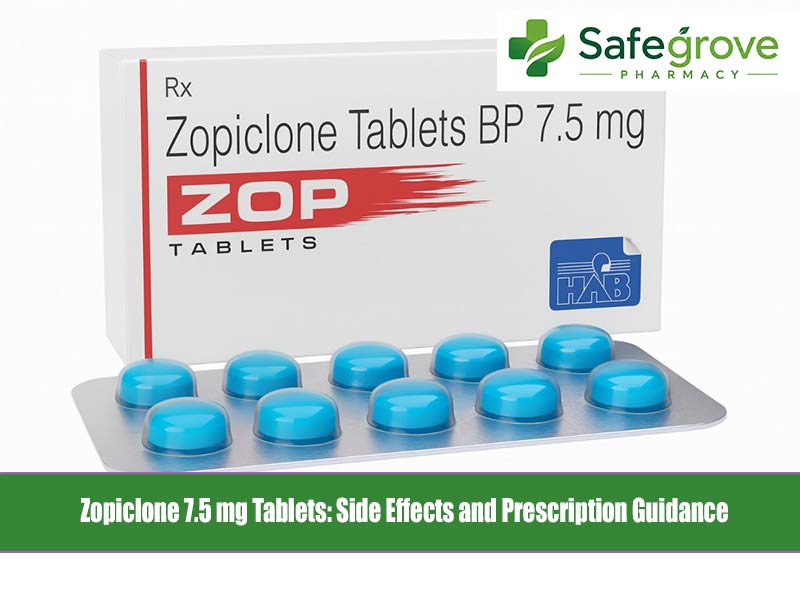
Zopiclone 7.5 mg is the standard adult tablet strength of the active ingredient zopiclone. Pharmacologically, it belongs to a group of medicines called hypnotics—specifically a class commonly referred to as “Z-drugs” (alongside zolpidem). Although Z-drugs have a different chemical structure from older benzodiazepine sleeping pills such as temazepam or diazepam, they act on similar pathways in the brain to induce sleep.
In the UK, zopiclone 7.5 mg tablets are most commonly supplied as generic film-coated tablets manufactured by licensed pharmaceutical companies (such as Aurobindo Pharma – Milpharm, Accord, or Teva), though you may occasionally see brand names like Zimovane referenced in older medical literature.
Two tablet strengths are routinely licensed in the UK:
-
Zopiclone 3.75 mg film-coated tablets (often used as a lower starting dose for older adults or people with liver or kidney impairment).
-
Zopiclone 7.5 mg film-coated tablets (the standard adult dose for short-term severe insomnia).
Because zopiclone carries well-documented risks of tolerance, physical dependence, and misuse, UK law places it under Schedule 4 (Part 1) of the Misuse of Drugs Regulations. This means any legitimate UK pharmacy—whether on the high street or operating as a registered online pharmacy—must verify an authentic prescription issued by a qualified prescriber before dispensing the medicine.
What Is Zopiclone 7.5 mg Used For?
According to NHS guidance, the British National Formulary (BNF), and UK Patient Information Leaflets, zopiclone 7.5 mg is used for the short-term relief of severe insomnia in adults aged 18 years and over.
Clinicians generally reserve sleeping tablets for situations where insomnia is severe, disabling, or causing extreme distress, and where non-drug approaches (such as sleep hygiene adjustments or Cognitive Behavioural Therapy for Insomnia) have not provided sufficient relief on their own.
Specifically, a doctor may prescribe 7.5mg zopiclone to help with:
-
Difficulty falling asleep (sleep-onset insomnia): Lying awake for hours despite feeling physically tired.
-
Waking during the night (sleep-maintenance insomnia): Experiencing fragmented sleep with frequent awakenings.
-
Waking too early in the morning: Waking hours before your alarm and being unable to drift back off.
-
Acute situational insomnia: Short-lived, severe sleep disruption triggered by a major life stressor, bereavement, hospital stay, or acute crisis.
What zopiclone is NOT for: Zopiclone is not a cure for chronic, long-term insomnia, nor is it designed to treat underlying anxiety disorders or depression on its own. While poor sleep often accompanies low mood or anxiety, treating the root cause requires targeted psychological or medical care rather than ongoing sleeping pills.
How Does Zopiclone Work?
To understand how does zopiclone work, it helps to look at how the brain naturally winds down at night.
Your central nervous system relies on a balance between excitatory chemical messengers (which keep you alert) and inhibitory messengers (which calm brain activity). The primary calming neurotransmitter in the human brain is gamma-aminobutyric acid (GABA).
When you swallow a zopiclone 7.5 mg tablet:
-
The active ingredient is absorbed through your digestive tract and crosses into the brain.
-
Zopiclone binds selectively to specific sites on GABA-A receptors in the central nervous system.
-
By enhancing the natural calming action of GABA, zopiclone slows down overactive nerve signalling.
-
This reduction in neural excitability helps quiet racing thoughts, eases physical tension, reduces the time it takes to fall asleep (sleep latency), and decreases nighttime awakenings.
While zopiclone effectively induces sedation, sleep specialists note that chemically induced sleep differs subtly from natural sleep architecture. Over extended periods, sleeping tablets do not restore natural deep-sleep cycles—one of the key reasons UK clinical guidelines emphasise short-term use alongside behavioural sleep strategies.
Understanding the Zopiclone Patient Information Leaflet (PIL)
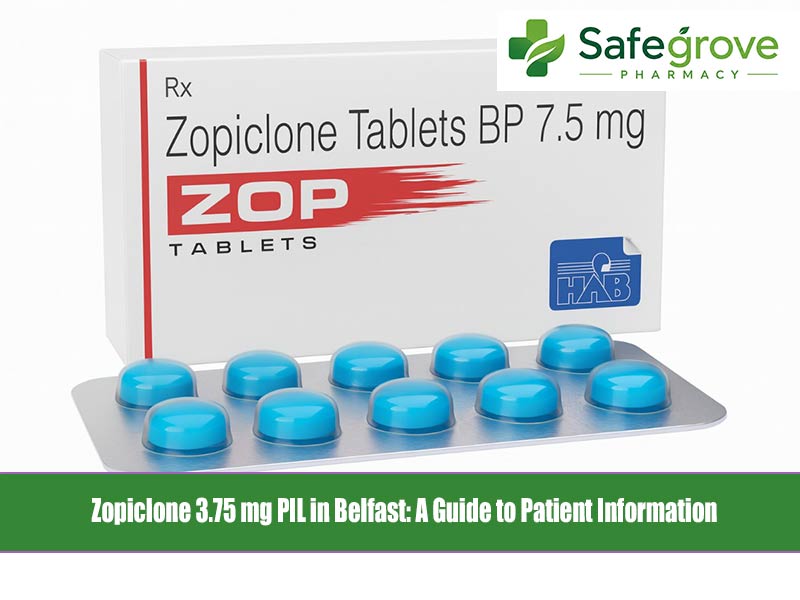
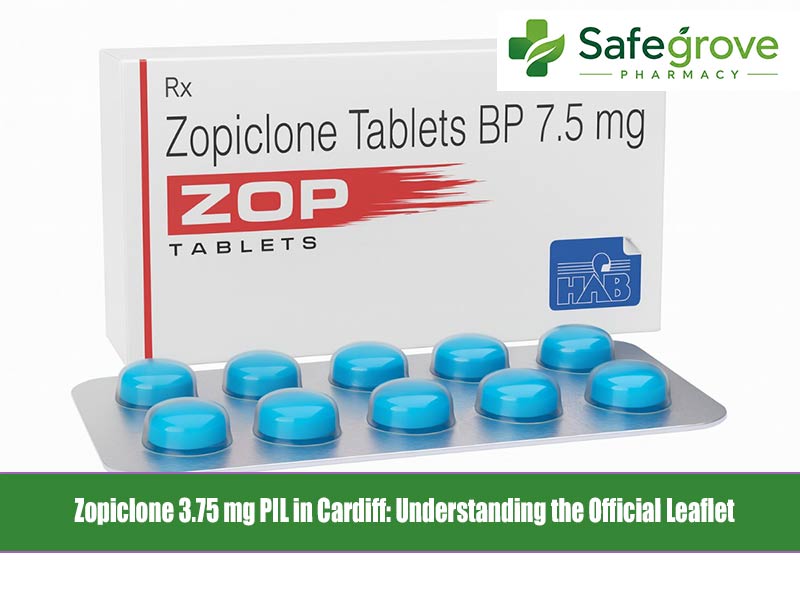
Every box of zopiclone tablets 7.5mg dispensed in the UK contains an official Patient Information Leaflet (PIL), approved by the Medicines and Healthcare products Regulatory Agency (MHRA). Many patients search online for a zopiclone 7.5 mg PIL or zopiclone 7.5mg PIL after misplacing the paper insert or wanting to double-check a warning before bedtime.
Why Wording Can Vary Between Packs
If you compare two different boxes of zopiclone—for example, a leaflet hosted on the Electronic Medicines Compendium (emc) for Aurobindo Pharma – Milpharm (PL 16363/0542) versus another licensed UK generic manufacturer—you will notice that the core clinical warnings are identical, while minor details may vary. Specifically:
-
Excipients (inactive ingredients): Some film-coated tablets contain small amounts of lactose monohydrate, which matters if you have a severe intolerance to certain sugars. Tablet coatings, dyes, and sodium content can also differ slightly between brands.
-
Tablet appearance: One manufacturer’s 7.5 mg tablet may be white, round, and biconvex with a break-line, while another may be oval or film-coated in a slightly different shade.
-
Safety updates: The MHRA regularly updates PIL safety wording (such as boxed warnings on dependence, withdrawal, and complex sleep behaviours). Always read the leaflet inside your current pack rather than relying on an outdated printout.
How and When to Take Zopiclone 7.5 mg Safely
Following your prescriber’s exact instructions is the single most effective way to reduce the risk of next-day grogginess, accidents, and dependence.
Step-by-Step Administration Guide
-
Take it right before bed: Swallow your dose just before you are ready to go to sleep—ideally once you are already in bed or about to get into bed. Do not take zopiclone early in the evening while you are still cooking, locking up the house, or caring for children.
-
Swallow the tablet whole: Take the tablet with a full glass of water. Do not crush, chew, or dissolve film-coated zopiclone tablets, as this can alter how the medicine is released and leave an intense bitter taste in your mouth.
-
With or without food: You can take zopiclone with or without food, although a very heavy, high-fat meal right before bedtime may slightly delay how quickly it starts working.
-
Ensure a full 7 to 8 hours of uninterrupted sleep: Official UK leaflets explicitly advise only taking zopiclone when you can dedicate at least 7 to 8 hours to uninterrupted sleep. Waking up after only 3 or 4 hours significantly increases the risk of memory gaps (anterograde amnesia), confusion, and severe impairment.
-
Follow intermittent dosing if advised: Depending on your symptoms, your GP may recommend taking zopiclone 7.5 mg only 2 or 3 nights per week rather than every night. Intermittent dosing helps prevent your body from building up rapid tolerance.
Why Individual Dosing Must Be Decided by a Prescriber
Never adjust your zopiclone dosage on your own. Taking two 7.5 mg tablets (15 mg) will not produce “better” sleep; instead, it sharply escalates the risk of respiratory depression, falls, hallucinations, and overdose. Conversely, if you have been taking zopiclone regularly for more than a couple of weeks, cutting tablets or stopping abruptly without medical guidance can trigger acute withdrawal symptoms.
How Long Does Zopiclone Take to Work—and How Long Does It Stay in Your System?
Two of the most frequent practical questions patients ask pharmacists are how long does zopiclone take to work and how long does zopiclone stay in your system.
Onset of Action (30 to 60 Minutes)
For most adults, zopiclone begins taking effect within 30 to 60 minutes of swallowing the tablet. Peak blood concentrations are typically reached around 1.5 to 2 hours after dosing. Because drowsiness can come on rapidly, you should already be in a safe bedroom environment before the tablet takes hold.
Elimination Half-Life and Duration in the Body
Zopiclone is classified as a relatively short-acting hypnotic, which is why it causes less prolonged daytime sedation than older benzodiazepines such as nitrazepam or diazepam:
-
Elimination half-life: In healthy adults, zopiclone has an average elimination half-life of approximately 5 hours (ranging between 3.5 and 6.5 hours). This means it takes roughly 5 hours for your body to clear half of the active medicine from your bloodstream.
-
Total clearance time: Because it generally takes around five half-lives for a medicine to be almost completely eliminated, trace amounts of zopiclone typically leave a healthy adult’s system within 24 to 30 hours.
-
Slower clearance in vulnerable groups: In adults aged 65 and over, or in individuals with reduced liver or kidney function, the half-life can extend to 7 hours or longer. This delayed clearance explains why older adults are far more sensitive to next-day drowsiness and why prescribers typically initiate treatment at 3.75 mg.
Zopiclone Side Effects: Common vs. Serious Reactions
Like all prescription medicines, zopiclone side effects vary from person to person. Many people experience mild effects during the first few days of treatment, while rare reactions require immediate medical attention.
Common Side Effects (Affecting up to 1 in 10 People)
-
A bitter or metallic taste in the mouth (dysgeusia): This is the most characteristic side effect of zopiclone, caused by small amounts of the medicine being excreted into your saliva. Sipping water, keeping a glass of water by your bed, or using an alcohol-free dry-mouth rinse before sleep can help ease discomfort.
-
Dry mouth: Staying well hydrated during the day can reduce morning dryness.
-
Next-day drowsiness, fatigue, or feeling “dazed”: Residual sedation can linger the next morning, particularly if you had fewer than 7 hours of sleep.
Less Common Side Effects
-
Headache or light-headedness
-
Nausea, indigestion, or mild stomach upset
-
Dizziness, unsteadiness, or poor coordination (ataxia)
-
Nightmares or vivid dreams
-
Agitation, irritability, or mild mood changes
Serious Side Effects: When to Seek Urgent Medical Help
Although uncommon, zopiclone can trigger serious neurological, psychiatric, or allergic reactions. Contact your GP or call NHS 111 urgently if you experience:
-
Memory loss (anterograde amnesia): Forgetting events that happened after you took the tablet, especially if your sleep was interrupted.
-
Complex sleep behaviours (parasomnias): Sleepwalking, preparing or eating food, making phone calls, having sex, or even driving while not fully awake, with no memory of the event the next morning. If this happens, stop taking zopiclone immediately and contact your doctor.
-
Hallucinations or delusions: Seeing or hearing things that are not there, or holding false, irrational beliefs.
-
Worsening depression or suicidal thoughts: New or worsening low mood, restlessness, aggression, or thoughts of self-harm.
-
Falls or severe confusion: Particularly in older adults waking up during the night to use the bathroom.
Emergency Warning — Serious Allergic Reaction (Anaphylaxis):
Call 999 or go to A&E immediately if you develop swelling of your face, lips, tongue, or throat, difficulty breathing or swallowing, wheezing, chest tightness, or a severe blistering skin rash.
(Note: In the UK, you can also report any suspected side effects directly to the MHRA via the Yellow Card Scheme at yellowcard.mhra.gov.uk.)
Alcohol, Caffeine, Driving and Activities Requiring Alertness
Daily habits around food, drink, and travel have a direct impact on how safely zopiclone behaves in your body.
Zopiclone and Alcohol: A Dangerous Combination
Do not drink any alcohol while taking zopiclone. Both alcohol and zopiclone depress the central nervous system. When combined, their sedative effects multiply rather than simply add together. This interaction can:
-
Cause dangerously deep sedation from which you cannot easily be woken.
-
Slow your breathing rate to hazardous levels (respiratory depression).
-
Dramatically increase the likelihood of sleepwalking, memory blackouts, and nighttime falls.
Caffeine and Stimulants
While caffeine does not cause a toxic interaction with zopiclone, drinking coffee, tea, cola, or energy drinks in the afternoon or evening directly counteracts the medicine’s sleep-inducing effects. Avoiding caffeine for at least 6 to 8 hours before bedtime allows your prescribed dose to work as intended without tempting you to take extra tablets.
Driving and UK Drug-Driving Rules (The 12-Hour Rule)
Zopiclone slows reaction times, impairs judgement, and reduces visual-motor coordination—even if you feel wide awake the next morning.
Under official UK PIL and NHS guidance:
-
Do not drive, ride a bike, or operate heavy machinery for at least 12 hours after taking zopiclone.
-
Even after 12 hours have passed, do not drive if you still feel sleepy, dizzy, clumsy, blurred in vision, or unable to concentrate.
-
Under UK road traffic law, it is an offence to drive while unfit through prescribed medicines. Always keep a copy of your prescription or medicine box label to prove your medicine was legally prescribed if ever required, and never get behind the wheel unless you are completely alert.
What Can You Not Take With Zopiclone? (Medicine Interactions)
Understanding what can you not take with zopiclone is critical because many prescription, over-the-counter, and herbal products alter how zopiclone is broken down or amplify its sedative effects.
| Medicine Category |
Common UK Examples |
Potential Interaction & Risk |
| Opioid Painkillers |
Codeine, co-codamol, tramadol, morphine, oxycodone, methadone, fentanyl |
High Risk: Concomitant use markedly increases profound sedation, respiratory depression, coma, and risk of fatal overdose. |
| Benzodiazepines & Other Sedatives |
Diazepam, lorazepam, temazepam, zolpidem, promethazine |
High Risk: Additive central nervous system depression, extreme next-day drowsiness, memory impairment, and falls. |
| Antidepressants |
Amitriptyline, mirtazapine, trazodone, sertraline, citalopram |
Moderate-to-High Risk: Sedating tricyclics (like amitriptyline) and mirtazapine intensify drowsiness; SSRIs (like sertraline) require clinical monitoring for combined CNS or mood effects. |
| Antipsychotics & Anticonvulsants |
Quetiapine, olanzapine, pregabalin, gabapentin, carbamazepine, phenytoin |
Variable Risk: Antipsychotics and gabapentinoids increase sedation; enzyme inducers (carbamazepine, phenytoin) speed up zopiclone breakdown and make it less effective. |
| Sedating Antihistamines |
Chlorphenamine (Piriton), promethazine (Phenergan), diphenhydramine (Nytol) |
High Risk: Over-the-counter sleep aids and drowsy allergy tablets compound sedation and next-day impairment. |
| CYP3A4 Enzyme Inhibitors |
Clarithromycin, erythromycin (antibiotics); ketoconazole, itraconazole (antifungals); ritonavir |
Increased Blood Levels: These medicines slow liver breakdown of zopiclone, raising blood levels and increasing side effects. |
| Herbal Supplements |
St John’s wort, valerian root, passionflower, kava |
Variable Risk: St John’s wort reduces zopiclone effectiveness; sedating herbs (valerian) increase drowsiness. |
Closer Look at Common UK Combination Queries
-
Zopiclone and codeine: Co-codamol and codeine phosphate are widely prescribed in the UK for pain. Combining codeine with zopiclone increases the risk of slowed breathing and severe drowsiness. Only take them together if a doctor has explicitly reviewed both medicines and advised how to space or monitor them safely.
-
Zopiclone and diazepam: Both medicines enhance GABA activity in the brain. Taking them together is generally avoided unless under specialist psychiatric or acute medical supervision, as the combined sedative load carries high risks of falls, confusion, and dependence.
-
Zopiclone and amitriptyline: Amitriptyline is frequently prescribed at low doses in the UK for nerve pain or migraine prevention. Because amitriptyline also causes marked drowsiness, adding zopiclone can cause severe morning grogginess and dizziness upon standing.
-
Zopiclone and sertraline: Many UK patients take sertraline for anxiety or depression alongside a short course of zopiclone while waiting for the antidepressant to take effect. While they can be co-prescribed by a GP, your doctor should monitor your mood and alertness closely, particularly in the first few weeks.
Always inform your GP and your Zopiclone Direct UK pharmacist about every medicine, vitamin, or herbal remedy you use before starting zopiclone.
Dependence, Tolerance, Addiction and Withdrawal
A central warning highlighted across all UK Patient Information Leaflets and NICE guidelines is that zopiclone can cause tolerance, physical dependence, and addiction.
How Tolerance and Dependence Develop
-
Tolerance: If you take zopiclone 7.5 mg every night for several weeks, your brain’s GABA receptors adapt to the medicine. You may notice that the tablet no longer helps you fall asleep as quickly as it did on night one. Never increase your dose to chase the original effect—doing so accelerates dependence without restoring natural sleep.
-
Physical and psychological dependence: With continued nightly use beyond 2 to 4 weeks, your body begins relying on zopiclone to maintain baseline calm. You may feel anxious at the thought of going to bed without a tablet.
-
Risk factors: The risk of zopiclone addiction or misuse increases with higher doses, longer duration of use (especially beyond 4 weeks), and a personal history of alcohol or substance dependence or mental health conditions.
Rebound Insomnia and Withdrawal Symptoms
If you stop taking zopiclone abruptly after regular use, your central nervous system can temporarily become overactive. This often triggers rebound insomnia—where your sleeping difficulties return worse than before for a few nights—alongside physical and psychological zopiclone withdrawal symptoms, including:
-
Heightened anxiety, restlessness, irritability, or panic attacks
-
Tremors (shaking hands), sweating, and muscle aches
-
Headaches and heart palpitations
-
Heightened sensitivity to light, noise, and physical touch
-
Difficulty concentrating, confusion, or vivid nightmares
-
In rare cases following abrupt cessation of high doses, hallucinations or seizures
How to Stop Taking Zopiclone Safely
If you have only taken zopiclone for a few days or up to two weeks, your doctor will usually confirm that you can simply finish your short course. However, if you have been taking zopiclone regularly for longer than two to four weeks, do not stop suddenly. Speak to your GP or pharmacist about a gradual dose reduction (tapering schedule)—for example, stepping down from 7.5 mg to 3.75 mg, or gradually introducing tablet-free nights over several weeks—while putting non-drug sleep strategies in place.
Missed Doses and Suspected Overdose: What to Do
If You Forget to Take Your Dose
If you forget to take zopiclone 7.5 mg at bedtime:
-
Skip the missed dose and wait until your normal bedtime the following night.
-
Do not take a missed tablet in the middle of the night unless you still have a full 7 to 8 hours available before you need to wake up and function.
-
Never take two tablets at once to make up for a forgotten dose.
Overdose Warning Signs and Emergency Action
Taking more than your prescribed dose of zopiclone—or combining it with alcohol or opioids—can lead to a medical emergency. Zopiclone overdose symptoms include:
-
Extreme drowsiness, confusion, slurred speech, or inability to wake up (coma)
-
Floppy muscles, loss of balance, and falling
-
Dizziness, light-headedness, or fainting caused by a drop in blood pressure
-
Very slow, shallow, or laboured breathing
Urgent Medical Assistance:
If you or someone else has taken too much zopiclone, call NHS 111 immediately for urgent advice, even if the person feels well. If the person is unconscious, having difficulty breathing, or cannot be woken, call 999 for an ambulance right away. Do not attempt to drive yourself to A&E. Bring the zopiclone box, the Patient Information Leaflet, and any remaining tablets with you for the medical team.
Who Should Not Take Zopiclone—and Who Needs Extra Precautions?
Zopiclone is not suitable for every adult. Before prescribing zopiclone 7.5 mg, a UK doctor will review your medical history against official contraindications and cautions.
Do Not Take Zopiclone If You Have:
-
A known allergy (hypersensitivity) to zopiclone or any tablet ingredients
-
Myasthenia gravis (an autoimmune condition causing severe muscle weakness)
-
Severe respiratory failure or serious breathing difficulties
-
Sleep apnoea syndrome (a condition where breathing repeatedly stops and starts during sleep)
-
Severe liver impairment (hepatic insufficiency)
-
A previous history of sleepwalking or complex sleep behaviours after taking zopiclone
-
Age under 18 years (zopiclone is not licensed for children or adolescents in the UK)
Discuss Extra Precautions With Your Prescriber If You Have:
-
Adults aged 65 and over: Older adults clear zopiclone more slowly and face higher risks of daytime sedation, cognitive confusion, dizziness, and nighttime falls. NICE guidance generally advises avoiding Z-drugs in older people where possible or starting at 3.75 mg.
-
Mild-to-moderate liver or kidney problems: Reduced organ clearance means the medicine stays in your bloodstream longer, usually requiring a lower 3.75 mg dose.
-
Mild breathing conditions (such as mild COPD or asthma): Hypnotics can slightly dampen respiratory drive during sleep.
-
History of depression, personality disorder, or substance/alcohol misuse: Close clinical monitoring is essential due to higher risks of dependence and mood changes.
-
Pregnancy or breastfeeding: Zopiclone is not recommended during pregnancy (use in late pregnancy can cause newborn withdrawal symptoms, low body temperature, or breathing difficulties) and must not be used while breastfeeding, as small amounts pass into breast milk. Never co-sleep with a baby if you have taken any sedating medicine.
Zopiclone 3.75 mg vs. 7.5 mg: Understanding the Difference
Patients often wonder whether zopiclone 3.75 mg is simply “half as effective” as zopiclone 7.5 mg, or whether they can split tablets themselves.
| Feature |
Zopiclone 3.75 mg |
Zopiclone 7.5 mg |
| Clinical Role in the UK |
Lower starting/maintenance dose for sensitive patients |
Standard adult dose for short-term severe insomnia |
| Typical Patient Group |
Adults aged 65+, patients with liver/kidney impairment, or those tapering off treatment |
Healthy adults aged 18–64 with severe acute insomnia |
| Sedative Intensity |
Gentler sedative effect with lower risk of next-day grogginess and falls |
Stronger sleep-inducing effect, but higher likelihood of metallic taste and morning impairment |
| Self-Adjustment Rule |
Do not double up to 7.5 mg without GP approval |
Do not split tablets unless specifically instructed by your prescriber or pharmacist (not all generic tablets are scored for equal splitting) |
Always follow the exact strength printed on your dispensing label. If zopiclone 7.5 mg leaves you overly drowsy the next morning, speak to your prescriber about whether stepping down to the dedicated 3.75 mg tablet is appropriate.
Zopiclone vs. Zolpidem: Key Differences Explained
When researching UK sleeping tablets, many patients compare zopiclone with zolpidem (formerly marketed as Stilnoct). Both belong to the Z-drug family and share similar UK regulatory controls, yet they have practical clinical differences.
| Comparison Factor |
Zopiclone (3.75 mg / 7.5 mg) |
Zolpidem (5 mg / 10 mg) |
| Drug Class & UK Status |
Z-drug hypnotic; POM & Schedule 4 Controlled Drug |
Z-drug hypnotic; POM & Schedule 4 Controlled Drug |
| Standard Adult Dose |
7.5 mg at bedtime (3.75 mg in older adults) |
10 mg at bedtime (5 mg in older adults) |
| Elimination Half-Life |
~5 hours (slightly longer duration across the night) |
~2.5 hours (shorter duration; primarily targets sleep onset) |
| Primary Sleep Benefit |
Helps both falling asleep and staying asleep through the night |
Primarily helps falling asleep quickly; wears off sooner |
| Signature Side Effect |
Bitter or metallic taste in the mouth |
Less likely to cause metallic taste; higher association with sleep-related behaviours if taken without full sleep window |
| Driving Wait Period |
Minimum 12 hours after dosing |
Minimum 8 hours after dosing (longer if still impaired) |
| Maximum UK Duration |
Up to 2–4 weeks (including tapering) |
Up to 2–4 weeks (including tapering) |
According to NICE guidance, if one Z-drug does not work for you, switching to another Z-drug is generally not recommended, as they act through the same brain mechanism. Instead, your GP will investigate underlying causes of sleeplessness or refer you for evidence-based behavioural therapy.
Finding Reliable UK Medicine Information and Legitimate Pharmacy Care
Searching online for zopiclone online UK, buy zopiclone UK, or zopiclone 7.5 mg price frequently brings up unregulated websites offering to ship sleeping pills without a prescription. Avoid these sites completely.
In the United Kingdom:
-
Zopiclone is strictly prescription-only. Any website offering buy zopiclone 7.5 mg or zopiclone 7.5 mg buy online UK without requiring a valid prescription from a UK-registered prescriber is operating illegally.
-
Counterfeit risks: Unregulated tablets bought outside the UK supply chain may contain the wrong dose, ineffective chalk fillers, or dangerous undeclared substances such as potent benzodiazepines or synthetic opioids.
-
Verifying a legitimate pharmacy: Legitimate UK pharmacies are regulated by the General Pharmaceutical Council (GPhC) and display the official GPhC registration logo and pharmacy registration number. Whether you receive an NHS prescription (charged at the standard NHS prescription fee in England, or free in Scotland, Wales, Northern Ireland, and for exempt patients) or a private prescription following a thorough medical consultation, a registered pharmacy will always check clinical appropriateness before dispensing.
Trusted UK Sources for Further Reading
-
NHS Medicines A–Z (Zopiclone): Plain-English UK patient guidance on dosing, side effects, and safety (nhs.uk/medicines/zopiclone).
-
Electronic Medicines Compendium (emc): Up-to-date manufacturer Patient Information Leaflets (PILs) and Summaries of Product Characteristics (SmPCs) (medicines.org.uk).
-
British National Formulary (BNF): Official UK clinical reference used by doctors and pharmacists (bnf.nice.org.uk).
-
MHRA Yellow Card Scheme: Official UK portal for reporting suspected medicine side effects (yellowcard.mhra.gov.uk).
Frequently Asked Questions
1. What is zopiclone 7.5 mg used for in the UK?
Zopiclone 7.5 mg is prescribed in the UK for the short-term treatment of severe, disabling insomnia in adults aged 18 and over. It helps people who have severe difficulty falling asleep, wake frequently during the night, or wake too early, usually when non-drug sleep strategies alone have not worked.
2. How long does zopiclone 7.5 mg take to work?
Zopiclone typically starts working within 30 to 60 minutes of swallowing the tablet. Because its sedative effects come on relatively quickly, you should swallow the tablet whole with water right before going to bed and ensure you have at least 7 to 8 hours available for uninterrupted sleep.
3. How long does zopiclone stay in your system?
In healthy adults, zopiclone has an average half-life of around 5 hours, meaning most of the medicine is cleared from your bloodstream within 24 to 30 hours. However, in adults aged 65 and over or people with liver or kidney conditions, clearance takes longer, increasing the chance of next-day drowsiness.
4. Can I drink alcohol while taking zopiclone 7.5 mg?
No. You must strictly avoid alcohol while taking zopiclone. Combining alcohol with zopiclone dangerously amplifies central nervous system depression, which can cause you to sleep too deeply, stop breathing properly, experience memory blackouts, or struggle to wake up.
5. Can I drive the morning after taking zopiclone 7.5 mg?
You must not drive, ride a bicycle, or operate machinery for at least 12 hours after taking zopiclone. Even after 12 hours, do not drive if you still feel drowsy, dizzy, clumsy, or unable to concentrate, as driving while impaired by prescription medication is illegal in the UK.
6. Is zopiclone 7.5 mg addictive?
Yes, zopiclone can cause tolerance, physical dependence, and addiction—particularly if taken every night for longer than 2 to 4 weeks or at higher-than-prescribed doses. To minimise this risk, UK prescribers keep courses as short as possible (typically 1 to 2 weeks) and may suggest intermittent use.
7. What happens if I stop taking zopiclone suddenly?
If you have been taking zopiclone regularly for more than a couple of weeks, stopping suddenly can trigger rebound insomnia (where sleep problems temporarily return worse than before) and withdrawal symptoms such as anxiety, restlessness, sweating, tremors, headaches, and palpitations. Always ask your GP or pharmacist to help you reduce the dose gradually.
8. What medicines should you not take with zopiclone?
You should not combine zopiclone with opioid painkillers (such as codeine, tramadol, or morphine), other sleeping tablets, benzodiazepines, sedating antihistamines (like promethazine or chlorphenamine), or alcohol without explicit medical supervision, as this raises the risk of dangerous breathing difficulties and extreme sedation. Certain antibiotics (clarithromycin, erythromycin) and St John’s wort also interact with zopiclone.
9. What is the difference between zopiclone 3.75 mg and 7.5 mg?
Zopiclone 7.5 mg is the standard adult dose, whereas zopiclone 3.75 mg is a half-strength tablet commonly prescribed for adults aged 65 and over, people with liver or kidney impairment, or patients gradually tapering off treatment. The 3.75 mg strength lowers the risk of excessive morning grogginess and nighttime falls in sensitive individuals.
10. Can I buy zopiclone 7.5 mg online in the UK without a prescription?
No. In the UK, zopiclone is a prescription-only medicine and a Schedule 4 Controlled Drug. It is illegal for any UK website or pharmacy to supply zopiclone without a valid prescription issued after a proper clinical assessment. Always use a GPhC-registered UK pharmacy and consult a qualified doctor about safe insomnia treatment.