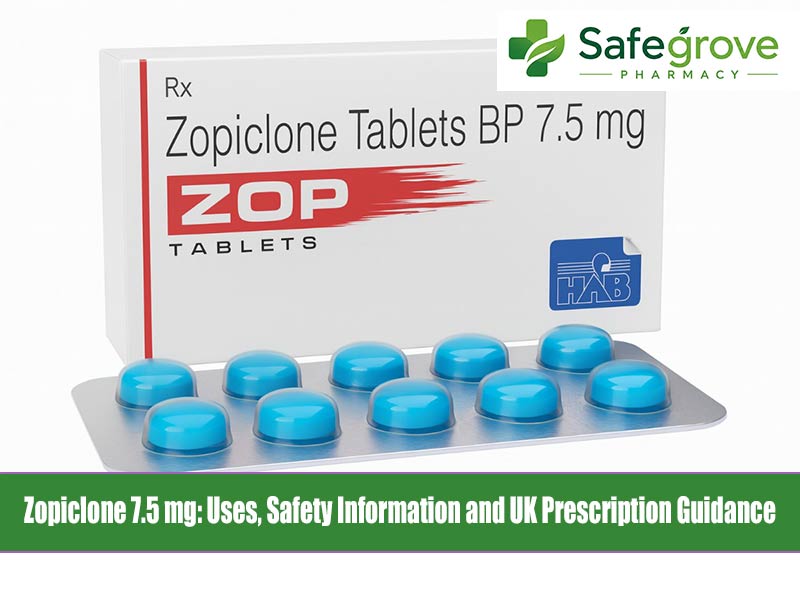
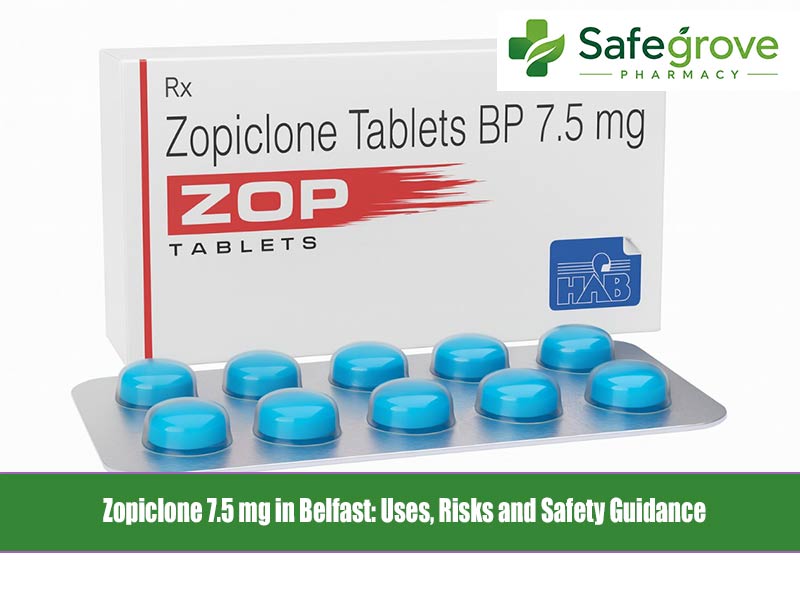
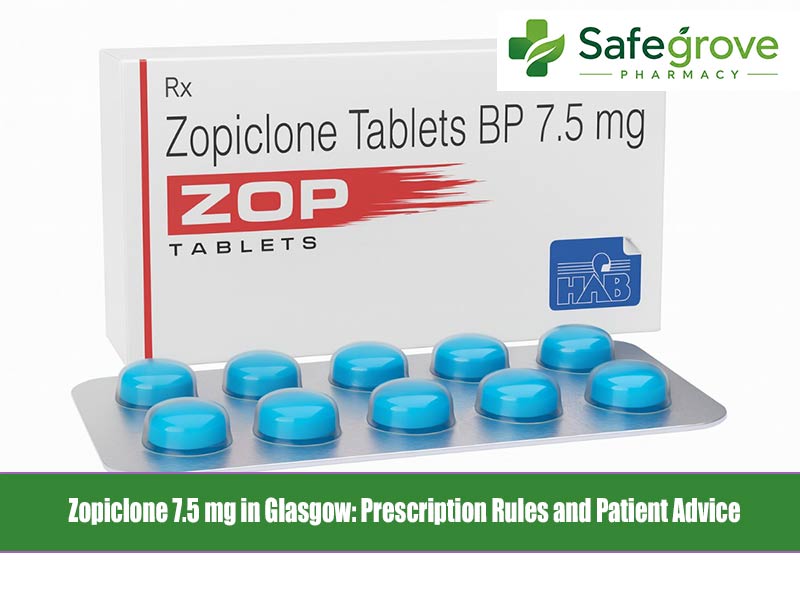
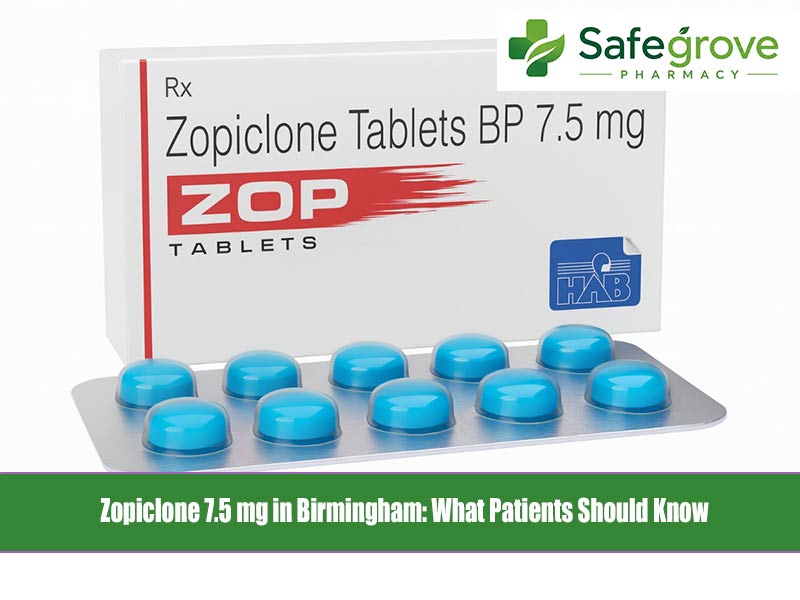
Struggling with persistent, exhausting nights of broken sleep can affect every part of your daily life, from concentration at work to your physical and emotional wellbeing. When sleep hygiene measures are not enough, doctors across Belfast and the wider United Kingdom sometimes prescribe zopiclone 7.5 mg tablets to help restore rest during periods of acute sleep disruption. Because zopiclone is a potent, regulated sleeping medicine, understanding how it works, how to read your Patient Information Leaflet (PIL), and what safety precautions to follow is essential before taking your first dose.
At Zopiclone Direct UK, we believe safe medicine use starts with transparent, evidence-based clinical education. Whether you have recently collected a prescription in Belfast, Lisburn, Derry, or elsewhere in Northern Ireland and the UK, this comprehensive guide breaks down everything you need to know about zopiclone 7.5 mg—grounded in official NHS guidance, the Electronic Medicines Compendium (emc), and British National Formulary (BNF) standards.
What Is Zopiclone 7.5 mg and What Is It Prescribed For?
Zopiclone belongs to a class of non-benzodiazepine sleeping medicines commonly referred to as “Z-drugs” (alongside zolpidem and zaleplon). In clinical terminology, it is classified as a hypnotic medicine—meaning its primary therapeutic role is to induce and maintain sleep.
Under UK clinical guidelines, zopiclone 7.5 mg film-coated tablets are licensed exclusively for the short-term treatment of severe or disabling insomnia in adults aged 18 and over. Doctors may consider prescribing it when sleep disturbance causes extreme distress or significantly impairs daytime functioning, including:
Sleep-onset insomnia: Persistent difficulty falling asleep after going to bed.
Sleep-maintenance insomnia: Frequent awakenings during the middle of the night with trouble returning to sleep.
Early morning waking: Waking up far earlier than intended and being unable to drift back off.
Situational or secondary insomnia: Severe, acute sleep disruption linked to temporary life stressors or underlying mood difficulties while primary treatments take effect.
Why Is Zopiclone Only Used Short-Term?
Both the NHS and the UK Medicines and Healthcare products Regulatory Agency (MHRA) specify that zopiclone courses should be kept as brief as possible—typically ranging from a few days up to 2 to 4 weeks maximum (including any gradual tapering-off period).
There are two critical clinical reasons for this strict time limit:
Rapid Tolerance: Your brain adapts quickly to the calming effects of zopiclone. After a few weeks of continuous nightly use, the same 7.5 mg dose becomes noticeably less effective at inducing sleep.
Physical and Psychological Dependence: Prolonged use increases the likelihood that your body will rely on the medicine to sleep, leading to rebound insomnia and uncomfortable withdrawal symptoms when you try to stop.
Understanding the 7.5 mg Strength vs. 3.75 mg Tablets
For healthy adults under 65, 7.5 mg is the standard recommended single nightly dose. However, having 7.5 mg as a standard adult strength does not mean it is suitable for every patient. Prescribers always follow the clinical rule of using the lowest effective dose for the shortest possible duration.
Clinical Feature
Zopiclone 3.75 mg Tablets
Zopiclone 7.5 mg Tablets
Typical Patient Group
Adults aged 65 and over, or patients with liver, kidney, or chronic breathing issues.
Healthy adults aged 18–64 when lower doses are insufficient.
Primary Clinical Role
Reduced-risk starting dose to minimise next-day sedation, falls, and confusion.
Standard adult hypnotic dose for acute, severe insomnia.
Tablet Administration
Taken as one 3.75 mg tablet immediately before bed.
Taken as one 7.5 mg tablet (or two 3.75 mg tablets if directed) immediately before bed.
Maximum Daily Limit
Must not exceed prescribed dose; never re-administered the same night.
7.5 mg in 24 hours is the strict maximum UK adult dose.
Important Dosage Rule: Never alter your dose on your own. If you have been prescribed 3.75 mg, do not double your tablets to reach 7.5 mg. Conversely, if you have 7.5 mg tablets and feel overly drowsy, speak with your GP or pharmacist before splitting scored tablets or adjusting your schedule.
How Does Zopiclone Work and How Quickly Does It Take Effect?
To understand why zopiclone works rapidly, it helps to look at brain chemistry. Zopiclone enhances the activity of a naturally occurring neurotransmitter in your central nervous system called gamma-aminobutyric acid (GABA).
GABA acts as the brain’s primary “brake pedal.” When GABA binds to specific receptors on nerve cells, it slows down neural firing, quiets racing thoughts, relaxes muscle tension, and signals the body to transition into sleep. Although zopiclone is chemically distinct from benzodiazepines, it binds to a closely related site on the GABA-A receptor complex to amplify this calming effect.
Onset of Action and Duration
How fast it works: Zopiclone is absorbed rapidly from the digestive tract and typically begins working within 30 to 60 minutes of swallowing the tablet. Because of this quick onset, you must only take it when you are already in bed—or immediately before getting into bed—and ready to sleep.
How long it lasts: Zopiclone has an elimination half-life of roughly 5 hours in healthy adults (though this can extend to 7 hours or more in older adults or those with reduced liver clearance). It is designed to help you fall asleep quickly and stay asleep for 7 to 8 hours without waking prematurely.
Intermittent Dosing: In many cases, your Belfast GP or specialist may advise taking zopiclone only 2 or 3 nights per week rather than every single night. Intermittent dosing helps preserve the medicine’s effectiveness and lowers the risk of tolerance.
How to Read and Use Your Patient Information Leaflet (PIL)
Every dispensed box of zopiclone in the UK contains an official Patient Information Leaflet (PIL) approved by the MHRA. If you have misplaced your paper copy, you can view up-to-date digital versions anytime on the Electronic Medicines Compendium (emc) by searching for your specific manufacturer’s product (such as Zopiclone 7.5 mg film-coated tablets or branded Zimovane).
When reviewing your PIL, pay close attention to six numbered sections:
What Zopiclone is and what it is used for: Confirms the active ingredient (7.5 mg zopiclone), its hypnotic classification, and its licensed indication for adult insomnia.
What you need to know before you take Zopiclone: Lists absolute contraindications (reasons you must never take it), warnings, drug interactions, and pregnancy/breastfeeding rules.
How to take Zopiclone: Details exact administration instructions—swallow whole with water, do not crush or chew, take once at bedtime, and never take a second tablet if you wake up later that night.
How to store Zopiclone: Advises keeping tablets below 25°C in their original blister pack, out of the sight and reach of children, and checking the expiry date.
Contents of the pack and other information: Lists inactive excipients. Notably, most UK zopiclone 7.5 mg tablets contain lactose monohydrate—an essential detail if you have severe lactose or galactose intolerance.
Who Should Not Take Zopiclone 7.5 mg?
While most adults can take zopiclone safely under medical supervision, it is contraindicated (unsafe) for certain individuals. According to NHS and emc clinical guidance, you must not take zopiclone if you have:
Allergy or hypersensitivity: A previous allergic reaction to zopiclone or any tablet excipients.
Myasthenia gravis: A neuromuscular condition causing severe muscle weakness, which sedatives can dangerously worsen.
Severe respiratory failure: Compromised lung function where slowing breathing could become life-threatening.
Sleep apnoea syndrome: A disorder causing brief pauses in breathing during sleep.
Severe liver impairment: Because the liver metabolises zopiclone, severe hepatic disease can cause toxic drug buildup and encephalopathy.
History of complex sleep behaviours: Any past episode of sleepwalking, sleep-driving, or performing activities while not fully awake after taking a Z-drug.
Age under 18 years: Safety and efficacy have not been established in children or adolescents.
Extra Precautions for Specific Groups
Pregnancy and Breastfeeding:Zopiclone is generally not recommended during pregnancy, particularly in the third trimester, as it may cause temporary drowsiness, floppy muscles, or withdrawal symptoms in a newborn baby. Small amounts also pass into breast milk; if you are breastfeeding, consult your doctor or midwife. Never co-sleep (share a bed) with your baby while taking zopiclone, as sedating medicines significantly increase the risk of Sudden Infant Death Syndrome (SIDS).
Mental Health History: Always inform your prescriber if you have a history of depression, anxiety, or substance use disorder. Hypnotics do not treat underlying depression and can occasionally unmask or worsen low mood and suicidal thoughts.
Like all prescription medicines, zopiclone can cause side effects, though not everyone experiences them. Understanding the difference between mild, expected effects and rare, serious reactions helps you stay safe.
Common Side Effects (Affecting up to 1 in 10 people)
A bitter or metallic taste in the mouth (dysgeusia): This is the single most frequently reported side effect of zopiclone. It happens because small amounts of the medicine are secreted into saliva and usually fades as the tablet wears off.
Dry mouth: Sipping water before bed and upon waking can help relieve mild overnight dryness.
Next-day drowsiness, fatigue, or feeling “dazed”: Residual sedation can linger into the following morning, particularly during the first few days of treatment or if you had fewer than 7 to 8 hours of uninterrupted sleep.
Uncommon and Rare Side Effects
Uncommon (up to 1 in 100 people): Dizziness, headache, mild nausea or indigestion, nightmares, and physical or mental tiredness.
Rare (up to 1 in 1,000 people): Anterograde amnesia (memory gaps for events occurring after taking the tablet), confusion, irritability, agitation, skin rashes or itching, and an increased risk of falls—especially in older adults getting up during the night.
Serious Side Effects: When to Seek Urgent Medical Help
Complex Sleep Behaviours: Engaging in activities while not fully awake—such as sleepwalking, preparing or eating food, making phone calls, or driving a vehicle—with no memory of the event the next morning. If this occurs, treatment must be discontinued permanently.
Severe Allergic Reaction (Anaphylaxis): Swelling of the lips, face, tongue, or throat, difficulty swallowing, wheezing, or sudden shortness of breath.
Psychiatric or Behavioural Changes: Hallucinations (seeing or hearing things that are not real), delusions, severe confusion (delirium), uncharacteristic aggression, or thoughts of self-harm or suicide.
Respiratory Depression: Dangerously slow, shallow, or laboured breathing.
Critical Interactions: Alcohol, Opioids, and Other Medicines
Zopiclone slows down activity in your central nervous system. Combining it with other substances that have sedating or enzyme-altering effects can lead to severe, potentially fatal complications.
1. Zopiclone and Alcohol (Strict Avoidance)
Do not drink any alcohol while taking zopiclone. Alcohol amplifies the sedative action of zopiclone unpredictably. Together, they can induce an unnaturally deep sleep where your breathing slows to dangerous levels (respiratory depression) and you become very difficult to wake. Even a single alcoholic drink in the evening can heighten next-day impairment and trigger complex sleep behaviours.
2. Opioid Painkillers (High-Risk Warning)
Combining zopiclone with opioid medicines—such as codeine, co-codamol, tramadol, morphine, oxycodone, fentanyl, or methadone—carries a major UK regulatory safety warning. Co-administration significantly increases the risk of profound sedation, respiratory depression, coma, and accidental overdose. A doctor will only prescribe both together if no safer alternative exists, using the lowest possible doses under close monitoring.
3. Other Sedating Medicines
Tell your prescriber or pharmacist if you take:
Antidepressants and antipsychotics (e.g., amitriptyline, mirtazapine, sertraline, quetiapine).
Anti-anxiety medicines or other sleeping pills (e.g., diazepam, lorazepam, promethazine).
Sedating antihistamines found in over-the-counter allergy remedies, travel sickness tablets, or night-time cold and flu capsules (e.g., chlorphenamine, diphenhydramine).
Zopiclone is broken down in the liver primarily by the CYP3A4 enzyme.
CYP3A4 Inhibitors (such as the antibiotics erythromycin and clarithromycin, antifungals like ketoconazole and itraconazole, and ritonavir) slow down zopiclone clearance, increasing blood levels and prolonging sedation.
CYP3A4 Inducers (such as rifampicin, phenytoin, and the herbal supplement St John’s Wort) speed up clearance, making zopiclone less effective.
Driving, Work, and Next-Day Alertness Rules
Under UK law—including the Road Traffic Order in Northern Ireland and the Road Traffic Act across Great Britain—it is a criminal offence to drive while unfit through drugs, including prescribed medicines.
Because zopiclone 7.5 mg can impair reaction times, coordination, and judgment even when you feel wide awake, follow these mandatory precautions:
The 12-Hour Rule: Do not drive, ride a bicycle or motorbike, or operate heavy machinery for at least 12 hours after taking zopiclone.
Check How You Feel: Even after 12 hours have passed, do not get behind the wheel if you feel drowsy, dizzy, lightheaded, clumsy, or have blurred vision.
Ensure Full Sleep Duration: Only take zopiclone when you have a full 7 to 8 hours available to sleep before needing to wake up and function.
Tolerance, Dependence, and Safe Withdrawal
Understanding how to stop taking zopiclone is just as important as knowing how to start. If you have taken zopiclone 7.5 mg regularly for more than a week or two, do not stop taking it abruptly without speaking to your doctor.
Stopping suddenly after continuous use can trigger rebound insomnia (where your sleep temporarily worsens for a few nights) alongside physical and psychological withdrawal symptoms, such as:
Heightened anxiety, restlessness, irritability, or panic attacks
Tremors (shakiness), sweating, and muscle aches
Palpitations (a fast or fluttering heartbeat)
Headaches, nausea, and heightened sensitivity to light or noise
How Doctors Manage Safe Discontinuation
If you have been taking zopiclone for several weeks, your GP or prescribing clinician will design a gradual dose-tapering schedule—for example, stepping down from 7.5 mg to 3.75 mg before spacing out doses over several days or weeks. Tapering allows your brain’s natural GABA receptors to readjust smoothly without distressing rebound symptoms.
Accessing Zopiclone Safely in Belfast and Across the UK
In the United Kingdom, zopiclone is strictly classified as a Prescription-Only Medicine (POM) and a Schedule 4 (Part 1) Controlled Drug under the Misuse of Drugs Regulations.
Whether you live in Belfast, Lisburn, Newry, Armagh, Derry (Londonderry), or anywhere across England, Scotland, and Wales:
Beware of Unregulated Websites: Never purchase zopiclone from websites that offer to supply sleeping tablets without a prescription or medical consultation. Unregulated online sellers frequently distribute counterfeit tablets containing dangerous doses of undeclared sedatives, fentanyl, or toxic contaminants.
Verify UK Pharmacy Registration: Always ensure any online or local pharmacy you use is registered with the Pharmaceutical Society of Northern Ireland (PSNI) (for pharmacies based in Belfast and Northern Ireland) or the General Pharmaceutical Council (GPhC) (for pharmacies in Great Britain).
Sustainable Alternatives for Long-Term Sleep Health
Because zopiclone is a short-term bridge rather than a permanent cure for insomnia, UK health bodies—including NICE and HSC Northern Ireland—recommend Cognitive Behavioural Therapy for Insomnia (CBT-I) as the gold-standard long-term treatment. Combining structured sleep scheduling, stimulus control, and relaxation techniques addresses the root causes of chronic sleeplessness without the risks of tolerance or dependence.
Speak With Our Pharmacy Team at Zopiclone Direct UK
Navigating sleep medications requires reliable clinical support tailored to your health history. If you have questions about your zopiclone 7.5 mg prescription, want help reviewing potential interactions with your current medicines, or need guidance on sleep health support in Belfast and across the UK, our qualified pharmacy team is here to help. Always consult your GP or pharmacist before starting, adjusting, or stopping any prescription sleeping medicine.
Frequently Asked Questions
1. What is zopiclone 7.5 mg used for?
Zopiclone 7.5 mg is a prescription-only hypnotic sleeping tablet used in the UK for the short-term treatment of severe insomnia in adults aged 18 and over. It helps people who have severe difficulty falling asleep, wake frequently during the night, or wake up too early when sleep loss is causing extreme distress.
2. How long does zopiclone 7.5 mg take to work?
Zopiclone typically begins working within 30 to 60 minutes of swallowing the tablet. Because it acts quickly, you should take it whole with a glass of water immediately before getting into bed, and only when you can dedicate 7 to 8 uninterrupted hours to sleep.
3. What is the difference between zopiclone 3.75 mg and 7.5 mg?
Zopiclone 7.5 mg is the standard nightly starting dose for healthy adults under 65, whereas 3.75 mg is a lower starting strength prescribed for adults aged 65 and over or patients with liver, kidney, or breathing problems. Starting at 3.75 mg in these groups reduces the risk of next-day drowsiness, confusion, and falls.
4. Can I drink alcohol while taking zopiclone 7.5 mg?
No, you must completely avoid alcohol while taking zopiclone. Combining alcohol and zopiclone dangerously amplifies central nervous system sedation, which can suppress your breathing during sleep, make it very difficult to wake up, and increase the risk of sleepwalking or next-day impairment.
5. What are the most common side effects of zopiclone 7.5 mg?
The most common side effects are a bitter or metallic taste in your mouth, a dry mouth, and feeling sleepy, tired, or dazed the next day. Less commonly, some people experience dizziness, headaches, nausea, or vivid dreams. Always check the Patient Information Leaflet inside your box for the complete list.
6. Can I drive the morning after taking zopiclone 7.5 mg?
You must not drive, cycle, or operate machinery for at least 12 hours after taking zopiclone. Even after 12 hours, you should not drive if you still feel drowsy, dizzy, unfocused, or have blurred vision. Driving while impaired by a prescribed medicine is illegal in the UK.
7. What should I do if I wake up in the middle of the night after taking zopiclone?
Never take a second tablet during the same night. Taking an extra dose increases the risk of severe daytime sedation, memory problems, and accidental overdose. Simply rest quietly in bed until morning, and mention persistent night-time waking to your GP at your next review.
8. Is zopiclone 7.5 mg addictive, and how long can I take it?
Yes, zopiclone can cause physical and psychological dependence if taken regularly for more than a few weeks. To prevent tolerance and addiction, UK doctors normally prescribe zopiclone for the shortest possible duration—usually between 2 days and 4 weeks maximum.
9. How do I safely stop taking zopiclone 7.5 mg?
If you have taken zopiclone every night for more than a week or two, do not stop suddenly, as abrupt cessation can cause rebound insomnia, anxiety, shaking, and palpitations. Speak to your doctor or pharmacist first so they can guide a gradual dose reduction (tapering) tailored to your needs.
10. Can I buy zopiclone 7.5 mg over the counter in Belfast or online in the UK?
No, zopiclone 7.5 mg is a Prescription-Only Medicine (POM) and a Schedule 4 Controlled Drug in the UK. You cannot buy it over the counter without a valid prescription from an authorised UK prescriber. Always verify that any pharmacy dispensing your prescription is registered with the PSNI (in Northern Ireland) or GPhC (in Great Britain).