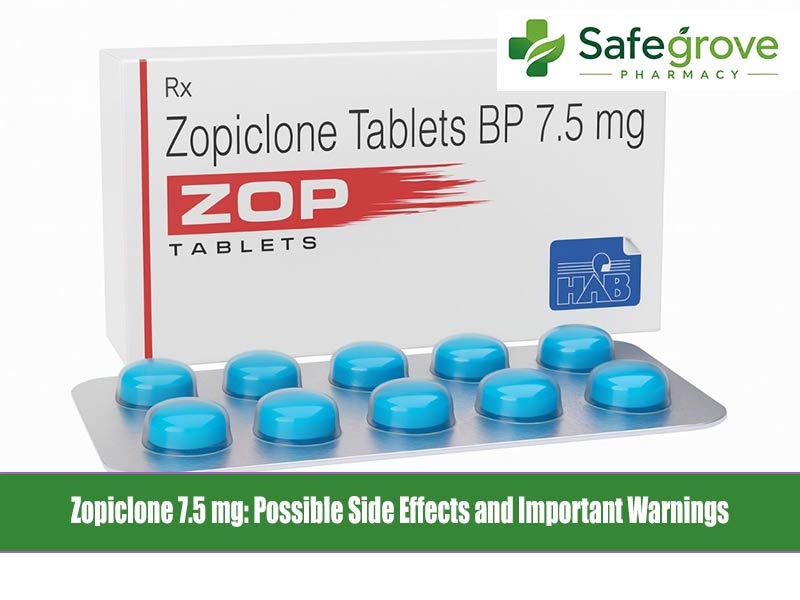
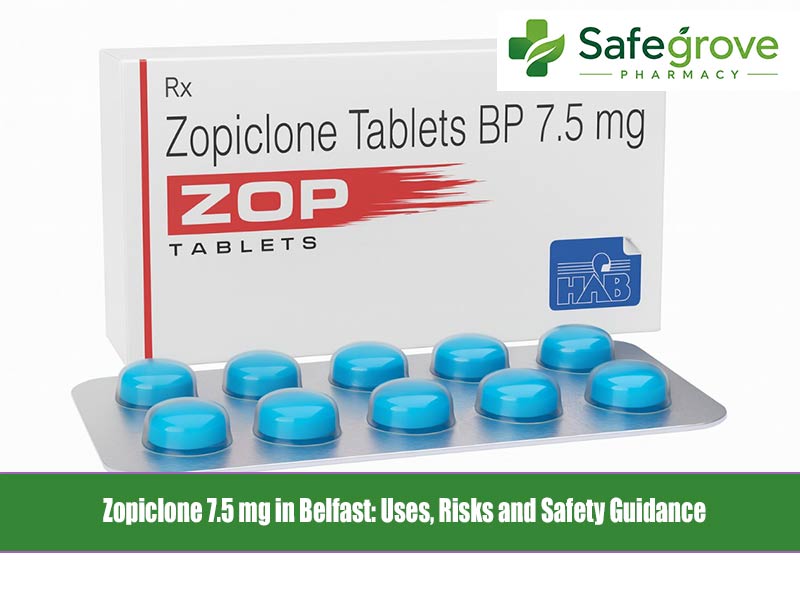
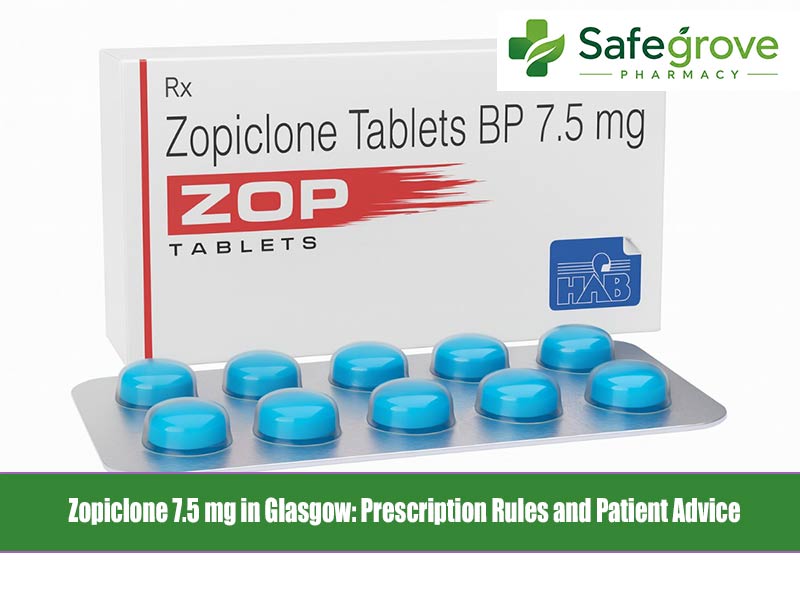
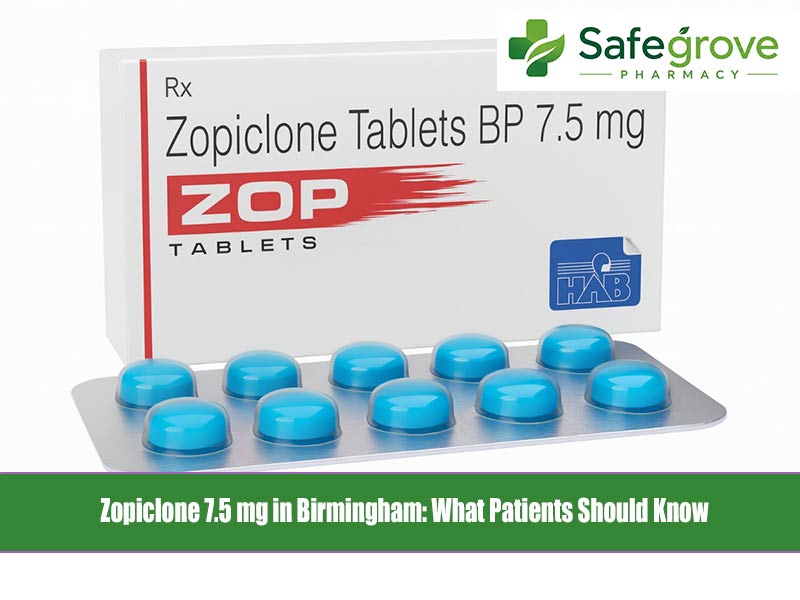
When struggling with severe, debilitating insomnia, receiving a prescription for a potent hypnotic medicine like zopiclone 7.5 mg can feel like a welcome turning point toward restorative rest. However, because zopiclone is a powerful, regulated prescription-only medicine in the United Kingdom, understanding its full safety profile is just as important as knowing how to take it. Every medication carries a balance of therapeutic benefits and potential risks, and being fully informed about possible adverse reactions helps protect your health, safety, and wellbeing.
At Zopiclone Direct UK, we believe that responsible healthcare begins with transparent clinical education. Whether you are reviewing your Patient Information Leaflet (PIL) in London, Birmingham, Manchester, Belfast, or anywhere across the UK, this comprehensive guide examines the side effects, drug interactions, black-box warnings, and safety precautions associated with zopiclone 7.5 mg tablets.
Zopiclone is a non-benzodiazepine hypnotic agent belonging to the class of medications commonly known as “Z-drugs.” It is prescribed exclusively for the short-term management of severe, disruptive insomnia that causes profound daytime fatigue or emotional distress.
While the standard adult dose for healthy individuals under 65 is 7.5 mg taken immediately before bed, its powerful mechanism of action—enhancing gamma-aminobutyric acid (GABA) activity in the central nervous system—means that its effects extend beyond simple sleep induction. Because zopiclone depresses neural activity, it also affects coordination, cognitive processing, and physical reflexes, making an awareness of side effects and safety warnings vital for every patient.
Common Side Effects of Zopiclone 7.5 mg
Like all licensed medicines, zopiclone can cause side effects, though not everyone experiences them. Common side effects typically occur during the first few days of treatment as your body adjusts to the medicine and usually resolve as the course concludes.
Dysgeusia (Metallic or Bitter Taste): This is the single most frequently reported side effect of zopiclone. Many patients describe an unpleasant, lingering metallic or bitter taste in their mouth. This occurs because trace amounts of the active ingredient and its metabolites are excreted into saliva.
Dry Mouth: Reduced salivary flow during the night can leave you waking up with a dry, parched throat. Keeping a glass of water by your bedside can help alleviate this symptom.
Next-Day Drowsiness (The “Hangover” Effect): If zopiclone’s sedative action persists into the morning, you may experience residual tiredness, grogginess, slowed reaction times, or a dazed feeling. This is more likely if you sleep for fewer than 7 to 8 hours after taking your tablet.
Dizziness, lightheadedness, mild headaches, gastrointestinal upset (such as nausea or indigestion), vivid dreams, nightmares, and feelings of physical or mental fatigue.
Rare (up to 1 in 1,000 people)
Anterograde amnesia (gaps in memory for events occurring after taking the tablet), skin rashes, itching, mild confusion, irritability, aggressiveness, and an increased risk of nocturnal falls—particularly in older adults.
Serious Warnings and Red-Flag Symptoms
While most side effects are mild and manageable, zopiclone 7.5 mg carries important warnings regarding serious, potentially hazardous reactions. If you or a caregiver notice any of the following red-flag symptoms, stop taking zopiclone immediately and seek urgent medical attention (via your GP, NHS 111, or emergency services):
1. Complex Sleep Behaviours (Parasomnias)
A well-documented, serious warning associated with Z-drugs is the potential for complex sleep behaviours. Some individuals have engaged in activities while not fully awake—such as sleep-walking, sleep-driving, preparing and eating food, making phone calls, or engaging in other automated tasks—with absolutely no memory of the event the morning after. If you experience any complex sleep behaviour, your doctor will advise stopping zopiclone permanently.
2. Severe Allergic Reactions (Anaphylaxis)
Though rare, severe hypersensitivity reactions can occur. Seek emergency medical help if you develop sudden facial swelling, swelling of the lips, tongue, or throat, wheezing, tightness in the chest, or severe difficulty breathing.
3. Psychiatric and Behavioural Disturbances
Hypnotics can occasionally trigger paradoxical reactions, particularly in older adults or individuals with underlying psychiatric vulnerabilities. Warnings include acute confusion (delirium), visual or auditory hallucinations (seeing or hearing things that are not real), severe mood drops, uncharacteristic agitation, or thoughts of self-harm.
Critical Drug Interactions: Alcohol, Opioids, and Sedatives
Because zopiclone depresses central nervous system function, combining it with other substances that slow down brain activity or alter drug metabolism can lead to severe, life-threatening complications.
Never drink alcohol while taking zopiclone. Alcohol and zopiclone act synergistically to intensify sedation. Together, they can induce an unnaturally deep state of unconsciousness where your breathing slows to dangerous levels (respiratory depression) and you become extremely difficult to wake up. Even small amounts of alcohol can heighten next-day impairment and trigger complex sleep behaviours.
2. Opioid Painkillers
Co-administering zopiclone with strong opioid analgesics (such as codeine, tramadol, morphine, oxycodone, or fentanyl) significantly multiplies the risk of profound sedation, respiratory depression, coma, and fatal overdose. Clinicians avoid this combination unless medically imperative under strict specialist supervision.
3. Other Sedating Medications and Enzyme Modulators
CNS Depressants: Combining zopiclone with antidepressants, antipsychotics, anti-anxiety medications, or sedating antihistamines compounds daytime drowsiness and cognitive impairment.
CYP3A4 Inhibitors/Inducers: Medications that affect liver enzymes—such as erythromycin, clarithromycin, or ketoconazole—can alter how quickly your body clears zopiclone, potentially increasing drug toxicity or reducing efficacy.
Driving, Machinery, and the Mandatory 12-Hour Rule
Under UK transport legislation, driving while impaired by prescription medication is a serious criminal offence. Because zopiclone 7.5 mg impacts coordination, alertness, and judgment:
The 12-Hour Rule: You must not drive a car, ride a bicycle, or operate heavy machinery for at least 12 hours after taking your zopiclone tablet.
Assess Personal Alertness: Even after 12 hours have passed, do not drive if you still feel drowsy, dizzy, clumsy, or unfocused. Only get behind the wheel when you are entirely free from residual sedation.
Tolerance, Dependence, and Withdrawal Warnings
One of the most critical warnings regarding zopiclone 7.5 mg is its potential for causing tolerance and physical or psychological dependence.
The 2 to 4 Week Limit: Because the brain adapts quickly, zopiclone loses its sleep-inducing efficacy after a few weeks of continuous nightly use. To prevent addiction, UK clinical guidelines restrict prescriptions to a maximum of 2 to 4 weeks (including tapering).
Withdrawal Symptoms: Stopping zopiclone abruptly after prolonged use can trigger uncomfortable withdrawal effects, including rebound insomnia (worsened sleep), severe anxiety, tremors, sweating, muscle aches, and heart palpitations. Discontinuation should always follow a gradual dose-tapering schedule guided by your GP or pharmacist.
Special Patient Precautions: Older Adults and Pregnancy
Older Adults (Aged 65+):Elderly patients are significantly more sensitive to the central nervous system effects of hypnotics. They face a higher risk of next-day confusion, dizziness, and nocturnal falls. Consequently, prescribers frequently select the lower 3.75 mg strength rather than 7.5 mg.
Pregnancy and Breastfeeding:Zopiclone is generally contraindicated during pregnancy, particularly near term, due to risks of neonatal respiratory depression or withdrawal symptoms. It also passes into breast milk. Never co-sleep with an infant while taking sedating sleep aids.
1. What are the most common side effects of zopiclone 7.5 mg?
The most frequent side effects reported by patients include a bitter or metallic taste in the mouth (dysgeusia), a dry mouth, and feeling drowsy, tired, or dazed the following morning.
2. Can zopiclone 7.5 mg cause memory loss?
Yes, zopiclone can rarely cause anterograde amnesia, which involves having gaps in your memory for events that occurred shortly after taking the tablet, particularly if you did not get a full night’s sleep.
3. What should I do if I experience complex sleep behaviours?
If you experience sleepwalking, sleep-driving, or performing other activities while not fully awake, you must stop taking zopiclone immediately and contact your doctor for an urgent clinical review.
4. Can I drink alcohol while taking zopiclone 7.5 mg?
No, you must never consume alcohol while taking zopiclone. The combination severely depresses your central nervous system, suppresses breathing during sleep, and increases dangerous side effects.
5. Why does zopiclone leave a metallic taste in the mouth?
A metallic or bitter taste occurs because active metabolites of zopiclone are excreted into saliva. This side effect is harmless, though unpleasant, and typically fades as the medication wears off.
6. Is zopiclone 7.5 mg addictive?
Yes, zopiclone carries a risk of physical and psychological dependence if taken regularly for more than a few weeks, which is why UK guidelines restrict prescriptions to a maximum of 2 to 4 weeks.
7. What are the symptoms of zopiclone withdrawal?
Stopping zopiclone abruptly after continuous use can cause rebound insomnia, heightened anxiety, shaking, sweating, muscle tension, and heart palpitations.
8. Can I drive the morning after taking zopiclone 7.5 mg?
You must wait at least 12 hours after taking zopiclone before driving, cycling, or operating machinery, and only if you feel completely alert without any lingering drowsiness.
9. Why might a doctor prescribe 3.75 mg instead of 7.5 mg?
A lower dose of 3.75 mg is prescribed for older adults (aged 65+) or patients with liver or kidney impairment to minimize the risk of excessive morning sedation, confusion, and falls.
10. Where can I find official safety information for my zopiclone tablets?
You can read the official manufacturer’s Patient Information Leaflet (PIL) included inside your medicine box or search for your specific product on the Electronic Medicines Compendium (emc) website.