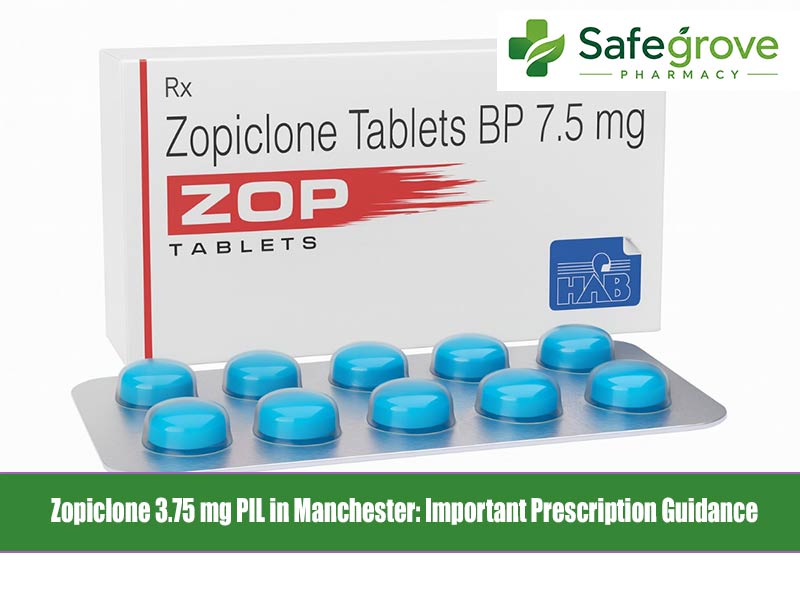
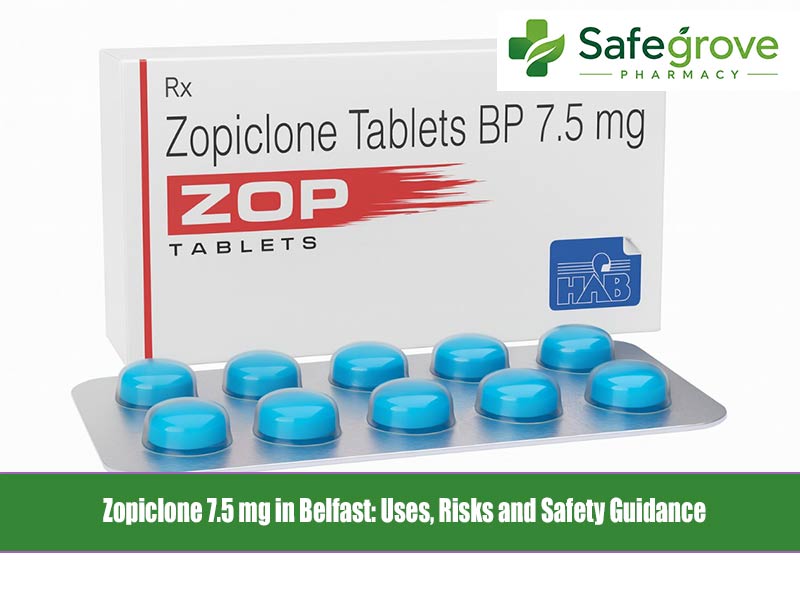
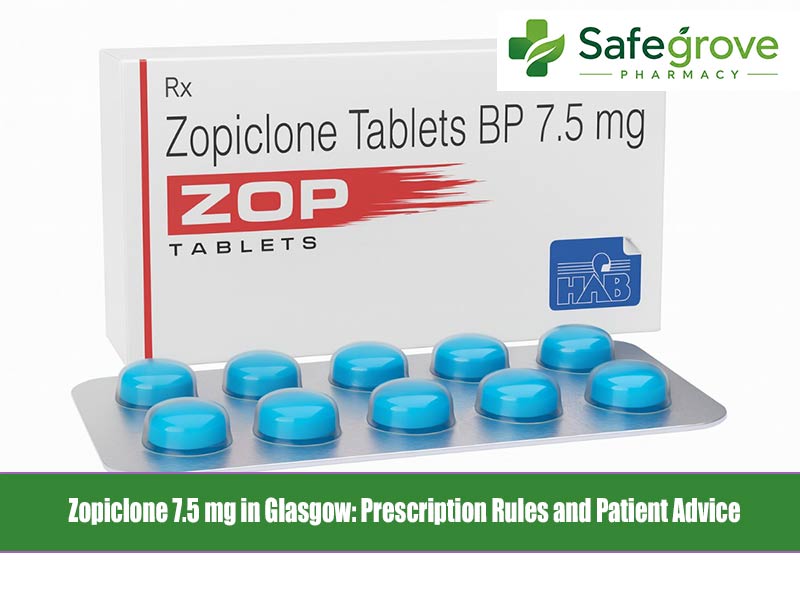
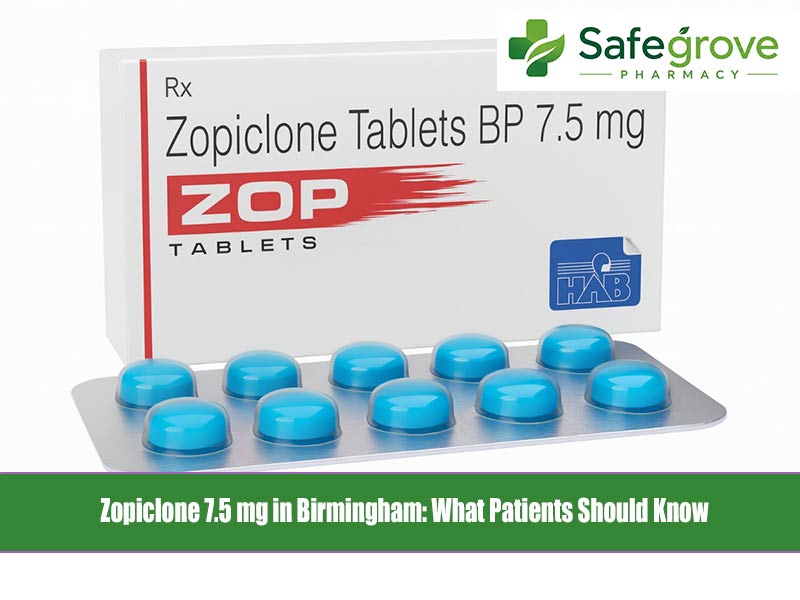
Opening a newly dispensed box of prescription sleeping tablets at night—only to realise the paper leaflet inside has been misplaced, discarded, or printed in tiny text—is a common frustration for patients across Manchester and Greater Manchester. When you are already exhausted from disrupted sleep, trying to verify whether you can take your tablet after a late meal, how long you must wait before driving down the Mancunian Way the next morning, or why you woke up with a metallic taste in your mouth requires fast, reliable answers.
Understanding your zopiclone 3.75 pil is essential for using this prescription-only medicine safely. While online summaries are helpful, UK regulatory guidance emphasises checking the exact Patient Information Leaflet (PIL) approved for the specific brand and manufacturer dispensed by your pharmacy.
At Zopiclone Direct UK, we help patients across Manchester—from Deansgate, Didsbury, and Chorlton to Salford, Stockport, and Trafford—and throughout the wider United Kingdom navigate official prescription guidance with clarity and clinical responsibility. Below, you will find a complete, plain-English breakdown of what the official zopiclone 3.75 mg patient information leaflet contains, where to view verified UK PDFs, and the critical safety rules every patient must follow.
Quick Navigation: What You Will Learn
-
Understanding the PIL: Why the leaflet inside your specific box matters.
-
Official UK Links: Direct access to verified emc, MHRA, and NHS resources.
-
Clinical Overview: What zopiclone 3.75 mg is and how it works in the brain.
-
The 6 Core PIL Sections: Dosage, contraindications, interactions, side effects, and storage.
-
Critical Safety Rules: Alcohol restrictions, the 12-hour driving rule, and dependence/withdrawal guidance.
-
3.75 mg vs 7.5 mg Comparison: How strengths and leaflets differ across UK manufacturers.
What Does PIL Mean and Why Should You Read Your Own Leaflet?
A Patient Information Leaflet (PIL) is the legally required, regulator-approved document packaged inside every licensed medicine box in the UK. Reviewed and authorised by the Medicines and Healthcare products Regulatory Agency (MHRA), the PIL translates complex clinical data from the Summary of Product Characteristics (SmPC) into clear, accessible instructions for patients and caregivers.
Why Your Specific Box Matters
In the UK, pharmacies dispense generic zopiclone 3.75 mg tablets produced by several licensed Marketing Authorisation Holders (such as Accord-UK Ltd, Teva UK Limited, Sanofi, and others). While every UK-licensed zopiclone 3.75 mg tablet contains the exact same active ingredient and meets identical pharmaceutical standards for quality, safety, and efficacy:
-
Excipients (inactive ingredients) vary: One manufacturer’s film-coated tablet may contain lactose monohydrate or specific colourings that another brand omits. If you have severe lactose intolerance or specific allergies, checking your own box’s leaflet is vital.
-
Regulatory updates occur regularly: Following recent MHRA safety reviews aimed at improving risk communication for dependency-forming medicines, manufacturers periodically update their PIL wording regarding dependence, tolerance, and overdose warnings.
-
Packaging layout differs: Tablet shapes, blister-pack markings, and storage temperatures can vary slightly between manufacturers.
Sefgrove Pharmacy Safety Check: Always match the Product Licence (PL) number printed on the end flap of your medicine carton with the digital leaflet you are reading online.
Where to Find the Official Zopiclone 3.75 mg PIL Online (UK)
If you have lost the paper insert from your prescription box, you can read or download the verified zopiclone 3.75 mg leaflet PDF using official UK medicines repositories. Keep in mind that our guide explains these rules in plain language, whereas the links below host the exact statutory regulatory documents:
What Is Zopiclone 3.75 mg and What Is It Used For?
According to Section 1 of the official zopiclone 3.75 patient information leaflet, zopiclone belongs to a group of medicines called hypnotics, commonly referred to as “Z-drugs”. Although chemically distinct from benzodiazepines, zopiclone works on the central nervous system by enhancing the activity of gamma-aminobutyric acid (GABA)—a natural calming chemical in the brain—to help initiate and maintain sleep.
Approved Clinical Uses in Adults
Zopiclone 3.75 mg tablets are a Prescription-Only Medicine (POM) licensed strictly for the short-term treatment of severe insomnia in adults aged 18 years and over. Specifically, a GP or specialist prescriber in Manchester may prescribe it when sleep disruption is severe, disabling, or causing extreme distress, including:
-
Sleep-onset insomnia: Difficulty falling asleep when going to bed.
-
Sleep-maintenance insomnia: Waking repeatedly in the middle of the night.
-
Early morning awakening: Waking too early and being unable to return to sleep.
-
Situational or mood-related insomnia: Severe sleep disturbances linked to acute stress or mental health conditions (used alongside appropriate primary care support).
Why Is the 3.75 mg Strength Prescribed?
While 7.5 mg is the standard adult dose, 3.75 mg is the starting and recommended dose for specific patient groups who metabolise the medicine more slowly or are more sensitive to sedatives. Your doctor will typically prescribe 3.75 mg if you are:
-
An older adult (elderly): Reduces the risk of next-day sedation, confusion, balance loss, and night-time falls.
-
Living with liver or kidney impairment: Slower clearance means standard doses can accumulate in the bloodstream.
-
Affected by mild-to-moderate chronic breathing difficulties: Minimises the risk of respiratory depression during sleep.
-
Sensitive to hypnotic medicines: Allows your prescriber to use the lowest effective dose first.
Inside the Zopiclone 3.75 mg PIL: Section-by-Section Breakdown
Every UK Patient Information Leaflet follows a standardised six-section layout mandated by medicines legislation. Knowing how these sections are structured helps you locate urgent safety details quickly.
| PIL Section |
Official Heading |
Key Information Covered |
| Headline Box |
Important Risk Warning |
Prominent black-bordered box warning that zopiclone can cause dependence, tolerance, and addiction, and that stopping suddenly triggers withdrawal symptoms. |
| Section 1 |
What Zopiclone is and what it is used for |
Drug class (hypnotic / Z-drug), mechanism of action, adult-only restriction (18+), and short-term insomnia indication. |
| Section 2 |
What you need to know before you take Zopiclone |
Contraindications (when not to take it), medical precautions, drug-drug interactions, alcohol ban, pregnancy/breastfeeding rules, and driving warnings. |
| Section 3 |
How to take Zopiclone |
Exact bedtime dosing (swallow whole with water), treatment duration limit (usually 2 days to 3 weeks; maximum 4 weeks), missed dose rules, overdose symptoms, and tapering advice. |
| Section 4 |
Possible side effects |
Categorised list of common, uncommon, rare, and serious side effects (including allergic reactions and complex sleep behaviours) plus Yellow Card reporting instructions. |
| Section 5 |
How to store Zopiclone |
Keeping out of sight and reach of children, expiry date rules, temperature limits (usually below 25°C), and safe pharmacy disposal. |
| Section 6 |
Contents of the pack and other information |
Active ingredient (3.75 mg zopiclone), tablet core and film-coating excipients (e.g., lactose), tablet appearance, pack sizes, and Marketing Authorisation Holder details. |
Warnings and Precautions You Must Check Before Taking Zopiclone
Section 2 of the zopiclone 3.75 mg PIL is the longest and most critical part of the leaflet. Before taking your first dose, verify that none of the absolute contraindications apply to you.
Who Must NOT Take Zopiclone 3.75 mg?
Do not take zopiclone tablets and speak to your prescriber immediately if you have:
-
Allergy (hypersensitivity): A known allergy to zopiclone or any of the tablet’s inactive ingredients.
-
Myasthenia gravis: A neuromuscular condition causing severe muscle weakness.
-
Severe respiratory failure: Serious breathing difficulties or lung disease.
-
Sleep apnoea syndrome: A condition where breathing temporarily stops during sleep.
-
Severe liver insufficiency: Advanced liver disease, as zopiclone is metabolised primarily by the liver.
-
Age under 18 years: Safety and efficacy have not been established in children or adolescents.
-
Previous complex sleep behaviours: Any history of sleepwalking or performing activities while not fully awake after taking a sleeping pill.
Conditions Requiring Extra Medical Supervision
Inform your GP or pharmacist before starting treatment if you have a history of:
-
Depression, anxiety, personality disorders, or any history of suicidal thoughts.
-
Past or current alcohol, drug, or prescription medicine dependence.
-
Mild-to-moderate kidney, liver, or breathing problems.
-
Recent use of zopiclone or similar sedatives lasting longer than four weeks.
Pregnancy and Breastfeeding
Zopiclone is not recommended during pregnancy, particularly during the first and final trimesters, as taking it late in pregnancy may cause low body temperature, floppy muscles, breathing difficulties, or withdrawal symptoms in a newborn baby. Because small amounts of zopiclone pass into breast milk, it should also be avoided while breastfeeding.
Interactions: Alcohol, Driving, and Other Medicines
One of the highest-risk areas highlighted in UK patient safety guidance involves combining zopiclone with other sedating substances or performing tasks requiring alertness too soon after a dose.
1. Zopiclone and Alcohol (Strict Avoidance)
Do not drink any alcohol while taking zopiclone. Alcohol amplifies the central nervous system depressant effect of zopiclone unpredictably. Combining them can cause:
-
Dangerously deep sedation where you are very difficult to wake.
-
Slowed or shallow breathing (respiratory depression).
-
Severe next-day impairment, memory blackouts, and complex sleep behaviours.
2. Driving and Operating Machinery (The 12-Hour Rule)
Zopiclone can cause next-day drowsiness, dizziness, blurred vision, slowed reaction times, and impaired coordination—even if you feel awake.
-
Wait at least 12 hours: Both the NHS and updated UK product leaflets advise not driving, cycling, or operating machinery for at least 12 hours after taking zopiclone.
-
Assess your alertness: Even after 12 hours have passed, do not drive if you still feel sleepy, dazed, or less alert.
-
UK Drug-Driving Law: Under Section 5A of the Road Traffic Act 1988, it is illegal in England, Scotland, and Wales to drive if your ability is impaired by any medicine—even a legitimately prescribed one. Keep your prescription slip or labelled box with you when driving in case you are stopped by Greater Manchester Police.
3. Medicine Interactions to Check with Your Pharmacist
Taking zopiclone alongside certain prescription or over-the-counter medicines can dangerously increase drowsiness or alter how fast your liver clears the tablet. Always check with a pharmacist before combining zopiclone with:
-
Opioid painkillers: Codeine, co-codamol, tramadol, morphine, oxycodone, or methadone. Concomitant use with opioids increases the risk of profound sedation, respiratory depression, coma, and death.
-
Other sedatives and anxiety medicines: Diazepam, lorazepam, temazepam, or other Z-drugs (zolpidem).
-
Antidepressants and antipsychotics: Certain SSRIs, tricyclic antidepressants, mirtazapine, quetiapine, or olanzapine.
-
Sedating antihistamines: Over-the-counter allergy or cold/flu remedies containing promethazine, chlorphenamine, or diphenhydramine.
-
Certain antibiotics and antifungals (CYP3A4 inhibitors): Erythromycin, clarithromycin, ketoconazole, or itraconazole can slow zopiclone breakdown and increase blood levels by up to 80%.
-
Epilepsy medicines and herbal remedies (CYP3A4 inducers): Carbamazepine, phenytoin, rifampicin, and St John’s wort can speed up zopiclone clearance, making your sleeping tablet less effective.
How to Take Zopiclone 3.75 mg Safely (Section 3 Guidance)
Following exact administration instructions reduces the likelihood of next-day grogginess and rebound insomnia:
-
Timing: Take your tablet immediately before going to bed, once you are ready to sleep for the night. Zopiclone typically begins working within 30 to 60 minutes.
-
Administration: Swallow the tablet whole with a full glass of water. Do not crush, split (unless scored and directed by your doctor), or chew the tablet, as damaging the film coating exposes the intensely bitter active ingredient.
-
Single nightly dose only: Never take a second tablet during the same night if you wake up early.
-
Missed dose rule: If you forget to take your dose at bedtime, skip it completely and wait until the following night. Never take zopiclone during the day and never double your dose.
-
Duration of course: UK guidelines restrict zopiclone to the shortest possible period—usually 2 days to 3 weeks, and no longer than 4 weeks including tapering.
Possible Side Effects: Common Reactions vs Urgent Warning Signs
Like all medicines, zopiclone 3.75 mg can cause side effects, although not everyone gets them. Using the lower 3.75 mg dose often reduces the intensity of next-day sedation compared to the 7.5 mg strength.
Common Side Effects (May Affect Up to 1 in 10 People)
-
A bitter or metallic taste in your mouth (dysgeusia): The most frequently reported side effect, caused by trace amounts of zopiclone being excreted in saliva.
-
Dry mouth: Sipping water before bed and keeping water by your bedside can help.
-
Next-day drowsiness or tiredness (somnolence): Feeling sleepy, dazed, or less alert the following morning.
Uncommon and Rare Side Effects
-
Headache, dizziness, or light-headedness.
-
Nausea, vomiting, or indigestion.
-
Nightmares, agitation, irritability, or confusion.
-
Reduced alertness, memory lapses (anterograde amnesia—especially if woken within a few hours of taking the tablet), or muscle weakness.
When to Seek Urgent Medical Help
Stop taking zopiclone and contact a doctor immediately—or call NHS 111 / 999 in an emergency—if you experience any of the following serious warning signs:
-
Severe allergic reaction (anaphylaxis/angioedema): Swelling of your lips, face, tongue, or throat, difficulty swallowing or breathing, or a raised, itchy skin rash (urticaria).
-
Complex sleep behaviours: Sleepwalking, preparing or eating food, making phone calls, having sex, or driving while not fully awake, with no memory of the event the next morning.
-
Severe psychiatric or mood changes: Hallucinations (seeing or hearing things that are not real), delusions, severe confusion (delirium), aggressive behaviour, worsening depression, or thoughts of self-harm.
-
Overdose symptoms: Extreme drowsiness, floppy muscles, shallow or slow breathing, loss of balance, or difficulty waking up.
Reporting Side Effects: Patients in Manchester and across the UK can report suspected side effects directly to the MHRA via the Yellow Card Scheme at yellowcard.mhra.gov.uk.
Dependence, Tolerance, and Safe Withdrawal Guidance
Every UK zopiclone 3.75 mg PIL carries a prominent warning at the top of the leaflet regarding tolerance, physical and psychological dependence, and withdrawal:
-
Tolerance: If taken continuously for more than a few weeks, your brain adapts to zopiclone, meaning the same 3.75 mg dose may become less effective at helping you sleep. Never increase your dose without explicit medical instruction.
-
Dependence: The risk of developing dependence increases with higher doses and longer treatment durations, as well as in patients with a history of alcohol or substance misuse.
-
Rebound insomnia and withdrawal: Stopping zopiclone abruptly after regular use can trigger temporary rebound insomnia (where sleep problems return worse than before for a few nights) alongside withdrawal symptoms such as anxiety, restlessness, sweating, tremors, headaches, muscle aches, palpitations, and heightened sensitivity to light or noise.
How to stop safely: Always speak with your GP or prescribing clinician before stopping or altering your dose. If you have taken zopiclone for more than a short course, your doctor will design a gradual tapering schedule tailored to you.
Zopiclone 3.75 mg vs 7.5 mg PIL: Key Differences Explained
Many UK manufacturers publish a combined Patient Information Leaflet covering both tablet strengths, while others issue separate leaflets. Here is how the two strengths compare:
| Feature |
Zopiclone 3.75 mg Tablets |
Zopiclone 7.5 mg Tablets |
| Active Ingredient |
3.75 mg zopiclone per film-coated tablet |
7.5 mg zopiclone per film-coated tablet |
| Typical Patient Group |
Older adults (elderly), patients with liver, kidney, or mild respiratory impairment, and sensitive adults |
Standard adult starting dose when lower-dose precautions do not apply |
| Tablet Appearance |
Often smaller, round or oval film-coated tablets (colour/markings vary by UK manufacturer) |
Often larger, oval/capsule-shaped film-coated tablets, sometimes with a break-line |
| Core Safety Warnings |
Identical warnings on alcohol, 12-hour driving restriction, opioids, dependence, and withdrawal |
Identical warnings, with higher baseline risk of next-day sedation |
| Leaflet Format |
Available as standalone 3.75 mg PILs or combined 3.75 mg / 7.5 mg PILs on emc |
Available as standalone 7.5 mg PILs or combined 3.75 mg / 7.5 mg PILs on emc |
Prescription Guidance for Patients in Manchester & Across the UK
Because zopiclone is a regulated prescription medicine—classified in the UK as a Schedule 4 (Part 1) Controlled Drug—it cannot be purchased over the counter or supplied without a valid prescription from an authorised UK prescriber.
For patients living in Manchester and surrounding areas, safe management of short-term insomnia involves:
-
Consulting your NHS GP or local sleep service: Discussing underlying causes of insomnia (such as shift work, stress, pain, or anxiety) and exploring first-line non-drug treatments like Cognitive Behavioural Therapy for Insomnia (CBT-I).
-
Speaking with a UK-registered pharmacist: Whether you visit a community pharmacy in Manchester city centre or use a regulated online pharmacy service like Zopiclone Direct UK, a pharmacist can check your current medicines for interactions, explain your specific brand’s PIL, and advise on safe storage and disposal of unused tablets.
-
Remembering the limits of a PIL: A Patient Information Leaflet provides essential standardised safety facts, but it cannot assess your personal medical history, kidney function, or concurrent prescriptions. Always follow the personalised dosing label printed by your dispensing pharmacist.
Frequently Asked Questions
1. What does PIL mean for zopiclone 3.75 mg?
PIL stands for Patient Information Leaflet. For zopiclone 3.75 mg, the PIL is the official, MHRA-approved paper insert included inside your medicine box that explains what the sleeping tablets are used for, how to take them safely, potential side effects, and drug interactions.
2. Where can I find the official zopiclone 3.75 mg patient information leaflet PDF?
You can view or download the official zopiclone 3.75 mg leaflet PDF on the Electronic Medicines Compendium (emc) (medicines.org.uk) or the MHRA Products website (products.mhra.gov.uk). Match the manufacturer name and Product Licence (PL) number on your tablet box to ensure you read the exact leaflet for your dispensed brand.
3. Why was I prescribed zopiclone 3.75 mg instead of 7.5 mg?
Doctors prescribe zopiclone 3.75 mg as the safer starting dose for older adults (typically aged 65 and over) and for adults with liver problems, kidney impairment, or mild breathing conditions. Because these groups clear zopiclone more slowly, the 3.75 mg strength lowers the risk of next-day drowsiness, confusion, and falls.
4. How long does zopiclone 3.75 mg take to work, and how long does it last?
Zopiclone 3.75 mg usually starts working within 30 to 60 minutes of swallowing the tablet with water, so you should only take it immediately before getting into bed. Its sedative effects last through the night, though mild drowsiness can persist for up to 12 hours.
5. Can I drive the morning after taking zopiclone 3.75 mg?
No, you must not drive, ride a bike, or operate machinery for at least 12 hours after taking zopiclone 3.75 mg. Even after 12 hours, do not drive if you feel sleepy, dizzy, or less alert, as driving while impaired by prescription medicine is illegal in the UK.
6. Can I drink alcohol while taking zopiclone 3.75 mg?
No. Official UK leaflets strictly advise avoiding alcohol completely while taking zopiclone. Combining alcohol and zopiclone dangerously enhances sedation, increases the risk of severe breathing difficulties during sleep, and can make you very difficult to wake.
7. Why does zopiclone 3.75 mg leave a bitter or metallic taste in my mouth?
A bitter or metallic taste (dysgeusia) is the most common side effect of zopiclone, affecting up to 1 in 10 patients. It occurs because small amounts of the medicine are excreted into your saliva. Swallowing the film-coated tablet whole without crushing or chewing it helps prevent immediate bitterness.
8. Are the zopiclone 3.75 mg and 7.5 mg patient information leaflets the same?
Most UK manufacturers use a combined leaflet covering both zopiclone 3.75 mg and 7.5 mg tablets, meaning the warnings, contraindications, side effects, and interaction rules are identical. However, Section 3 and Section 6 specify different dosing instructions and tablet descriptions for each strength.
9. What happens if I stop taking zopiclone 3.75 mg suddenly?
Stopping zopiclone suddenly—especially after taking it for several weeks—can cause temporary rebound insomnia alongside withdrawal symptoms such as anxiety, restlessness, sweating, headaches, muscle aches, and irritability. Always consult your GP or prescriber so they can reduce your dose gradually if needed.
10. Who should I contact in Manchester if I have questions about my zopiclone prescription?
If you have questions about your zopiclone 3.75 mg PIL, missed doses, or potential interactions with other medicines, speak with your NHS GP, a UK-registered pharmacist at Zopiclone Direct UK, or call NHS 111 for urgent out-of-hours medical advice. Always call 999 if someone shows signs of an overdose or severe allergic reaction.