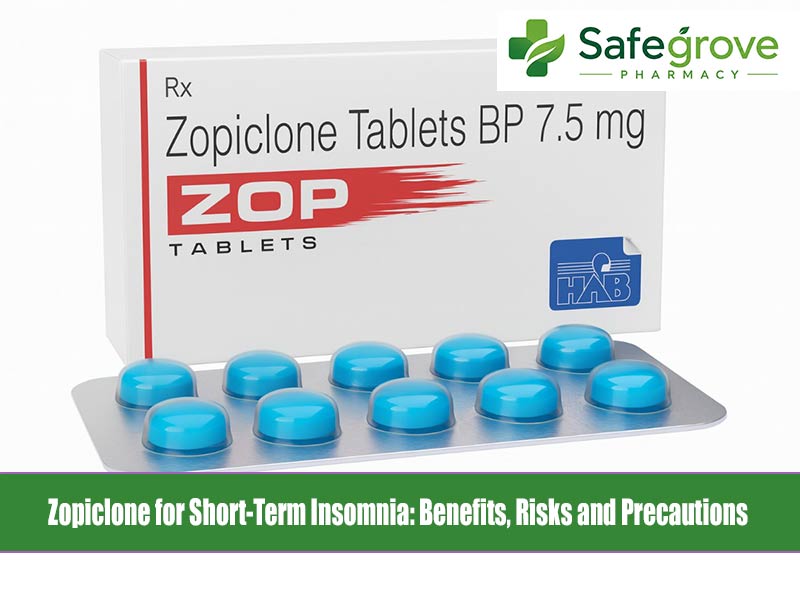
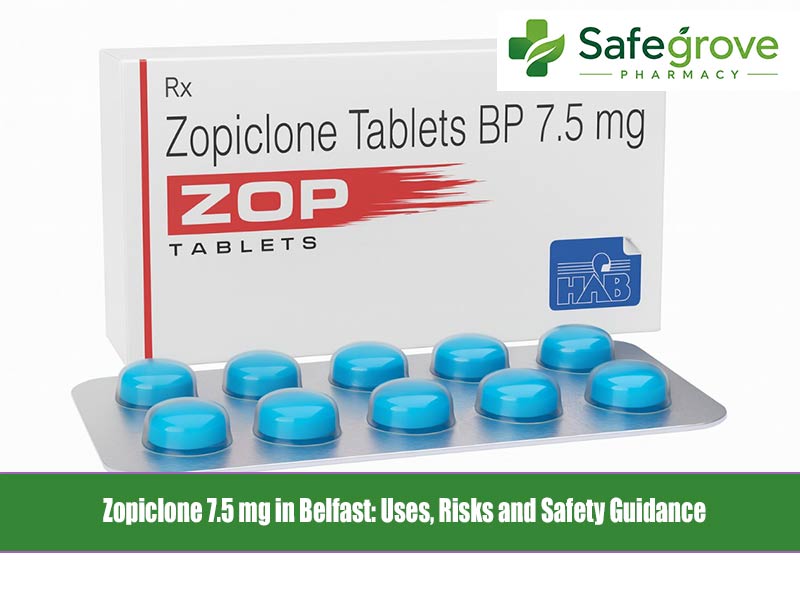
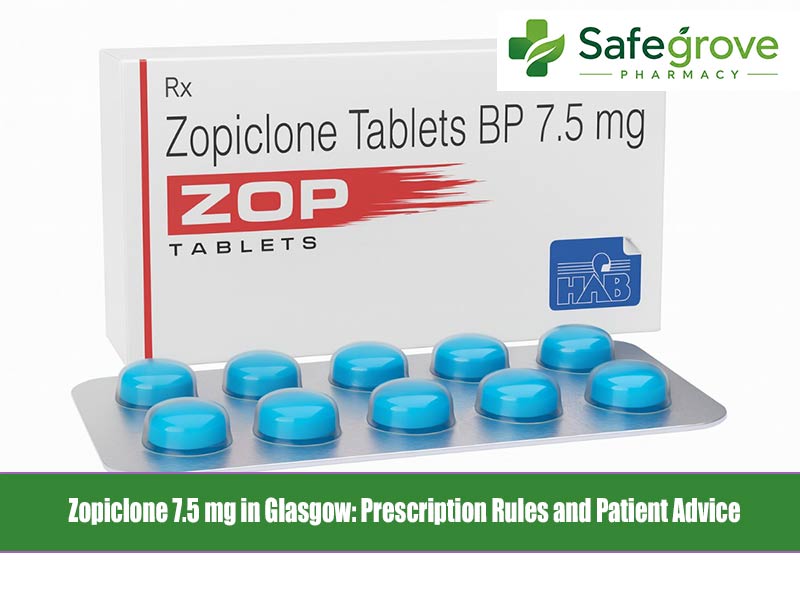
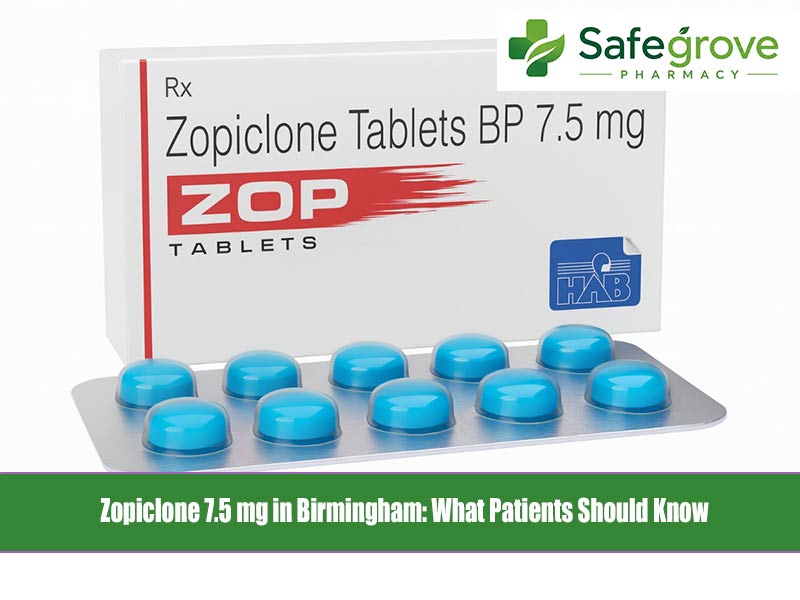
Experiencing severe sleep difficulties can severely impact your mental wellbeing, physical health, and daily productivity. When acute insomnia disrupts your ability to function, healthcare providers may occasionally prescribe specialized sleeping medications. Among these, zopiclone is one of the most widely recognized prescription treatments in the UK.
At Zopiclone Direct UK, we emphasize patient safety, clinical education, and responsible medicine use. This comprehensive guide explores everything you need to know about using Zopiclone for short-term insomnia, including its therapeutic benefits, potential side effects, safety precautions, and why short-term adherence is essential.
What Is Zopiclone?
Zopiclone is a prescription-only sleeping tablet classified chemically as a cyclopyrrolone. Although it is structurally distinct from traditional benzodiazepines, it acts on similar neural pathways and is commonly referred to as a “Z-drug”.
- Drug Class: Non-benzodiazepine hypnotic (Cyclopyrrolone / Z-drug)
- Legal Category: Prescription-Only Medicine (Schedule 4 Controlled Drug)
- Indication: Short-term management of severe, disabling insomnia
- Standard Strengths: 3.75 mg and 7.5 mg film-coated tablets
Zopiclone works by interacting with GABA-A receptors in the brain, enhancing the calming effects of the neurotransmitter gamma-aminobutyric acid (GABA) to reduce central nervous system activity and induce sleep.
The Role of Zopiclone in Treating Short-Term Insomnia
Insomnia can be transient, short-term, or chronic. Zopiclone is specifically indicated for acute, severe insomnia that causes extreme personal distress or prevents normal daytime functioning. It helps address:
- Sleep Onset Insomnia: Difficulty falling asleep when first getting into bed.
- Sleep Maintenance Insomnia: Frequent waking throughout the night with trouble returning to sleep.
- Acute Situational Stress: Severe sleep disruption triggered by major life events, grief, or sudden schedule changes.
Clinical guidelines from the NHS and the British National Formulary (BNF) stipulate that Zopiclone should only be prescribed for 2 to 4 weeks maximum. Extended use is avoided because the medication loses its efficacy over time as the body develops a tolerance.
Therapeutic Benefits of Zopiclone
When used under strict medical supervision for acute sleep disruption, Zopiclone offers several clinical benefits:
- Rapid Sleep Induction: Typically helps patients fall asleep within 30 to 60 minutes of ingestion.
- Improved Sleep Continuity: Reduces nocturnal awakenings, helping patients achieve a stable stretch of rest.
- Restored Daytime Functioning: Alleviates acute sleep deprivation, supporting mood, concentration, and energy levels the following day.
Potential Risks and Side Effects
Like all prescription medicines, Zopiclone carries potential side effects and risks that patients must understand before starting treatment.
Common Side Effects
- Metallic or Bitter Taste: A very frequent side effect caused by the excretion of drug metabolites in saliva.
- Dry Mouth: Mild mucosal dryness upon waking.
- Next-Day Drowsiness: Feeling sluggish, lightheaded, or less alert the following morning.
Rare and Serious Risks
- Complex Sleep Behaviours: Engaging in activities like sleep-driving, preparing food, or making phone calls while not fully awake, with no memory of the event.
- Hypersensitivity Reactions: Severe skin rashes, facial swelling, or breathing difficulties requiring emergency medical care.
- Next-Day Impairment: Reduced motor coordination and reflex speeds, making driving or operating machinery dangerous.
Safety Precautions and Essential Warnings
Because Zopiclone is a potent sedative, strict precautions must be observed during treatment:
- Driving and Machinery: Do not drive, ride a bicycle, or operate heavy machinery for at least 12 hours after taking a dose, as residual medication can impair reaction times.
- Alcohol Avoidance: Never consume alcohol while taking Zopiclone. Alcohol intensifies central nervous system depression, raising the risk of dangerous respiratory depression, deep unarousable sleep, and cognitive impairment.
- Prescription Compliance: Always take the exact dose prescribed by your GP or clinician. Never increase your dose or take tablets for longer than recommended.
Dependence, Tolerance, and Withdrawal
Prolonged use of Zopiclone changes how brain receptors respond, leading to specific challenges:
- Tolerance: The body adapts to the medication, meaning the standard dose gradually becomes less effective at inducing sleep.
- Dependence: Psychological and physical reliance can develop if the drug is used beyond a few weeks.
- Rebound Insomnia: Stopping Zopiclone abruptly often causes temporary sleep difficulties that are more intense than your original insomnia.
- Withdrawal Symptoms: Can include heightened anxiety, tremors, sweating, muscle tension, and perceptual changes.
Safe Discontinuation
If you have taken Zopiclone regularly for more than a few days, never stop taking it abruptly. Consult your healthcare provider, who will design a gradual tapering schedule to reduce your dose safely and minimize withdrawal effects.
Frequently Asked Questions
1. What is Zopiclone primarily prescribed for?
Zopiclone is prescribed for the short-term management of severe, acute insomnia that disrupts daily life and causes extreme distress.
2. How long does it take for Zopiclone to work?
Zopiclone typically takes effect within 30 to 60 minutes after oral ingestion and should be taken immediately before getting into bed.
3. Why is Zopiclone restricted to short-term use?
It is limited to 2 to 4 weeks because the body quickly builds a tolerance, reducing its effectiveness and increasing the risk of physical dependency.
4. Can I drink alcohol while taking Zopiclone?
No. Combining alcohol with Zopiclone significantly enhances sedative effects, slows breathing dangerously, and increases the risk of severe memory blackouts.
5. What are the most common side effects of Zopiclone?
The most frequently reported side effects are an unpleasant metallic or bitter taste in the mouth, dry mouth, and mild next-day grogginess.
6. Is it safe to drive the morning after taking Zopiclone?
You should avoid driving, cycling, or operating machinery for at least 12 hours after taking Zopiclone due to residual drowsiness and slowed reaction times.
7. What should I do if I miss a dose?
If you forget to take your tablet before bed, skip the missed dose entirely and wait until the following night. Never take a double dose or take medication in the middle of the night.
8. Can Zopiclone cause withdrawal symptoms?
Yes. Stopping Zopiclone abruptly after prolonged use can trigger withdrawal symptoms such as anxiety, shaking, sweating, and rebound insomnia.
9. How do I stop taking Zopiclone safely?
Always consult your GP or clinician before stopping. They will guide you through a gradual dose-reduction plan to step down safely.
10. Can I buy Zopiclone over the counter in the UK?
No. Zopiclone is a prescription-only medicine in the UK and cannot be purchased without a valid prescription from a registered healthcare professional.