Struggling with persistent sleeplessness can affect every part of daily life—from concentration at work and safe commuting across the West Midlands to physical health and emotional resilience. When non-drug measures are not enough to break a severe bout of insomnia, a UK prescriber may consider a short course of zopiclone 7.5 mg.
Because zopiclone is a controlled, prescription-only sleeping medicine with strict safety rules, patients in Birmingham and across the UK often have pressing questions before taking their first tablet. How quickly does it work? Why do doctors limit prescriptions to a few weeks? What should you check in the patient information leaflet, and how do legitimate UK pharmacies verify prescriptions?
This clinically grounded guide explains everything patients need to know about zopiclone 7.5 mg tablets—covering how the medicine works, official NHS and British National Formulary (BNF) dosing guidance, side effects, dangerous interactions, and safe next steps with a GP or registered UK pharmacist.
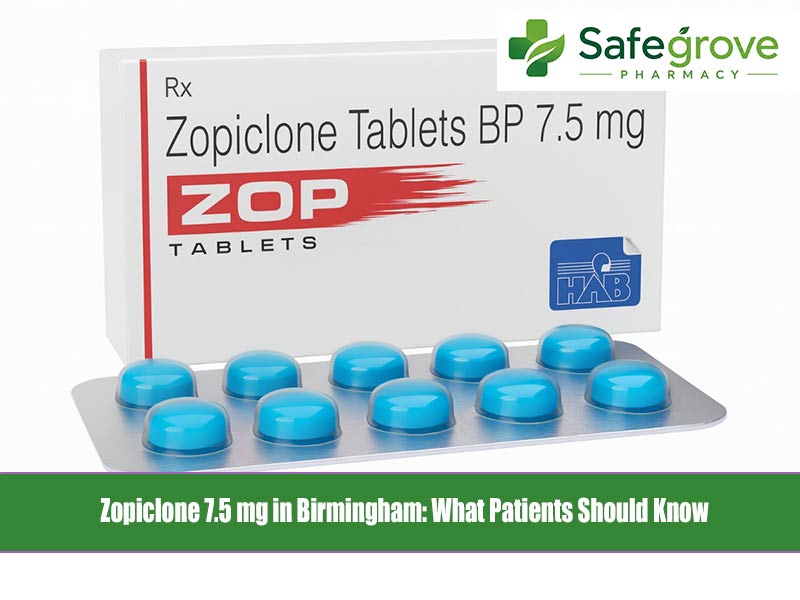
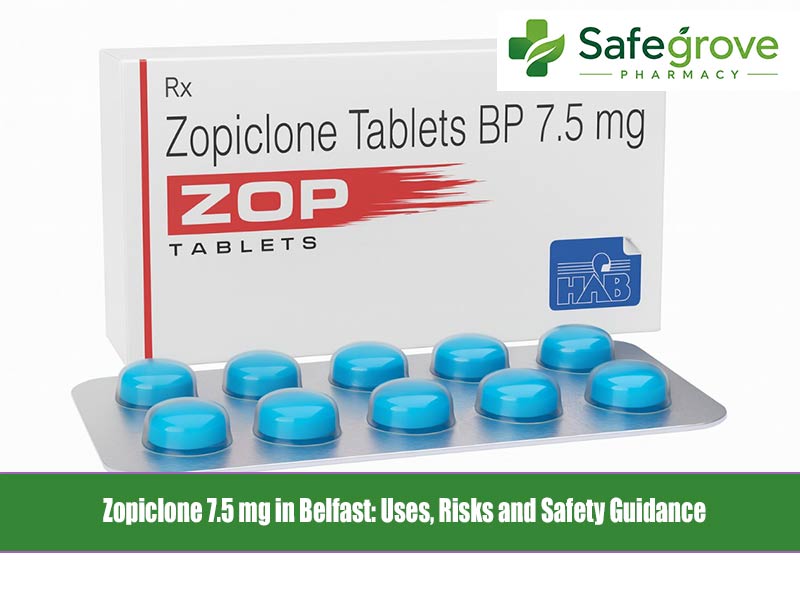
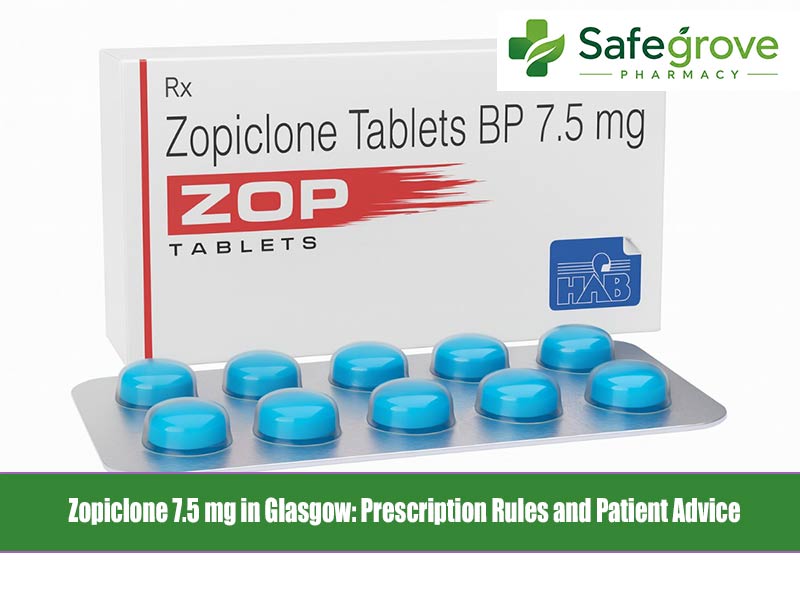
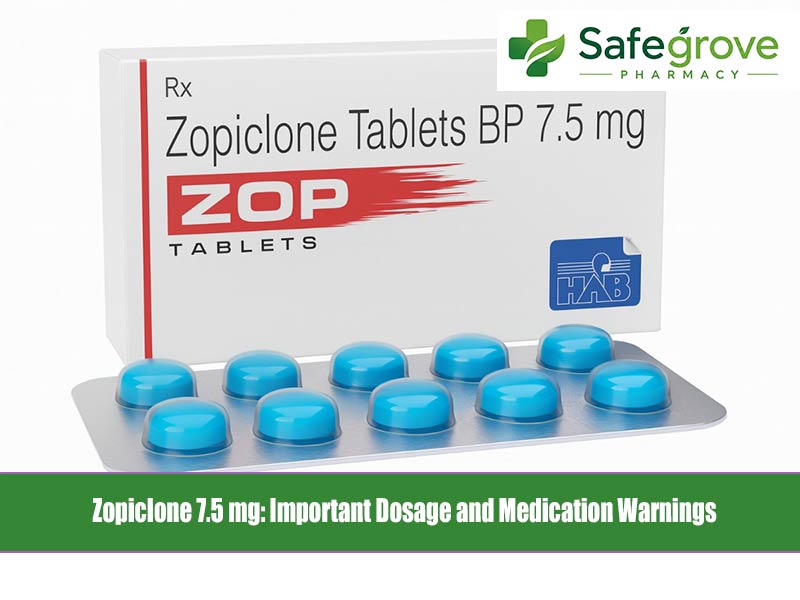
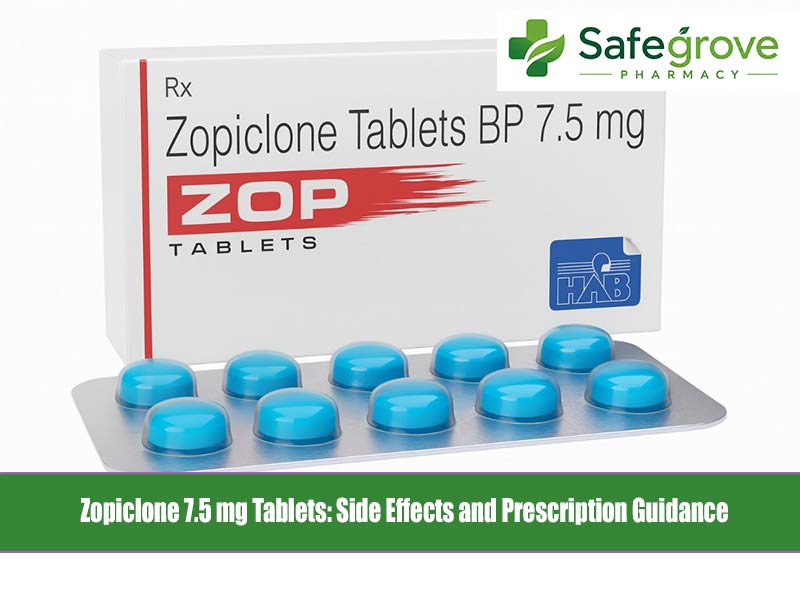
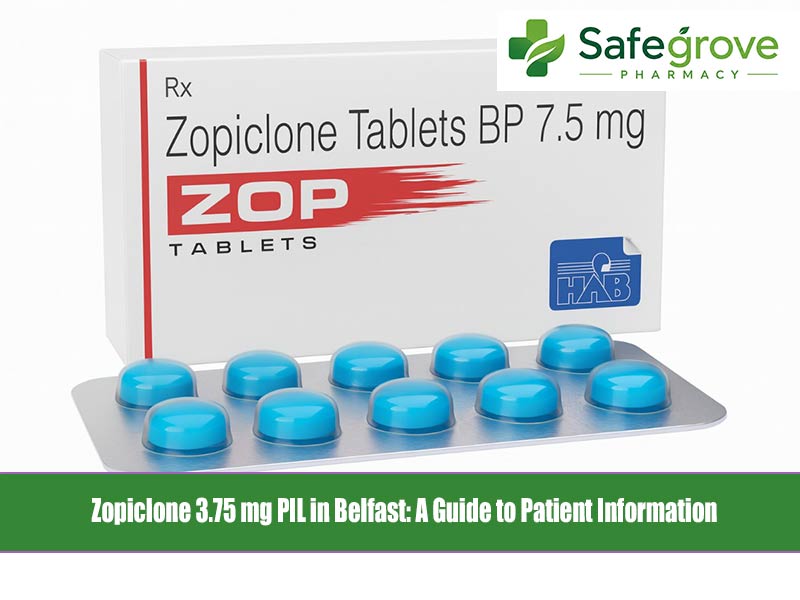
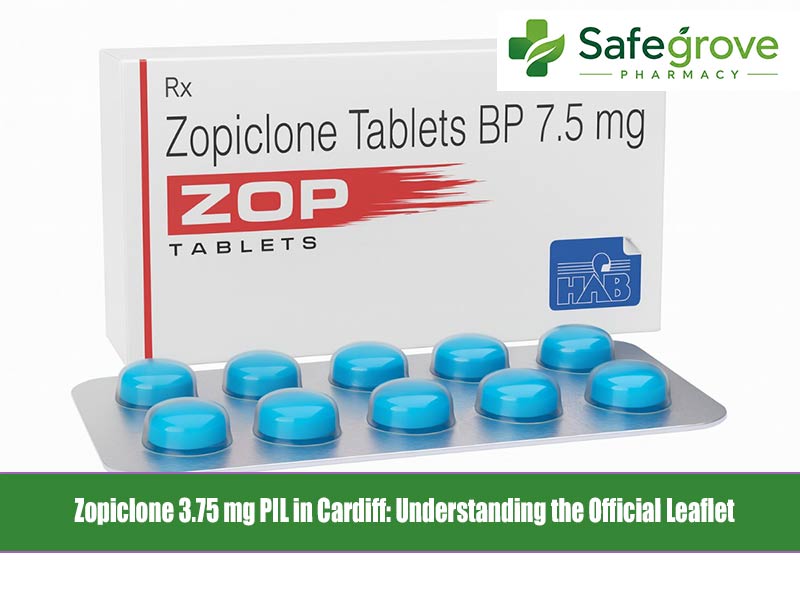
Zopiclone 7.5 mg is an oral hypnotic medicine belonging to a class of non-benzodiazepine sleeping tablets commonly known as “Z-drugs”. In the UK, it is classified as a Prescription-Only Medicine (POM) and a Schedule 4 Controlled Drug, meaning it can only be supplied legally by a registered pharmacy against a valid prescription issued by a qualified healthcare professional.
While zopiclone was historically marketed under brand names such as Zimovane and Imovane, most UK NHS and private prescriptions today are dispensed as generic zopiclone 7.5mg film-coated tablets (alongside a lower 3.75 mg tablet strength and specialist oral liquid formulations for patients with swallowing difficulties).
Key Medicine Facts at a Glance
| Feature |
Clinical & Regulatory Detail (UK) |
| Active Ingredient |
Zopiclone (7.5 mg per standard adult tablet) |
| Drug Class |
Cyclopyrrolone hypnotic (“Z-drug”) |
| Legal Classification |
Prescription-Only Medicine (POM) / Schedule 4 (Part 1) Controlled Drug |
| Primary Licensed Use |
Short-term treatment of severe, debilitating insomnia in adults (18+) |
| Onset of Action |
Approximately 30 to 60 minutes after swallowing |
| Typical Treatment Duration |
A few days up to 2–4 weeks maximum (including tapering) |
What Is Zopiclone Prescribed For?
Under UK licensing and NHS clinical guidance, zopiclone 7.5 mg is used for the short-term management of severe insomnia in adults aged 18 and over when sleep disruption is debilitating or causing extreme distress.
Prescribers typically consider it for three core patterns of sleep disturbance:
-
Difficulty falling asleep (sleep-onset insomnia): Lying awake for prolonged periods despite feeling exhausted.
-
Waking during the night (sleep-maintenance insomnia): Frequent or prolonged nocturnal awakenings that fragment rest.
-
Early-morning waking: Waking significantly earlier than intended and being unable to return to sleep.
In line with National Institute for Health and Care Excellence (NICE) and NHS best practice, sleeping tablets are not intended as a first-line cure for everyday poor sleep. Clinicians generally address underlying triggers—such as acute stress, shift work, pain, anxiety, or poor sleep hygiene—and recommend evidence-based behavioural approaches like Cognitive Behavioural Therapy for Insomnia (CBT-I) alongside or instead of short-term medication.
How Does Zopiclone Work?
To understand how zopiclone works, it helps to look at how the brain winds down for sleep. Zopiclone enhances the activity of a naturally occurring calming neurotransmitter in the central nervous system called gamma-aminobutyric acid (GABA).
-
Receptor Binding: Zopiclone binds selectively to specific sites on the brain’s GABA-A receptor complex.
-
Signal Amplification: By increasing the efficiency of GABA, it slows down overactive nerve signalling across the brain.
-
Sedative & Hypnotic Effect: This central nervous system calming action shortens the time it takes to drift off, reduces night-time awakenings, and increases total sleep duration.
Although zopiclone is chemically distinct from benzodiazepines (such as diazepam or temazepam), it acts on the same GABA pathway and carries comparable risks of next-day sedation, tolerance, and dependence if used beyond recommended timeframes.
Understanding the Zopiclone Patient Information Leaflet (PIL)
Every box of zopiclone 7.5 mg tablets dispensed in the UK contains an official Patient Information Leaflet (PIL) approved by the Medicines and Healthcare products Regulatory Agency (MHRA) and published on the Electronic Medicines Compendium (emc).
Patients should always read the specific leaflet inside their dispensed pack rather than relying solely on online summaries, because different UK generic manufacturers may have slight variations in tablet excipients (such as lactose), tablet markings, or storage instructions.
When reviewing your zopiclone patient information leaflet, pay close attention to four critical sections:
-
“What you need to know before you take Zopiclone”: Lists medical conditions where the tablet must not be taken (contraindications) and warnings regarding dependence and complex sleep behaviours.
-
“Other medicines and Zopiclone”: Highlights prescription drugs, over-the-counter remedies, and herbal products that cause dangerous sedation or alter blood levels of zopiclone.
-
“How to take Zopiclone”: Confirms exact bedtime administration, swallowing instructions, and what to do if you miss a dose.
-
“Possible side effects”: Categorises reactions by frequency (from Common to Rare and Not Known) and explains how to report suspected side effects via the MHRA Yellow Card Scheme.
Prescribed Use and Why Dosing Must Be Individualised
A core principle of UK medicine safety is using the lowest effective dose for the shortest possible duration. You must never share zopiclone tablets with anyone else, adjust your dose independently, or take an extra tablet during the night if you wake up early.
-
Timing: Take your prescribed dose just before you go to bed, ensuring you have a full uninterrupted night (at least 7 to 8 hours) available for sleep.
-
Administration: Swallow the film-coated tablet whole with a glass of water. Do not crush or chew it, as this can affect absorption and intensify the bitter taste.
-
Frequency: Never take more than one single dose in any 24-hour night period. In some cases, a GP may advise intermittent dosing (such as taking a tablet only two or three nights a week rather than every night) to reduce the risk of tolerance.
-
Course Length: Prescriptions typically last from a few days up to 2 to 3 weeks, and should not exceed 4 weeks (including any gradual tapering period).
How Long Does Zopiclone Take to Work—and How Long Do Effects Last?
Onset: How Fast Does It Act?
Zopiclone takes around 30 to 60 minutes to start working after you swallow the tablet. Because peak blood levels are reached relatively quickly, you should only take it once you are ready for bed—never while still driving, cooking, or completing evening tasks.
Duration: How Long Does Zopiclone Stay in Your System?
Zopiclone has an elimination half-life of roughly 5 hours in healthy adults, meaning it generally keeps you asleep for 6 to 8 hours. However, trace sedative effects can persist into the following morning, particularly in older adults or people with reduced liver or kidney clearance.
Because residual drowsiness and slowed reaction times can occur even when you feel awake, NHS guidance advises waiting at least 12 hours after taking zopiclone before driving, cycling, or operating machinery.
Zopiclone 3.75 mg vs. 7.5 mg: Understanding the Difference
UK prescribers have access to two standard tablet strengths: zopiclone 3.75 mg and zopiclone 7.5 mg. Choosing between them is a clinical decision based on age, organ function, and sensitivity to sedatives—patients should never split or double tablets without explicit instructions from their prescriber.
| Comparison Factor |
Zopiclone 3.75 mg |
Zopiclone 7.5 mg |
| Clinical Role |
Reduced starting dose for higher-risk or sensitive patients |
Standard adult dose for severe short-term insomnia |
| Typical Patient Group |
Older adults (aged 65+), and patients with liver, kidney, or mild/moderate respiratory impairment |
Healthy adults aged 18–64 without significant organ impairment |
| Next-Day Sedation Risk |
Lower risk of morning grogginess, dizziness, and falls |
Higher risk of next-day drowsiness and impaired alertness if clearance is slow |
| Dose Adjustment Rule |
May only be increased to 7.5 mg if clinically reviewed and advised by a doctor |
Must not be exceeded; taking more than 7.5 mg increases overdose and addiction risks |
Common Side Effects and Possible Serious Reactions
Like all prescription medicines, zopiclone 7.5 mg can cause unwanted effects, although not everyone experiences them.
Common Side Effects (Affecting up to 1 in 10 people)
-
Bitter or metallic taste in the mouth (dysgeusia): The most characteristic side effect of zopiclone, often noticed upon waking. Sipping water or using a pharmacist-recommended alcohol-free mouthwash can help.
-
Dry mouth: Keeping a glass of water by your bed can ease overnight dryness.
-
Daytime drowsiness or fatigue: Feeling sleepy, dazed, or less alert the following morning.
Uncommon and Rare Side Effects
-
Uncommon (up to 1 in 100 people): Dizziness, headache, nausea or vomiting, nightmares, agitation, or physical/mental tiredness.
-
Rare (up to 1 in 1,000 people): Confusion, memory lapses (anterograde amnesia—forgetting events that happened after taking the tablet), irritability, itchy rash (urticaria), falls (especially in older adults), or reduced libido.
Serious Reactions Requiring Urgent Medical Attention
Stop taking zopiclone and seek immediate medical help if you experience any of the following:
-
Severe allergic reaction (anaphylaxis): Swelling of the lips, face, tongue, or throat, difficulty swallowing or breathing, or a severe skin rash.
-
Complex sleep behaviours: Sleepwalking, or performing activities while not fully awake—such as driving (“sleep-driving”), preparing and eating food, making phone calls, or having sex—with no memory of the event the next day.
-
Psychiatric or behavioural changes: Hallucinations (seeing or hearing things that are not real), delusions, severe confusion, agitation, or new or worsening low mood and suicidal thoughts.
-
Breathing difficulties: Shallow or slowed breathing (respiratory depression).
Patients and carers in the UK can also report suspected side effects directly to the MHRA via the Yellow Card Scheme (yellowcard.mhra.gov.uk).
Alcohol, Driving, and Activities Requiring Alertness
Strictly Avoid Alcohol
Do not drink alcohol while taking zopiclone. Both alcohol and zopiclone depress the central nervous system. Combining them creates a dangerous multiplicative effect that can lead to:
-
Profound sedation and difficulty waking up.
-
Life-threatening slowed or shallow breathing (respiratory depression).
-
A sharply higher risk of sleepwalking, complex sleep behaviours, and memory blackouts.
Driving and UK Legal Responsibilities
Zopiclone can impair coordination, vision, and reaction times the next morning. Under UK road safety laws and NHS guidance:
-
Follow the 12-hour rule: Do not drive a car, ride a motorbike or bicycle, or operate heavy machinery for at least 12 hours after taking zopiclone.
-
Assess your alertness: Even after 12 hours, do not drive if you still feel drowsy, dizzy, clumsy, or unable to concentrate.
-
UK Drug-Driving Law: Driving while impaired by a prescribed sleeping tablet is a criminal offence in England, Scotland, and Wales. Always keep proof of your valid prescription when driving, and never drive if your alertness is compromised.
Interactions with Other Medicines
Before starting zopiclone 7.5 mg, tell your GP or pharmacist about every medicine you take, including over-the-counter remedies and herbal supplements.
1. Opioids and Sedating Medicines (High Overdose Risk)
Taking zopiclone alongside other central nervous system depressants significantly increases the risk of severe drowsiness, respiratory depression, coma, and death:
-
Opioid painkillers: Codeine, tramadol, morphine, oxycodone, dihydrocodeine, fentanyl, and methadone.
-
Benzodiazepines and other sedatives: Diazepam, lorazepam, temazepam, or other sleeping tablets.
-
Antidepressants and antipsychotics: Such as amitriptyline, mirtazapine, sertraline, or medicines for schizophrenia and bipolar disorder.
-
Sedating antihistamines: Over-the-counter allergy or sleep aids containing promethazine, chlorphenamine, or diphenhydramine.
-
Gabapentinoids and antiepileptics: Gabapentin, pregabalin, or carbamazepine.
2. Medicines That Alter How Your Liver Processes Zopiclone
Zopiclone is broken down in the liver primarily by the CYP3A4 enzyme:
-
Enzyme inhibitors (increase zopiclone levels and sedation): Certain macrolide antibiotics (such as erythromycin and clarithromycin), azole antifungals (ketoconazole, itraconazole), and HIV protease inhibitors (ritonavir).
-
Enzyme inducers (reduce zopiclone effectiveness): Rifampicin, phenytoin, carbamazepine, phenobarbital, and the herbal supplement St John’s Wort.
Dependence, Tolerance, Addiction, and Withdrawal
One of the most important reasons UK prescribers restrict zopiclone 7.5 mg to short courses is the risk of tolerance and dependence.
-
Tolerance: If taken nightly for more than a few weeks, your brain adapts to zopiclone, meaning the same 7.5 mg dose becomes less effective at inducing sleep.
-
Physical and Psychological Dependence: Relying on zopiclone to fall asleep can make it feel impossible to rest without it, and stopping abruptly can trigger uncomfortable withdrawal symptoms.
Common Zopiclone Withdrawal Symptoms
If you have taken zopiclone regularly for more than a couple of weeks, stopping suddenly can cause:
-
Rebound insomnia: Temporary worsening of sleeplessness for a few nights after stopping.
-
Psychological symptoms: Heightened anxiety, restlessness, irritability, agitation, panic attacks, or vivid nightmares.
-
Physical symptoms: Sweating, trembling (tremor), headaches, muscle aches, palpitations, stomach upset, or heightened sensitivity to light and noise.
Safe Stopping Guidance: Never stop taking long-term zopiclone abruptly without speaking to your GP. A doctor can create a gradual dose-reduction (tapering) schedule—often stepping down from 7.5 mg to 3.75 mg before spacing out doses—to minimise rebound insomnia and withdrawal symptoms.
What to Do If You Miss a Dose or Take Too Much
Missed Dose
-
Zopiclone must only be taken at bedtime.
-
If you forget to take your tablet before going to sleep, skip the missed dose and take your normal single dose the following night.
-
Never take a double dose to make up for a forgotten tablet, and never take a tablet early in the morning (as this will cause severe daytime drowsiness and impair your safety).
Overdose Warning Signs (Emergency Action)
Taking more zopiclone than prescribed—especially if combined with alcohol or opioids—is a medical emergency. Warning signs include:
-
Extreme drowsiness, confusion, or inability to wake up (coma).
-
Shallow, slow, or laboured breathing.
-
Floppy muscles (hypotonia), loss of balance, or falling over.
-
Dizziness or fainting caused by low blood pressure.
What to do immediately: Call NHS 111 right away if you have taken an extra dose, or call 999 for an ambulance (or go to your nearest A&E—such as Queen Elizabeth Hospital Birmingham, City Hospital, or Heartlands Hospital—without driving yourself) if someone is breathing slowly, cannot be woken, or has collapsed. Bring the zopiclone box and leaflet with you.
Who Should Discuss Additional Precautions with a Healthcare Professional?
Zopiclone is not suitable for everyone. According to the UK Summary of Product Characteristics (SmPC), it must not be prescribed if you have:
-
Severe respiratory failure or significant breathing difficulties.
-
Severe obstructive sleep apnoea (where breathing repeatedly stops during sleep).
-
Myasthenia gravis (a condition causing severe muscle weakness).
-
Severe liver impairment.
-
A history of complex sleep behaviours (such as sleepwalking) after taking zopiclone.
-
Age under 18 years (safety and efficacy are not established in children or adolescents).
Additional caution and specialist medical review are required if you are aged 65 or over, pregnant or breastfeeding, have mild-to-moderate liver or kidney problems, have a history of depression or mental health conditions, or have ever experienced alcohol or substance dependence.
Zopiclone vs. Zolpidem: Key Differences
Patients researching UK insomnia treatments frequently ask about the difference between zopiclone and zolpidem. Both are prescription-only Z-drugs that act on GABA receptors, yet they differ slightly in clinical profile:
-
Duration of Action: Zopiclone has a slightly longer half-life (~5 hours) than zolpidem (~2.5 hours). As a result, zopiclone is often chosen when waking during the night is a primary issue, whereas zolpidem wears off faster and may carry slightly less morning grogginess for some patients.
-
Available Strengths: Zopiclone is prescribed in 3.75 mg and 7.5 mg tablets; zolpidem is prescribed in 5 mg and 10 mg tablets.
-
Safety Profile: Both carry identical UK warnings regarding 2–4 week maximum duration, alcohol avoidance, 12-hour driving precautions, dependence, and complex sleep behaviours.
Legitimate UK Prescribing and Pharmacy Safety in Birmingham
Whether you live in Birmingham (including areas such as Edgbaston, Solihull, Sutton Coldfield, Moseley, or Erdington) or elsewhere in England, zopiclone 7.5 mg cannot be legally bought over the counter or online without a valid prescription.
How to Stay Safe When Obtaining Zopiclone in the UK
-
Use an NHS GP or Regulated Prescriber: A legitimate UK consultation—whether through your local Birmingham NHS GP surgery or a Care Quality Commission (CQC)-regulated private clinic—will always assess your medical history, current medications, and sleep symptoms before issuing a prescription.
-
Verify Pharmacy Registration: Only have prescriptions dispensed by a pharmacy registered with the General Pharmaceutical Council (GPhC). Every legitimate UK online or high-street pharmacy displays an official green GPhC cross logo and a 7-digit registration number that you can verify on pharmacyregulation.org.
-
Avoid Unregulated Websites: Websites offering to “buy zopiclone 7.5 mg UK without a prescription” operate illegally. Medicines supplied outside the regulated UK supply chain frequently contain incorrect doses, unapproved sedatives, or harmful contaminants.
-
Understand Prescription Costs: Under the NHS in England, zopiclone is covered by the standard NHS prescription charge (or is free if you hold a valid medical or age-related exemption). Private prescription costs vary depending on the prescribing clinic and dispensing pharmacy.
Finding Reliable UK Medicine Information
If you want to verify details about zopiclone 7.5 mg, always consult trusted, evidence-based UK healthcare resources:
-
NHS Medicines A–Z (Zopiclone): Plain-English guidance on taking zopiclone, side effects, and emergencies (nhs.uk/medicines/zopiclone).
-
Electronic Medicines Compendium (emc): Official UK Patient Information Leaflets (PIL) and Summaries of Product Characteristics (SmPC) (medicines.org.uk).
-
British National Formulary (BNF / NICE): Authoritative clinical prescribing guidance (bnf.nice.org.uk).
-
MHRA Yellow Card Scheme: Official reporting portal for suspected side effects (yellowcard.mhra.gov.uk).
Frequently Asked Questions
1. What is zopiclone 7.5 mg used for?
Zopiclone 7.5 mg is a prescription-only sleeping tablet prescribed in the UK for the short-term treatment of severe insomnia in adults aged 18 and over. It helps patients who have serious difficulty falling asleep, wake frequently during the night, or wake too early, typically when sleep loss is causing severe distress.
2. How long does zopiclone 7.5 mg take to work?
Zopiclone usually takes 30 to 60 minutes to start working after you swallow the tablet with water. Because it acts quickly, you should only take it immediately before going to bed when you are ready to sleep for a full night.
3. Can I buy zopiclone 7.5 mg online in the UK or in Birmingham without a prescription?
No. In the UK, zopiclone is a Prescription-Only Medicine (POM) and a Schedule 4 Controlled Drug. It is illegal to buy or supply zopiclone 7.5 mg in Birmingham or anywhere in the UK without a valid prescription issued by a registered healthcare prescriber and dispensed by a GPhC-registered pharmacy.
4. Why does zopiclone leave a metallic taste in my mouth?
A mild bitter or metallic taste (dysgeusia) is the most common side effect of zopiclone, affecting up to 1 in 10 patients. It occurs because small amounts of the medicine are secreted into saliva. Keeping water by your bed or using a pharmacist-approved alcohol-free mouthwash can help reduce the taste.
5. Can I drink alcohol while taking zopiclone 7.5 mg?
No, you must avoid alcohol completely while taking zopiclone. Combining alcohol and zopiclone dangerously amplifies sedation, increases the risk of sleepwalking and memory loss, and can slow your breathing to life-threatening levels.
6. How long after taking zopiclone 7.5 mg can I drive?
NHS guidance states that you must not drive a car, ride a bike, or operate machinery for at least 12 hours after taking zopiclone. Even after 12 hours, you must not drive if you still feel drowsy, dizzy, clumsy, or unable to concentrate.
7. Is zopiclone 7.5 mg addictive?
Yes, zopiclone can cause physical and psychological dependence, particularly if taken for longer than 4 weeks or at higher-than-prescribed doses. To minimise the risk of tolerance and addiction, UK doctors prescribe the lowest effective dose for the shortest possible time—usually between a few days and 2 to 4 weeks.
8. What is the difference between zopiclone 3.75 mg and 7.5 mg?
Zopiclone 7.5 mg is the standard adult bedtime dose, whereas 3.75 mg is a half-strength dose typically prescribed as a safer starting point for adults aged 65 and over or patients with liver, kidney, or breathing conditions. Never split or double your tablets unless specifically instructed by your doctor.
9. What medicines should I avoid taking with zopiclone?
You should consult a doctor or pharmacist before combining zopiclone with opioid painkillers (such as codeine, tramadol, or morphine), antidepressants, antipsychotics, anxiety medications, sedating antihistamines, or certain antibiotics and antifungals (like erythromycin or itraconazole), as these can cause dangerous over-sedation.
10. How do I stop taking zopiclone 7.5 mg safely?
If you have taken zopiclone regularly for more than a couple of weeks, do not stop suddenly, as abrupt withdrawal can trigger rebound insomnia, anxiety, tremors, and agitation. Speak with your GP or pharmacist so they can arrange a gradual dose-reduction plan tailored to your needs.