Struggling through sleepless nights in Glasgow—whether caused by shift work, high stress, or persistent anxiety—can leave you exhausted and unable to function during the day. When exhaustion takes over, many residents look into zopiclone tablets as a fast-acting solution to reset their sleep cycle.
However, because zopiclone carries significant risks of tolerance and dependence, prescribing rules across Scotland and the wider UK are strictly regulated. Understanding how zopiclone tablets work, how NHS Greater Glasgow and Clyde (NHSGGC) clinicians prescribe them, and what safety precautions are mandatory will help you make informed, safe decisions about your sleep health.
Zopiclone tablets belong to a class of sedative-hypnotic medicines commonly known as Z-drugs (alongside zolpidem). Although chemically distinct from traditional benzodiazepines like diazepam or temazepam, zopiclone acts on the same GABA-A receptor complex in the central nervous system.
By enhancing the activity of gamma-aminobutyric acid (GABA)—the brain’s primary calming neurotransmitter—zopiclone slows down overactive neural signalling. This produces three distinct clinical effects:
Faster Sleep Onset: Most patients fall asleep within 30 to 60 minutes of swallowing a tablet.
Reduced Nocturnal Awakenings: It helps prevent waking repeatedly throughout the night.
Extended Sleep Duration: It reduces early-morning waking, allowing for a consolidated 7 to 8 hours of rest.
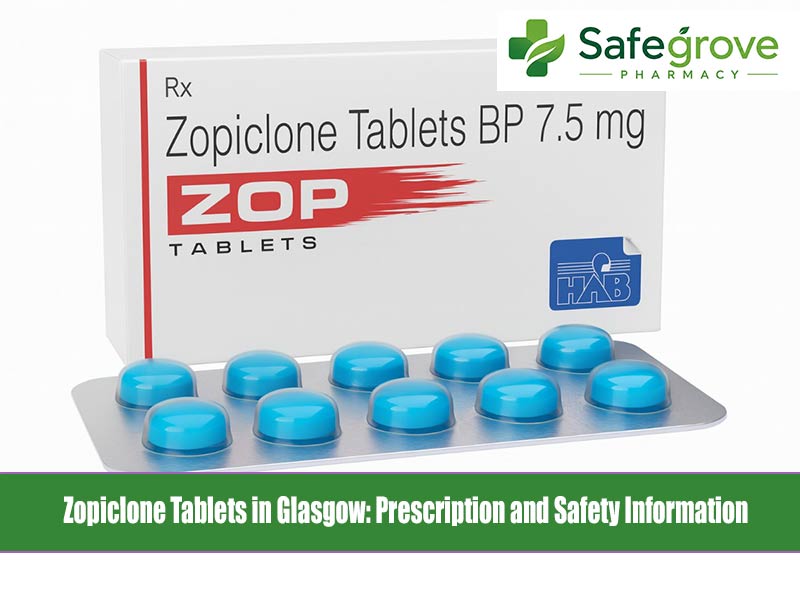
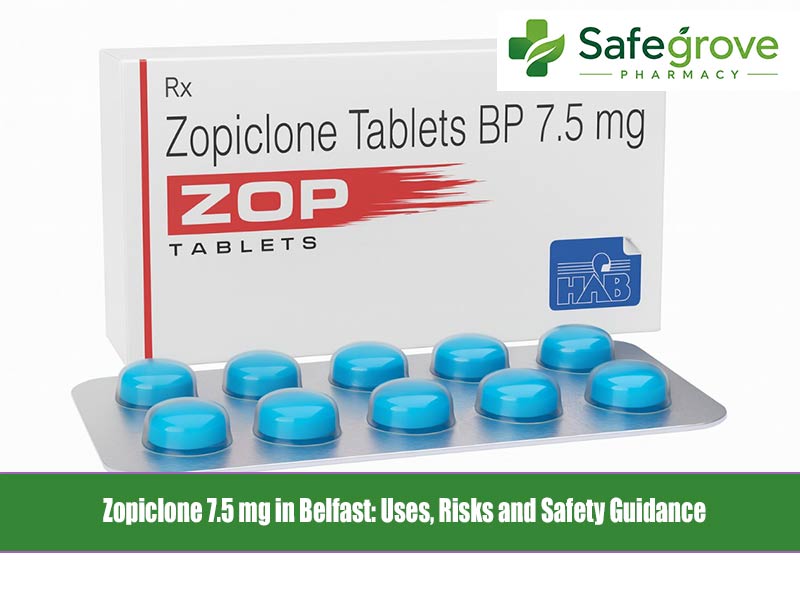
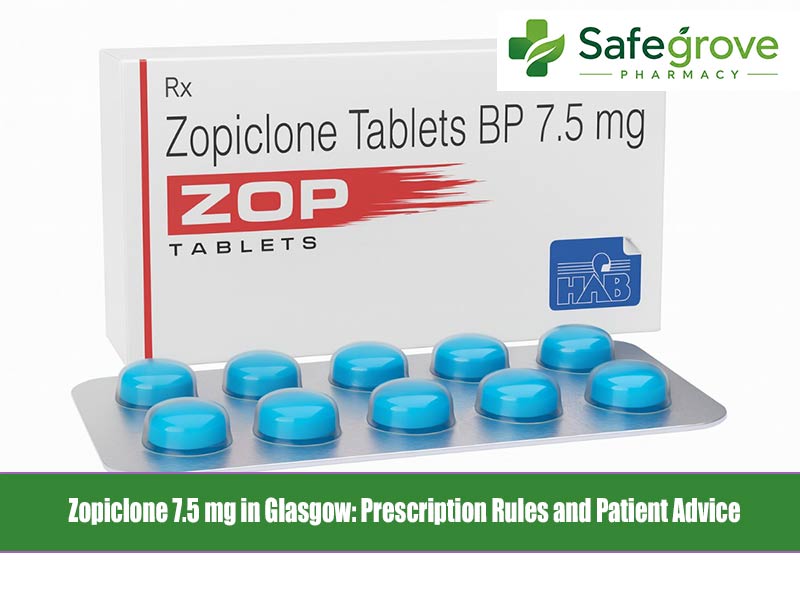
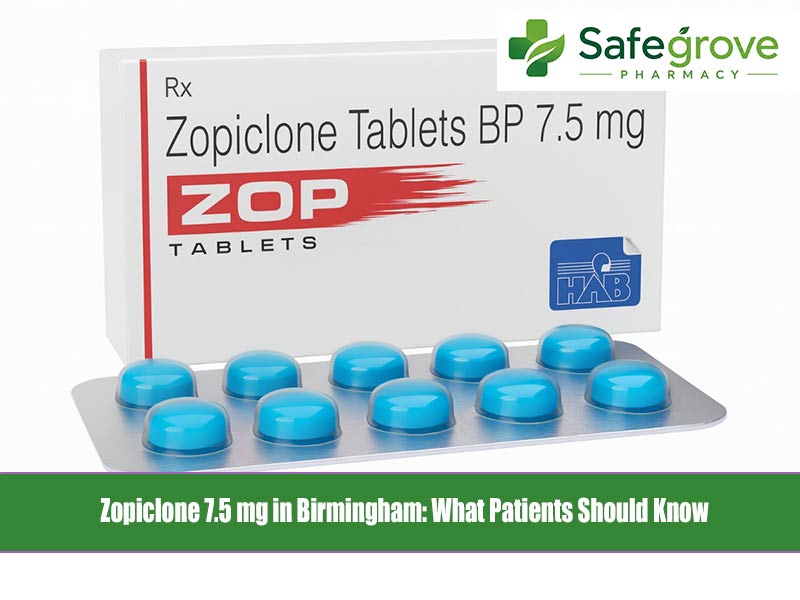
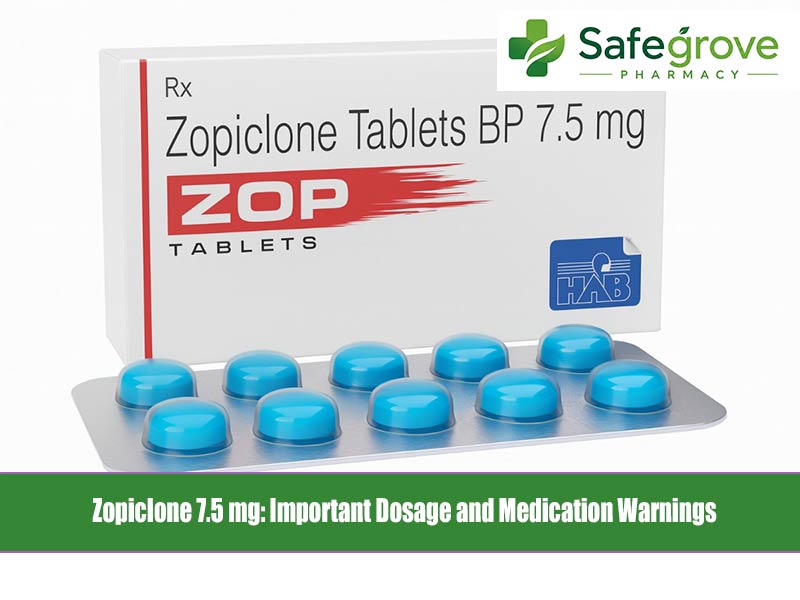
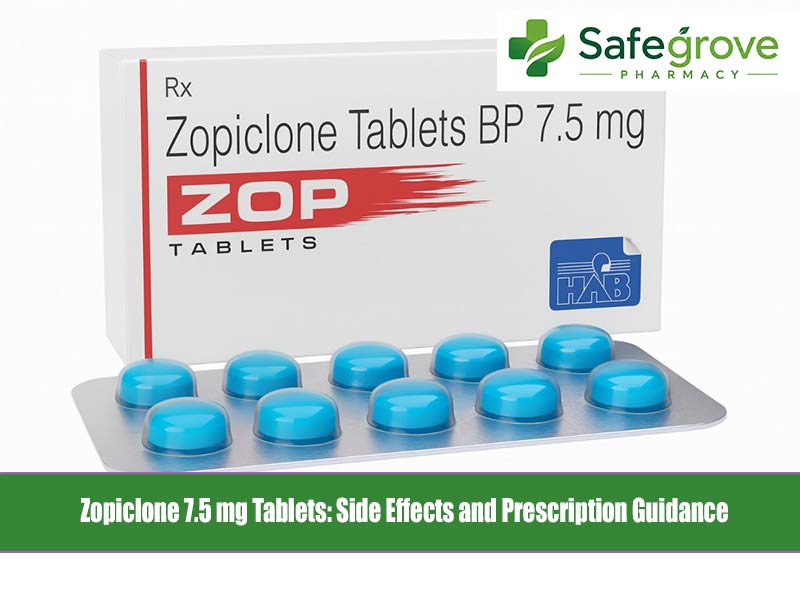
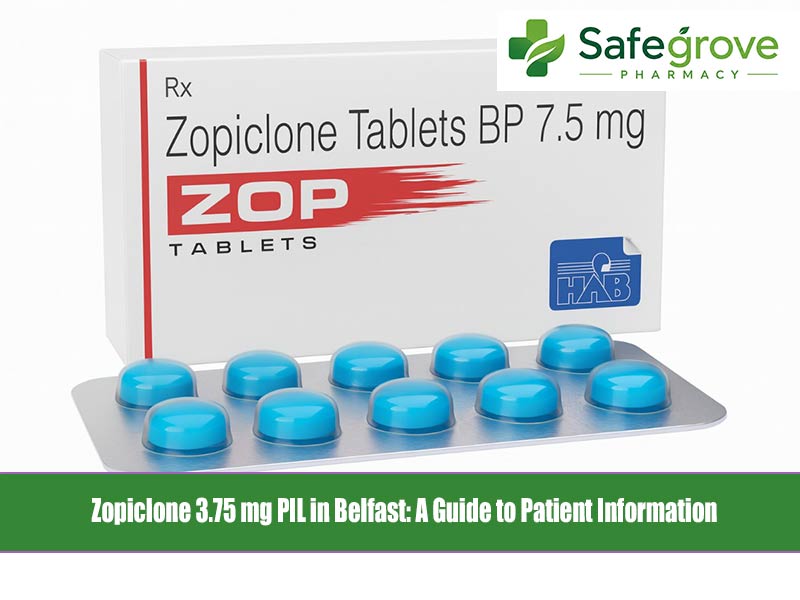
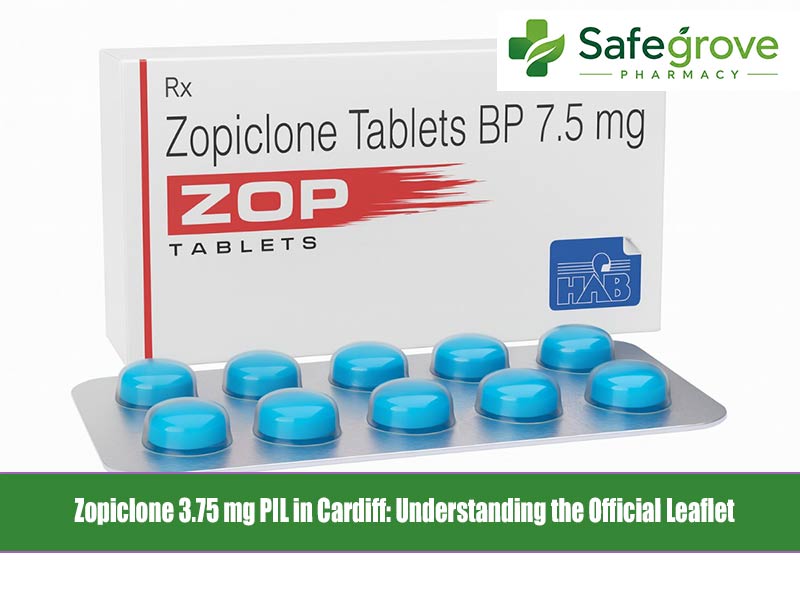
In the UK, zopiclone (formerly marketed under the brand name Zimovane) is available as generic film-coated tablets in two strengths: 3.75mg and 7.5mg.
You cannot buy zopiclone tablets over the counter in any pharmacy in Glasgow or anywhere in the UK. Under the Misuse of Drugs Act 1971, zopiclone is classified as a Class C controlled drug (Schedule 4, Part 1), meaning it requires a valid prescription from a registered UK medical prescriber.
NHS Greater Glasgow and Clyde (NHSGGC) Prescribing Rules
If you visit a GP surgery in Glasgow—from the West End and Merchant City to Shawlands or Bearsden—your doctor follows strict NHSGGC Management of Insomnia Guidelines and National Institute for Health and Care Excellence (NICE) Technology Appraisal 77:
First-Line Non-Drug Interventions: Prescribers will first assess underlying causes (such as depression, pain, or caffeine intake) and recommend structured sleep hygiene or Cognitive Behavioural Therapy for Insomnia (CBT-I). Across NHS Scotland, digital CBT-I programmes such as Sleepio are widely available free of charge as a first-line treatment before medication is considered.
Strict Short-Term Duration: When insomnia is severe, disabling, or causing extreme distress, a Glasgow GP may issue a short course of zopiclone. NHSGGC guidelines stipulate that prescriptions should last no longer than 2 to 4 weeks (often starting with just 7 to 14 days) and should never be added to automatic repeat prescription lists.
Intermittent Dosing: Where possible, Scottish clinicians advise taking zopiclone on an “as-required” or alternate-night basis rather than every single night to prevent rapid tolerance.
Searching online for “buy zopiclone UK next day delivery” exposes buyers to unregulated, illicit websites. Testing by the Medicines and Healthcare products Regulatory Agency (MHRA) frequently reveals that counterfeit sleeping tablets sold outside regulated UK pharmacies contain inconsistent doses, undeclared benzodiazepines (such as etizolam or bromazolam), or dangerous contaminants. Always obtain medication exclusively through an NHS prescription or a General Pharmaceutical Council (GPhC) registered UK pharmacy.
Zopiclone Dosage Guide: 3.75mg vs. 7.5mg Tablets
Your prescriber will determine your dose based on your age, liver and kidney function, and overall medical history.
Patient Group
Recommended Starting Dose
Maximum Daily Dose
Clinical Rationale
Healthy Adults (18–64 years)
7.5mg once nightly
7.5mg
Standard adult dose taken immediately before bed.
Older Adults (65+ years)
3.75mg once nightly
7.5mg (only if needed)
Slower drug clearance increases the risk of next-day confusion and falls.
Liver or Kidney Impairment
3.75mg once nightly
3.75mg
Reduced metabolic clearance prolongs sedative effects in the bloodstream.
Mild Respiratory Conditions
3.75mg once nightly
3.75mg
Minimises the risk of night-time respiratory depression.
Step-by-Step Instructions for Taking Zopiclone Safely
Take right before bed: Swallow the tablet whole with a full glass of water immediately before getting into bed. Do not crush or chew it, as the active ingredient has a notoriously bitter taste.
Guarantee an 8-hour sleep window: Only take a tablet if you have 7 to 8 hours available for uninterrupted sleep before you need to wake up.
Never double dose: If you forget to take your dose at bedtime, skip it completely and wait until the following night. Never take two tablets in one night.
Avoid food right before dosing: Taking zopiclone immediately after a heavy evening meal can delay its absorption and make it take longer to work.
Who Should Not Take Zopiclone? (Contraindications & Cautions)
Before starting zopiclone tablets, inform your Glasgow GP or community pharmacist if you have any pre-existing medical conditions. Zopiclone is strictly contraindicated (must not be taken) if you have:
Severe Sleep Apnoea Syndrome: Zopiclone relaxes airway muscles and can worsen breathing pauses during sleep.
Myasthenia Gravis: The medicine can exacerbate severe muscle weakness.
Severe Respiratory Failure or Chronic Lung Disease: It can dangerously suppress breathing drive.
Severe Liver Insufficiency: Impaired liver processing can lead to toxic accumulation of the drug.
Age Under 18: Safety and efficacy have not been established for children or adolescents.
Previous Complex Sleep Behaviours: Anyone who has experienced sleepwalking or sleep-driving on Z-drugs must never take them again.
Pregnancy and Breastfeeding
Zopiclone is generally avoided during pregnancy, particularly in the third trimester, as it can cause temporary drowsiness, low muscle tone, or withdrawal symptoms in a newborn baby. Small amounts also pass into breast milk. If you are prescribed zopiclone while breastfeeding, never co-sleep (share a bed) with your baby, as sedative medications significantly increase the risk of Sudden Infant Death Syndrome (SIDS).
Dangerous Drug and Alcohol Interactions
Combining zopiclone tablets with other substances that depress the central nervous system can lead to profound sedation, coma, or fatal respiratory depression.
Alcohol (Strictly Prohibited): Never drink alcohol while taking zopiclone. Even small amounts dramatically amplify sedation and impair breathing.
Opioid Painkillers: Combining zopiclone with codeine, tramadol, morphine, oxycodone, or methadone carries a high risk of fatal overdose.
Mental Health & Neurological Medications: Antidepressants, antipsychotics, anxiolytics (benzodiazepines), and anti-epileptic drugs (such as gabapentin or pregabalin) intensify drowsiness.
Sedating Antihistamines: Over-the-counter allergy or sleep remedies containing promethazine, diphenhydramine, or chlorphenamine add to next-day impairment.
Antibiotics & Antifungals: Medicines like erythromycin, clarithromycin, ketoconazole, and itraconazole slow down liver enzymes (CYP3A4), causing zopiclone levels in your body to spike. Conversely, St John’s Wort and rifampicin reduce zopiclone’s effectiveness.
Common Side Effects (Affecting up to 1 in 10 people)
Bitter or Metallic Taste: Known as dysgeusia, this is the most characteristic side effect of zopiclone, caused by the drug being excreted into saliva. Sipping water or chewing sugar-free gum in the morning can help.
Dry Mouth: Stay hydrated during the day.
Next-Day Drowsiness (“Hangover Effect”): Feeling sluggish, dizzy, or less alert the following morning.
Serious Side Effects (Seek Immediate Medical Advice)
Contact NHS 24 on 111 (or your GP) immediately if you experience:
Complex Sleep Behaviours: Sleepwalking, preparing food, making phone calls, or driving while not fully awake, with complete amnesia the next morning.
Psychiatric Reactions: Hallucinations, confusion, agitation, memory loss, worsening depression, or thoughts of self-harm.
Severe Allergic Reaction (Anaphylaxis): Swelling of the face, lips, or tongue, hives, or difficulty breathing (call 999 immediately).
UK Drug-Driving Law and the 12-Hour Rule
Under UK road traffic legislation, it is illegal to drive if your ability is impaired by any prescribed medication. The NHS advises that you must not drive, cycle, or operate heavy machinery for at least 12 hours after taking zopiclone. If you still feel groggy or slow to react after 12 hours, wait until your alertness fully returns before getting behind the wheel.
Dependence, Withdrawal, and How to Stop Safely
Taking zopiclone tablets nightly for more than 4 weeks causes your brain’s GABA receptors to adapt, leading to tolerance (needing higher doses for the same effect) and physical dependence.
Never stop taking zopiclone abruptly if you have been using it regularly for several weeks. Stopping suddenly triggers acute withdrawal and rebound insomnia (where your sleep becomes temporarily worse than before you started). Common withdrawal symptoms include:
Severe anxiety, restlessness, and panic attacks
Tremors (shaking hands), sweating, and heart palpitations
Heightened sensitivity to light, sound, and touch
Irritability, headaches, and stomach cramps
Safe Tapering in Glasgow
If you are ready to stop taking zopiclone, speak to your Glasgow GP or practice pharmacist. They will create an individualised gradual tapering schedule—typically reducing your dose from 7.5mg to 3.75mg, and then spacing out doses to alternate nights over several weeks—so your nervous system adjusts comfortably without withdrawal distress.
If you are struggling with prescription medication dependence in Glasgow, confidential local support is available through Glasgow Alcohol and Drug Recovery Services (GADRS) or by calling NHS 24 on 111. You can also report any suspected medication side effects directly to the UK regulator via the MHRA Yellow Card Scheme.
11. Frequently Asked Questions
1. Can I buy zopiclone tablets over the counter in a Glasgow pharmacy?
No, you cannot buy zopiclone tablets over the counter in Glasgow or anywhere in the UK. Zopiclone is a prescription-only Class C controlled medicine, meaning you must be assessed by a registered GP, hospital doctor, or qualified independent prescriber before a pharmacy can legally dispense it.
2. How long does it take for zopiclone tablets to work?
Zopiclone tablets typically start working within 30 to 60 minutes of swallowing them. Because the onset is rapid, you should only take your tablet immediately before getting into bed when you are completely ready to sleep for at least 7 to 8 hours.
3. Why do NHS Glasgow doctors only prescribe zopiclone for 2 to 4 weeks?
NHS Greater Glasgow and Clyde (NHSGGC) guidelines limit zopiclone prescriptions to 2 to 4 weeks because your body quickly builds tolerance to the medication. Beyond four weeks, zopiclone loses its sleep-inducing effectiveness while significantly increasing the risk of physical dependence, addiction, and difficult withdrawal symptoms.
4. What is the difference between zopiclone 3.75mg and 7.5mg tablets?
Zopiclone 7.5mg is the standard adult dose for healthy individuals aged 18 to 64, whereas zopiclone 3.75mg is a lower half-strength dose. Prescribers recommend the 3.75mg tablet for adults aged 65 and over, as well as patients with mild liver, kidney, or breathing issues, to prevent excessive next-day drowsiness and falls.
5. Can I drive the morning after taking a zopiclone tablet?
You must wait at least 12 hours after taking a zopiclone tablet before driving, riding a bicycle, or operating machinery. Even after 12 hours have passed, if you still feel sleepy, dizzy, or less alert than normal, you must not drive until those residual effects have completely worn off.
6. Why does zopiclone leave a bitter or metallic taste in my mouth?
A bitter or metallic taste (dysgeusia) is the most common side effect of zopiclone tablets. It happens because small amounts of the active drug are absorbed into your bloodstream and excreted through your salivary glands overnight. Drinking cold water, brushing your teeth, or chewing sugar-free gum in the morning usually helps mask the taste.
7. Is it safe to drink alcohol while taking zopiclone tablets?
No, you must completely avoid alcohol while taking zopiclone tablets. Both alcohol and zopiclone depress the central nervous system; combining them dangerously intensifies sedation, impairs coordination, and can cause life-threatening breathing difficulties or make it impossible to wake up.
8. What happens if I stop taking zopiclone suddenly?
Stopping zopiclone abruptly after taking it regularly can trigger unpleasant withdrawal symptoms and rebound insomnia, making it even harder to sleep for several nights. Withdrawal symptoms include severe anxiety, shaking, sweating, agitation, headaches, and heart palpitations. Always ask your GP to design a gradual dose-reduction plan.
9. What free alternatives to sleeping pills are available on the NHS in Glasgow?
In Glasgow, NHS Scotland offers free access to Cognitive Behavioural Therapy for Insomnia (CBT-I), including clinically proven digital programmes like Sleepio. GPs and local community pharmacies also provide structured sleep hygiene coaching and mental health support to resolve the root causes of insomnia without medication risks.
10. What should I do if I accidentally take too many zopiclone tablets?
Taking more than your prescribed dose of zopiclone can cause dangerous sedation and breathing problems. If you take an extra tablet, contact NHS 24 immediately on 111 for urgent clinical advice. If someone becomes unresponsive, has slow or shallow breathing, or cannot be woken, call 999 immediately and keep the medicine packet with you.