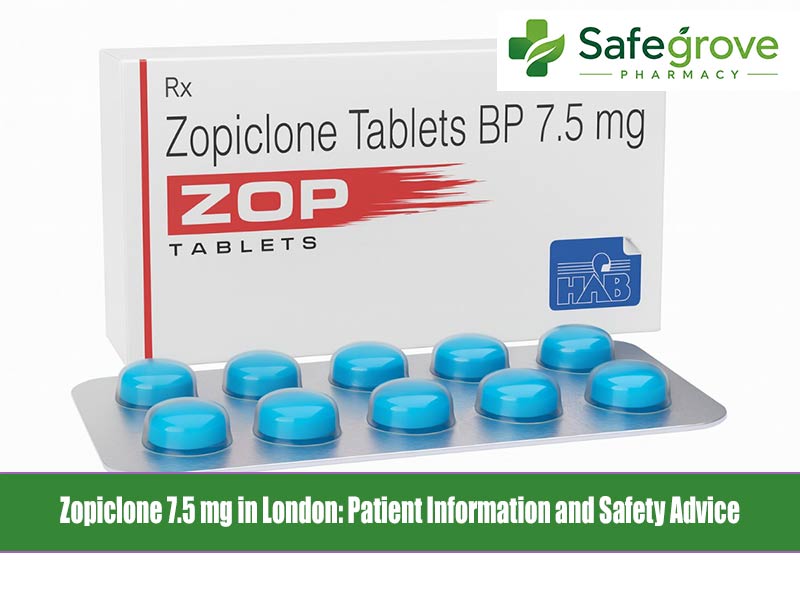
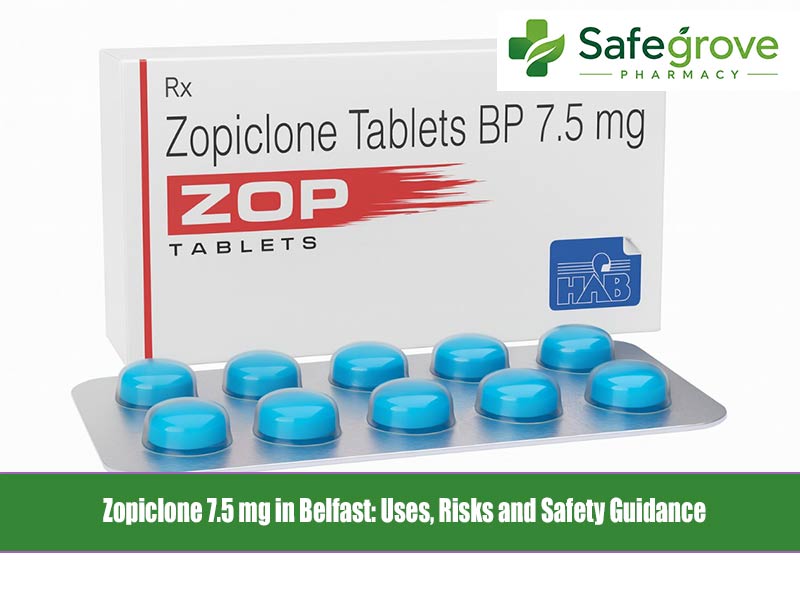
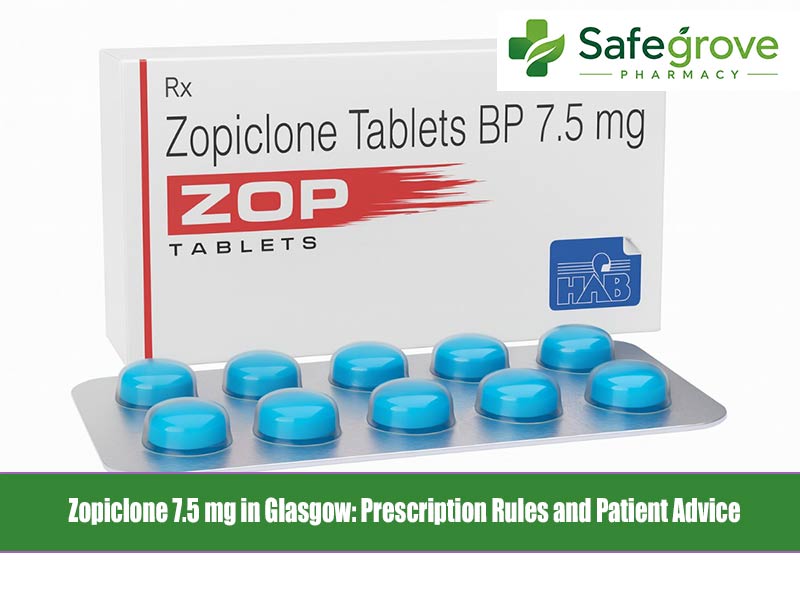
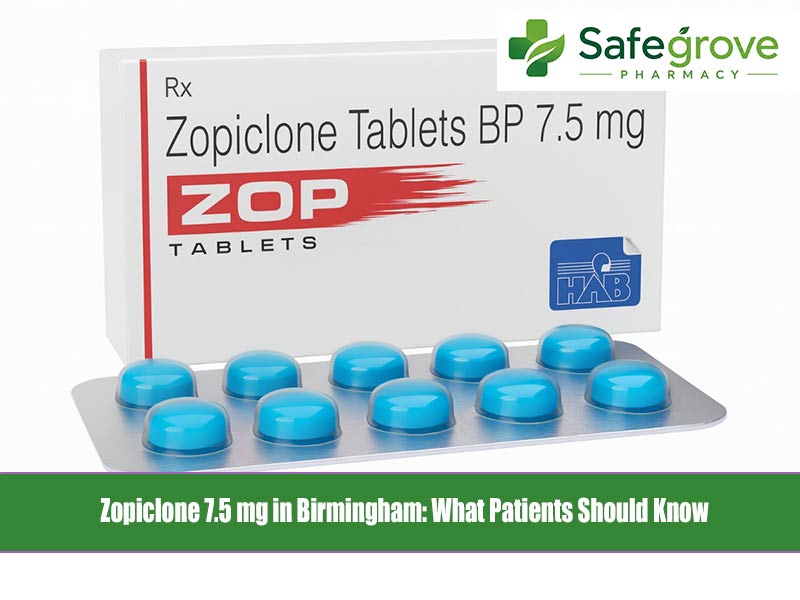
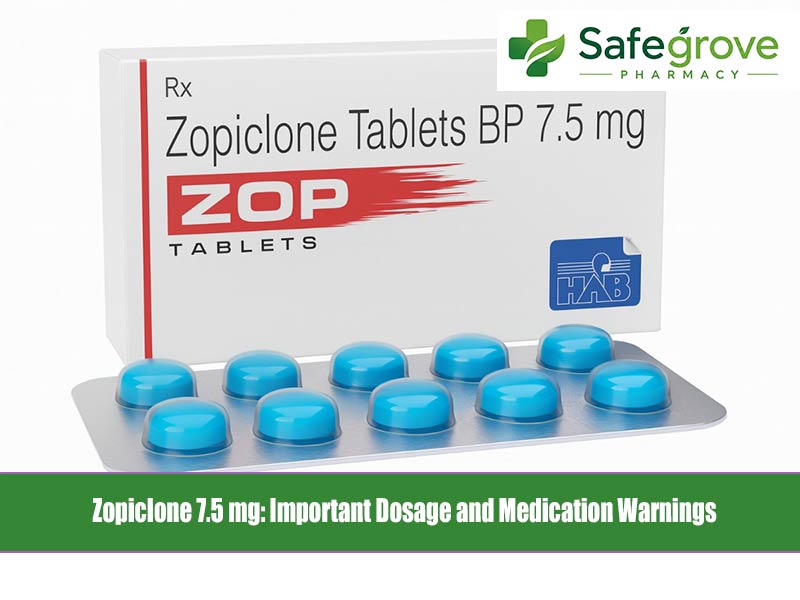
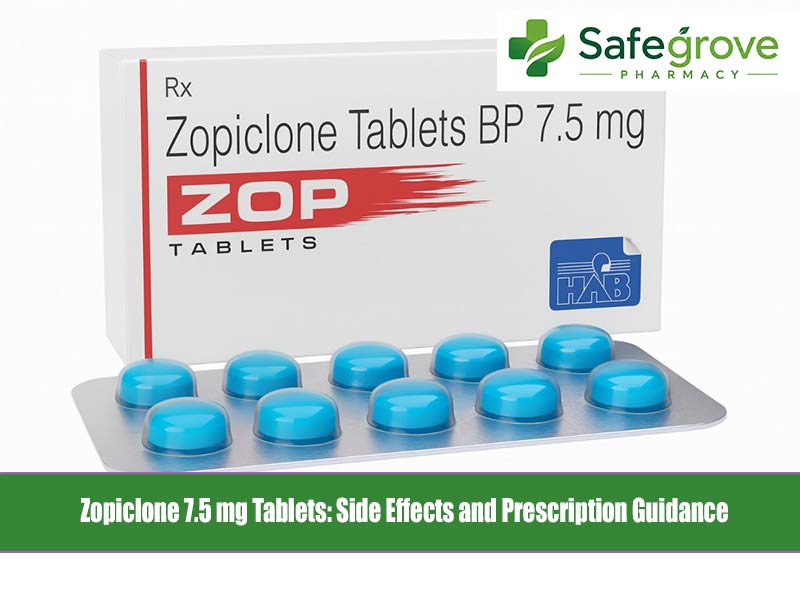
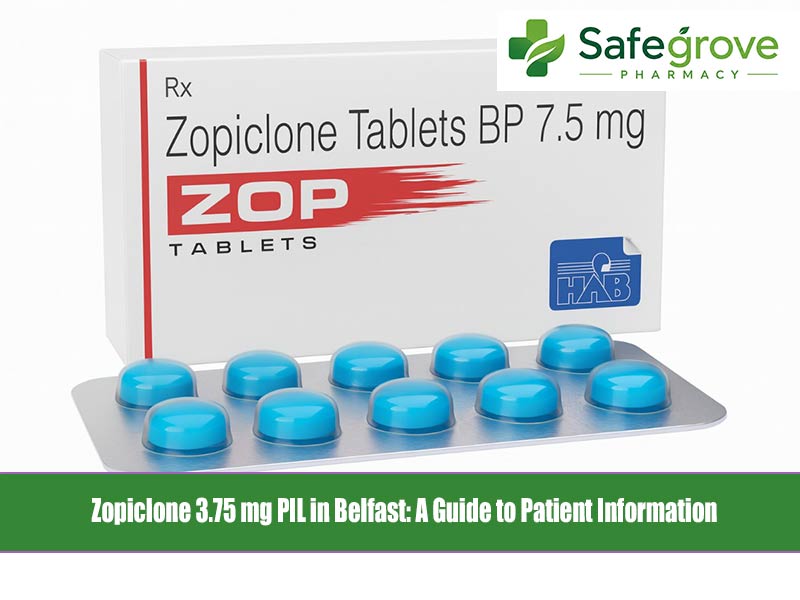
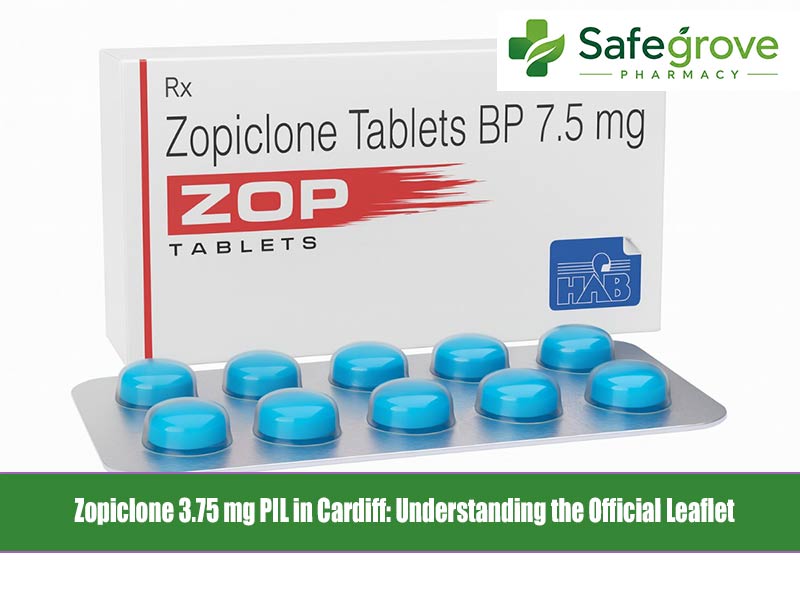
Struggling with persistent sleeplessness in a fast-paced city like London can quickly disrupt your work, mood, and physical health. When sleep hygiene changes and over-the-counter remedies fail to resolve severe sleep disruption, a UK clinician may consider prescribing zopiclone 7.5 mg tablets as a short-term medical intervention.
Because zopiclone is a regulated, prescription-only medicine in the United Kingdom, understanding how it works, what its official Patient Information Leaflet (PIL) specifies, and how to use it safely is essential. At Zopiclone Direct UK, we prioritise patient safety, clinical transparency, and evidence-based guidance aligned with the NHS, the British National Formulary (BNF), and the Medicines and Healthcare products Regulatory Agency (MHRA).
In this comprehensive guide, you will learn:
What zopiclone 7.5 mg is and why doctors limit treatment duration.
How the medication interacts with calming neurotransmitters in the brain.
Zopiclone 7.5 mg is an adult prescription sleeping medication classified medically as a non-benzodiazepine hypnotic, commonly referred to as a “Z-drug”. Although chemically distinct from traditional benzodiazepines, zopiclone produces similar sedative and sleep-promoting effects on the central nervous system.
According to NHS and Electronic Medicines Compendium (emc) clinical monographs, zopiclone 7.5 mg tablets are licensed specifically for the short-term treatment of severe or debilitating insomnia in adults aged 18 and over. Clinicians typically prescribe it for three distinct patterns of sleep disturbance:
Sleep-onset insomnia: Persistent difficulty falling asleep after going to bed.
Sleep-maintenance insomnia (nocturnal awakening): Waking repeatedly during the middle of the night and struggling to return to sleep.
Early morning awakening: Waking significantly earlier than intended without achieving restorative rest, often linked to acute stress or severe mood disturbances.
Why Is Zopiclone Prescribed Only for Short-Term Use?
Under UK clinical guidelines—including NICE and BNF recommendations—zopiclone is never intended as a long-term or permanent cure for chronic sleeplessness. A standard treatment course generally lasts between a few days and 2 to 4 weeks maximum, including any gradual tapering-off period.
Limiting treatment to four weeks or fewer protects patients against two well-documented pharmacological risks:
Pharmacological Tolerance: The brain adapts rapidly to the presence of zopiclone, meaning the same 7.5 mg dose becomes noticeably less effective at inducing sleep after several weeks.
Physical and Psychological Dependence: Prolonged nightly use increases the likelihood of developing dependence, which can trigger uncomfortable rebound insomnia and withdrawal symptoms when stopping the tablets.
Understanding the 7.5 mg Strength and UK Prescribing Rules
In the UK, zopiclone film-coated tablets are manufactured in two standard strengths: 3.75 mg and 7.5 mg (a liquid oral solution is also occasionally prescribed for patients with swallowing difficulties).
For generally healthy adults under the age of 65, 7.5 mg taken as a single dose immediately before bedtime represents the standard recommended adult dose and the maximum daily dose. However, a 7.5 mg tablet is not suitable for every patient. Prescribers always follow the clinical principle of using the lowest effective dose for the shortest possible duration.
Accessing Zopiclone Safely in London and Across the UK
Whether you live in Central London, Greater London boroughs, or elsewhere in England, Scotland, Wales, or Northern Ireland, zopiclone is a Prescription-Only Medicine (POM) and a Schedule 4 (Part 1) Controlled Drug under the UK Misuse of Drugs Regulations.
No Over-the-Counter Sales: You cannot legally buy zopiclone 7.5 mg over the counter at a high-street chemist. (Over-the-counter sleep aids such as Nytol contain sedating antihistamines like diphenhydramine, not Z-drugs.)
Clinical Assessment Required: To obtain zopiclone legally, you must be assessed by a qualified UK prescriber—such as your NHS GP, a hospital specialist, or a registered private prescriber—and have your prescription dispensed by a General Pharmaceutical Council (GPhC) registered pharmacy.
Comparison: Zopiclone 3.75 mg vs. Zopiclone 7.5 mg
Patients often ask why two different tablet strengths exist and how doctors choose between them. The table below outlines the key clinical differences between the 3.75 mg and 7.5 mg formulations based on UK Summary of Product Characteristics (SmPC) data.
Clinical Feature
Zopiclone 3.75 mg Tablets
Zopiclone 7.5 mg Tablets
Primary Patient Group
Older adults (aged 65+) and patients with liver, kidney, or chronic breathing conditions
Generally healthy adults aged 18 to 64 with severe short-term insomnia
Role in Treatment
Standard starting dose for sensitive populations; also used during gradual dose reduction (tapering)
Standard full adult dose and maximum permitted single nightly dose
Tablet Administration
Taken once nightly just before bed; swallowed whole with water
Taken once nightly just before bed; swallowed whole (some brands feature a break-line if halved by a prescriber)
Risk of Next-Day Sedation
Lower risk of morning grogginess and falls in older or metabolically slower patients
Higher sedative potency; requires strict adherence to a 12-hour post-dose driving ban
Self-Adjustment Rule
Never double up to 7.5 mg without explicit instruction from your doctor
Never exceed one 7.5 mg tablet in a single night
Important Clinical Note: Only your prescribing doctor can determine whether 3.75 mg or 7.5 mg is appropriate for your medical profile. Never split, double, or share your tablets without direct medical advice.
How Zopiclone Works in the Brain and How Fast It Acts
To understand why zopiclone is effective for acute insomnia, it helps to look at how the brain regulates sleep and wakefulness.
Mechanism of Action: Enhancing GABA Activity
Zopiclone acts on specific receptors in the central nervous system known as GABA-A receptors. Gamma-aminobutyric acid (GABA) is the brain’s primary inhibitory neurotransmitter—essentially its natural “calming” chemical messenger.
When you swallow a zopiclone 7.5 mg tablet:
The active ingredient binds to sites adjacent to GABA-A receptors in the brain.
This binding amplifies the natural calming effect of GABA, slowing down excessive neural firing and racing thoughts.
As central nervous system arousal decreases, muscle tension eases and your brain transitions more rapidly into sleep.
Onset and Duration of Action
How long does zopiclone take to work? According to NHS guidance, zopiclone typically begins working within 30 to 60 minutes of swallowing the tablet. Because of this rapid onset, you should take your dose only when you are ready to go to sleep and already in bed.
How long does zopiclone last? Zopiclone has a relatively short elimination half-life of approximately 5 hours in healthy adults (though this can extend to 7 hours or longer in older adults or those with reduced liver function). Its primary sleep-maintaining effects last through the night (roughly 6 to 8 hours), which is why you must allow at least 7 to 8 hours of uninterrupted sleep before waking and wait a full 12 hours before driving.
Step-by-Step Guide: How to Take Zopiclone 7.5 mg Safely
Prepare for bed first: Complete all evening tasks, lock doors, and turn off appliances before taking your tablet.
Swallow whole with water: Take one 7.5 mg tablet (or your exact prescribed dose) whole with a glass of plain water. Do not crush or chew the tablet, as its film coating helps mask its intensely bitter taste.
Take once per night only: Never take a second tablet during the same night, even if you wake up at 3:00 AM.
Follow intermittent schedules if advised: Your London GP or specialist may advise taking zopiclone on only 2 or 3 nights per week rather than every night to prevent tolerance.
Handling a missed dose: If you forget to take your dose at bedtime, skip it entirely and take your next scheduled tablet the following night. Never double up to compensate for a missed dose.
Reading the Zopiclone 7.5 mg Patient Information Leaflet (PIL)
Every licensed box of zopiclone dispensed by a UK pharmacy includes an official Patient Information Leaflet (PIL) approved by the MHRA. Whether your tablets are generic film-coated zopiclone or a branded formulation such as Zimovane, the PIL serves as your primary legal and medical safety document.
You can also view up-to-date digital versions of UK PILs at any time via the Electronic Medicines Compendium (emc) (medicines.org.uk). When reviewing your leaflet, pay particular attention to these core sections:
Boxed Addiction & Withdrawal Warning: UK zopiclone leaflets prominently state at the very top that the medicine can cause dependence, tolerance, and addiction, and that stopping suddenly can trigger withdrawal symptoms.
Section 1 (What Zopiclone Is Used For): Confirms adult-only use (18+) for short-term insomnia.
Section 2 (What You Need to Know Before You Take Zopiclone): Lists absolute contraindications (such as myasthenia gravis, severe respiratory failure, severe sleep apnoea syndrome, and severe liver impairment) and crucial warnings regarding alcohol and driving.
Section 3 (How to Take Zopiclone): Details exact dosing rules, duration limits (maximum 4 weeks), and overdose emergency instructions.
Section 5 & 6 (Storage and Contents): Confirms storage below 25°C out of sight and reach of children, and lists excipients such as lactose monohydrate (important for patients with severe galactose intolerance or lactase deficiency).
Side Effects of Zopiclone 7.5 mg: What to Expect and When to Seek Help
Like all potent prescription medicines, zopiclone 7.5 mg can cause side effects, although not everyone experiences them. Most mild effects diminish as your body adjusts or once the short course finishes.
Common Side Effects (Affecting up to 1 in 10 people)
Bitter or metallic taste (dysgeusia): The most distinctive side effect of zopiclone. A small amount of the drug is excreted in saliva, leaving a noticeable metallic aftertaste the following morning.
Dry mouth: Sipping water upon waking can help ease oral dryness.
Next-day drowsiness or fatigue: Feeling sluggish, less alert, or slightly dazed the morning after taking a tablet.
Uncommon and Rare Side Effects
Dizziness, light-headedness, or mild headache.
Nausea, indigestion, or mild stomach discomfort.
Double vision or blurred vision.
Muscular weakness or poor coordination (increasing fall risk, particularly if getting up to use the bathroom at night).
Memory gaps (anterograde amnesia), especially if you do not get a full 7 to 8 hours of sleep after taking the tablet.
Serious Side Effects: When to Contact NHS 111 or Emergency Services
While uncommon, certain adverse reactions require prompt medical evaluation:
Complex Sleep Behaviours (Parasomnias): Sleepwalking, preparing or eating food, making phone calls, or even driving a vehicle while not fully awake, with no memory of the event the next day. If this occurs, stop taking zopiclone and contact your doctor immediately.
Paradoxical Psychiatric Reactions: Worsening insomnia, agitation, restlessness, irritability, aggression, hallucinations, delusions, or new/worsening symptoms of depression and self-harm thoughts.
Severe Allergic Reaction (Anaphylaxis): Swelling of the lips, face, tongue, or throat, wheezing, skin rash, or difficulty breathing. Call 999 or go to your nearest London A&E department immediately if signs of anaphylaxis or breathing difficulties develop.
Critical Safety Precautions, Alcohol, and Drug Interactions
Because zopiclone depresses central nervous system activity, combining it with other sedating substances can have life-threatening consequences.
1. Zopiclone and Alcohol: Strict Avoidance Required
You must not drink alcohol while taking zopiclone. Even small amounts of beer, wine, or spirits compound the sedative action of zopiclone on the brain. Combining alcohol and zopiclone significantly increases the risk of:
Dangerous respiratory depression (slowed or shallow breathing during sleep).
Profound sedation and difficulty waking up.
Severe memory loss, confusion, and sleepwalking episodes.
Extreme next-day impairment when driving or commuting.
2. High-Risk Medicine Interactions
Always inform your doctor or a Zopiclone Direct UK pharmacist about every prescription medicine, over-the-counter remedy, or herbal supplement you take before starting zopiclone. Key interactions documented in the BNF and emc SmPC include:
Opioid Painkillers (Critical Warning): Taking zopiclone alongside opioids—such as codeine, co-codamol, tramadol, morphine, oxycodone, fentanyl, or methadone—can cause profound sedation, severe breathing suppression, coma, and fatal overdose. Concomitant use is avoided unless no alternative exists and is strictly monitored.
CYP3A4 Enzyme Inhibitors: Zopiclone is metabolised in the liver primarily by the CYP3A4 enzyme. Medicines that block this enzyme—such as the antibiotics erythromycin and clarithromycin, antifungal tablets (ketoconazole, itraconazole), and HIV protease inhibitors (ritonavir)—can raise zopiclone blood levels by up to 80%, intensifying sedation.
CYP3A4 Enzyme Inducers: Medicines and supplements that speed up liver metabolism—including St John’s wort, rifampicin, phenytoin, and phenobarbital—can reduce zopiclone levels, making your sleeping tablets less effective.
3. Driving, Cycling, and Workplace Safety (The 12-Hour Rule)
Under UK road traffic law (Section 4 and Section 5A of the Road Traffic Act), it is illegal to drive if your ability is impaired by prescription medication, even when taken exactly as prescribed.
Wait at least 12 hours: Do not drive a car, ride a bicycle or e-scooter, or operate heavy machinery for at least 12 hours after taking zopiclone 7.5 mg.
Assess your alertness: Even after 12 hours, if you still feel drowsy, dizzy, clumsy, or have blurred vision, do not drive until those symptoms have completely cleared.
4. Who Should Avoid Zopiclone?
Zopiclone is generally unsuitable or requires specialist hospital supervision if you have:
Myasthenia gravis (a neuromuscular condition causing severe muscle weakness).
Severe sleep apnoea syndrome (pauses in breathing during sleep) or acute respiratory failure.
Severe liver disease (hepatic insufficiency), as impaired liver clearance can cause toxic drug buildup.
Pregnancy or breastfeeding: Zopiclone is not routinely recommended during pregnancy (especially in the third trimester, where it can affect the newborn baby) or while breastfeeding, as small amounts pass into breast milk.
A history of alcohol or substance dependency.
Dependence, Tolerance, and Safe Withdrawal Guidance
Understanding the risks of zopiclone dependence and withdrawal empowers patients to use their medication responsibly from day one.
How Dependence Develops
When zopiclone is taken nightly for longer than 2 to 4 weeks, brain receptors adapt to its continuous calming presence. If the medicine is abruptly removed, the nervous system can experience a temporary surge in excitability.
Why You Must Never Stop Suddenly
If you have been taking zopiclone 7.5 mg regularly for more than a couple of weeks, do not stop taking it abruptly without speaking to your prescriber. Sudden discontinuation can trigger rebound insomnia (where sleep problems return worse than before for a few nights) alongside physical and psychological withdrawal symptoms, including:
Heightened anxiety, restlessness, or irritability
Tremors, sweating, or heart palpitations
Headaches, muscle tension, and difficulty concentrating
Mood swings or heightened sensitivity to light and noise
Safe Tapering Strategies
When it is time to finish your course, your GP or pharmacist will outline a gradual dose-reduction (tapering) schedule. This often involves stepping down from 7.5 mg to 3.75 mg for several nights, or spacing out doses to alternate nights before stopping completely, alongside evidence-based non-drug therapies such as Cognitive Behavioural Therapy for Insomnia (CBT-I).
Frequently Asked Questions About Zopiclone 7.5 mg
1. What is zopiclone 7.5 mg prescribed for in the UK?
Zopiclone 7.5 mg is prescribed in the UK for the short-term treatment of severe insomnia in adults aged 18 and over. It helps patients who struggle to fall asleep, wake repeatedly during the night, or wake too early, typically when sleep disruption is causing severe distress and non-drug measures have not worked.
2. How long does zopiclone 7.5 mg take to start working?
Zopiclone 7.5 mg usually takes between 30 and 60 minutes to start working after you swallow the tablet with water. Because it acts quickly, you should take your tablet only when you are ready for bed and able to dedicate a full 7 to 8 hours to uninterrupted sleep.
3. Can I buy zopiclone 7.5 mg over the counter in London?
No. Zopiclone is a regulated Prescription-Only Medicine (POM) and a Schedule 4 Controlled Drug in the UK. You cannot buy it over the counter at a pharmacy. It can only be legally supplied against a valid prescription issued by a registered UK doctor or authorised prescriber and dispensed by a GPhC-registered pharmacy.
4. What is the difference between zopiclone 3.75 mg and 7.5 mg?
The 7.5 mg tablet is the standard adult dose for healthy adults aged 18 to 64, whereas the 3.75 mg tablet is a half-strength formulation. Doctors typically prescribe 3.75 mg as a starting dose for adults aged 65 and over, individuals with liver, kidney, or breathing conditions, or patients who are gradually tapering off treatment.
5. What information is covered in the zopiclone 7.5 mg Patient Information Leaflet (PIL)?
6. Can I drink alcohol while taking zopiclone 7.5 mg?
No, you must completely avoid alcohol while taking zopiclone. Combining alcohol with zopiclone dangerously amplifies central nervous system sedation, which can suppress your breathing during sleep, make it very difficult to wake up, and impair alertness the next day.
7. What are the most common side effects of zopiclone 7.5 mg?
The most common side effects are a bitter or metallic taste in the mouth, dry mouth, and feeling tired, sleepy, or less alert the following morning. Less commonly, patients may experience dizziness, headache, stomach upset, or vivid dreams.
8. How long after taking zopiclone 7.5 mg can I safely drive?
According to NHS and manufacturer safety guidance, you must wait at least 12 hours after taking zopiclone before driving a car, riding a bike, or operating machinery. Even after 12 hours have passed, do not drive if you still feel drowsy, dizzy, or unable to concentrate.
9. What should I do if I wake up in the middle of the night after taking zopiclone?
If you wake up during the night, do not take another zopiclone tablet. Zopiclone must only be taken once per night, and taking an extra dose increases the risk of overdose, severe next-day grogginess, and breathing problems.
10. How do I stop taking zopiclone 7.5 mg safely?
Do not stop taking zopiclone suddenly if you have used it regularly for more than a few weeks, as abrupt cessation can cause rebound insomnia, anxiety, and agitation. Speak with your GP or pharmacist so they can arrange a gradual dose-reduction plan tailored to your needs.