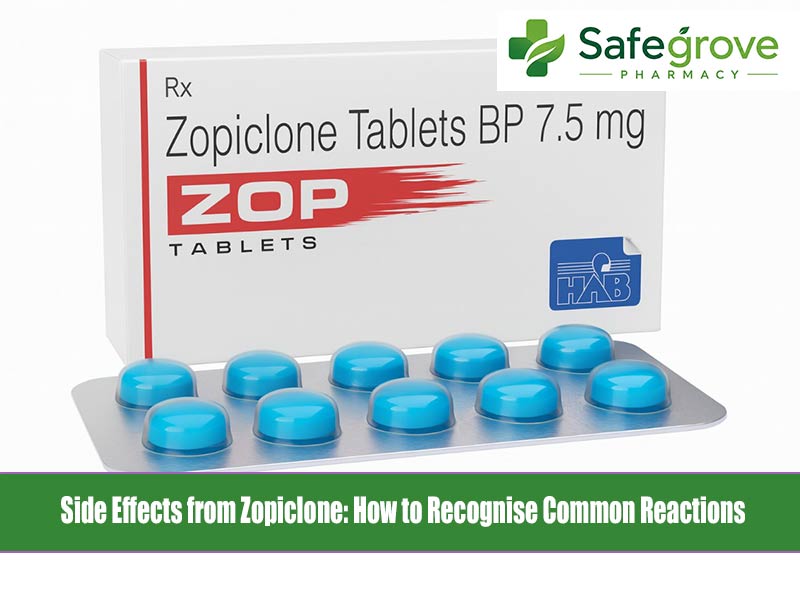
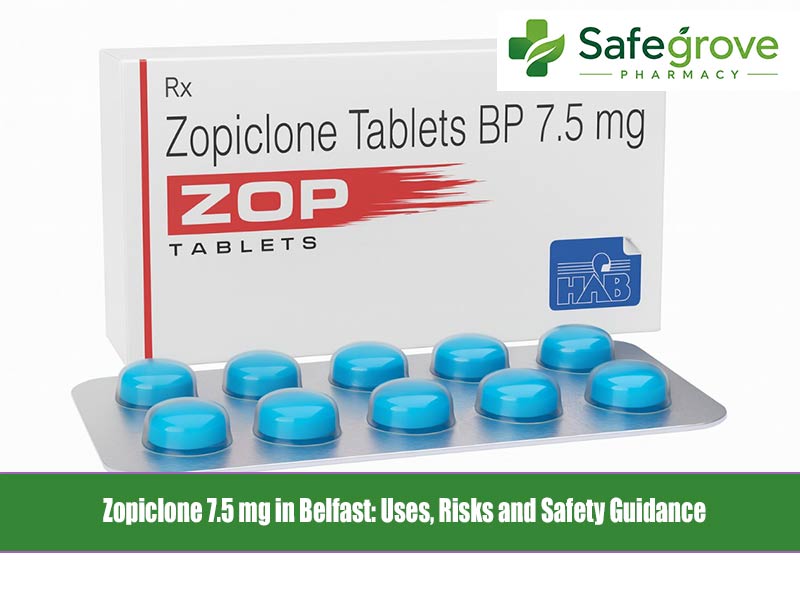
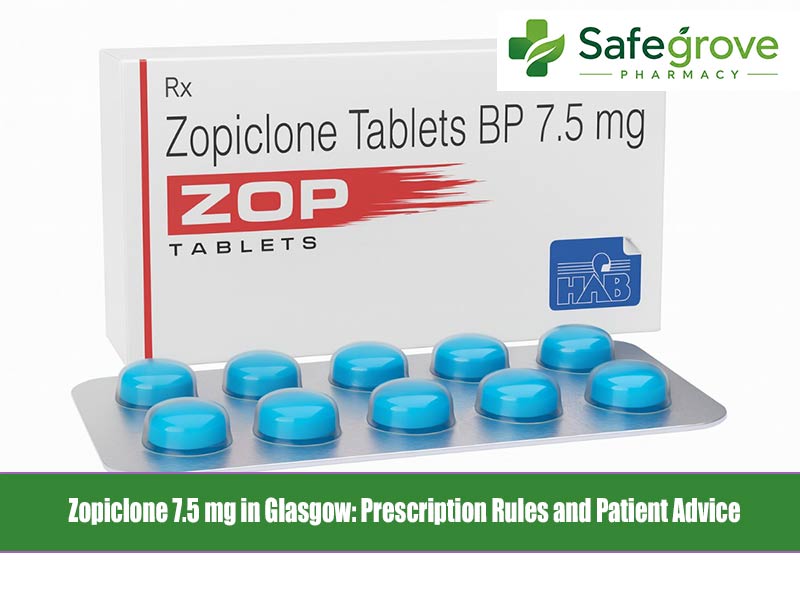
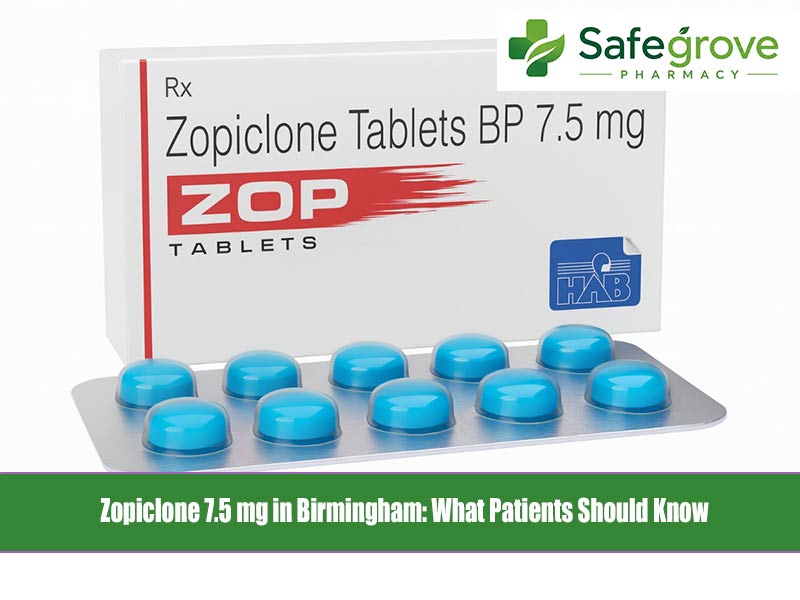
Waking up after taking a prescribed sleeping tablet only to notice a strange metallic taste in your mouth—or feeling unexpectedly groggy at your desk the next morning—can be unsettling. If you or someone you care for has been prescribed zopiclone in the UK, knowing what is a normal, temporary reaction versus what requires medical attention is essential for staying safe.
Understanding the potential side effects from zopiclone helps you use this prescription medicine responsibly while protecting your daytime alertness and overall health. Whether you are collecting a prescription in London, Manchester, Glasgow, Cardiff, or Belfast, UK clinical standards and NHS guidance follow the same strict safety framework.
At Zopiclone Direct UK, we believe patients make safer health decisions when medical information is clear, balanced, and grounded in official UK clinical evidence. In this guide, we examine how zopiclone works, how to recognise common and serious side effects, critical interactions with alcohol and other medicines, and what to do if reactions persist.
Zopiclone is a prescription-only sleeping tablet (classified as a non-benzodiazepine hypnotic, or “Z-drug”) used in the UK for the short-term treatment of severe insomnia. It works by enhancing the activity of gamma-aminobutyric acid (GABA), a naturally occurring calming chemical in the brain that slows down nerve signals, helping you fall asleep faster and reducing night-time awakenings.
In the UK, zopiclone is strictly a Controlled Drug (Schedule 4) and is only available with a valid prescription from an authorised prescriber, such as a GP or hospital specialist. Because your body adapts to the medicine quickly, UK clinical guidelines recommend prescribing the lowest effective dose—typically 3.75 mg or 7.5 mg taken just before bedtime—for a short duration of 2 to 4 weeks.
Competitor & Clinical Landscape: What UK Medical Authorities Emphasise
Frequency Stratification: Distinguishing predictable, mild effects (affecting more than 1 in 100 patients) from rare psychiatric or respiratory reactions.
Next-Day Psychomotor Impairment: Enforcing the strict 12-hour rule regarding driving, cycling, and operating machinery.
Dependence and Interaction Prevention: Highlighting the severe risks of combining zopiclone with alcohol or opioids, and warning against abrupt discontinuation.
A persistent bitter or metallic taste in the mouth is the most widely reported reaction to zopiclone. This occurs because small amounts of the medicine are excreted into your saliva as your body processes the tablet. While unpleasant, it is harmless and typically fades as the medicine clears from your system. Sipping water, chewing sugar-free gum, or brushing your teeth in the morning can help reduce the sensation.
2. Dry Mouth
Zopiclone can temporarily reduce saliva production, leaving your mouth and throat feeling dry upon waking. Keeping a glass of water by your bedside and staying well hydrated throughout the day usually keeps this symptom manageable.
3. Next-Day Drowsiness and Reduced Alertness
Feeling sleepy, dazed, heavy-headed, or less alert the following morning is a recognised residual effect. Even if you feel rested, zopiclone can slow your reaction times and impair coordination for several hours after waking. This effect is more noticeable if you take the 7.5 mg strength or if you do not get a full night’s sleep (7 to 8 hours) after taking your tablet.
According to UK regulatory data on the Electronic Medicines Compendium (emc), uncommon side effects affect between 1 and 10 users in every 1,000. These include:
Dizziness or light-headedness: Particularly when standing up quickly during the night or early morning.
Headaches: Usually mild and temporary.
Nausea or vomiting: Feeling sick or experiencing mild digestive upset.
Physical or mental fatigue: Persistent tiredness that extends beyond morning grogginess.
Nightmares or vivid dreams: Changes in dream intensity as sleep architecture shifts.
Mild agitation or restlessness: Feeling unusually unsettled rather than calm.
Rare and Serious Side Effects: When to Seek Urgent Help
While uncommon, zopiclone can trigger serious adverse reactions that require prompt medical evaluation. Rare side effects affect 1 to 10 users in every 10,000, while certain complex behaviours have an unknown frequency based on post-marketing reports.
Complex Sleep Behaviours (Parasomnias)
Zopiclone can occasionally cause people to perform complex activities while not fully awake, with no memory of the event the next day. Reported behaviours include:
Sleepwalking (somnambulism)
Preparing and eating food while asleep
Making phone calls or sending messages
Driving a vehicle (“sleep-driving”)
The risk of complex sleep behaviours increases significantly if zopiclone is taken with alcohol, alongside other sedating medicines, or at doses higher than prescribed.
Psychiatric and Mood Changes
Rarely, zopiclone causes paradoxical reactions—effects opposite to sedation—or severe mood disturbances:
Hallucinations (seeing or hearing things that are not real)
Delusions (believing things that are not true)
Severe confusion or delirium
Uncharacteristic irritability, anger, or aggression
Worsening depression or thoughts of self-harm or suicide
Memory Impairment (Anterograde Amnesia)
Zopiclone can cause short-term memory loss affecting events that occur after taking the tablet. Taking your dose immediately before getting into bed and ensuring you have an uninterrupted window for sleep reduces this risk.
Breathing Difficulties and Severe Allergic Reactions
In rare cases, zopiclone can slow breathing (respiratory depression) or trigger a severe allergic reaction (anaphylaxis or angioedema).
Summary Comparison: Zopiclone Side Effects by Frequency
Frequency Category
Estimated Incidence
Key Symptoms to Watch For
Recommended Action
Common
More than 1 in 100 people
Bitter or metallic taste, dry mouth, next-day drowsiness or feeling dazed
Manage with hydration and avoid driving for 12 hours; speak to a pharmacist if bothersome
Contact your GP or call NHS 111 promptly for medical assessment
Emergency
Very rare
Difficulty breathing, swelling of lips/face/tongue, sleep-driving, suicidal thoughts
Call 999 or go to A&E immediately
When to Contact a Pharmacist, GP, or Emergency Services
Knowing the right NHS pathway ensures you receive timely care without unnecessary delay:
Speak to a Pharmacist or GP: If common side effects such as dry mouth, nausea, headaches, or daytime grogginess interfere with your daily routine or do not settle after the first couple of nights.
Call NHS 111 Immediately: If you experience hallucinations, delusions, severe confusion, memory blackouts, sleepwalking, or low mood/thoughts of self-harm, or if you accidentally take more than your prescribed dose.
Call 999 or Go to A&E: If you or someone else develops signs of a severe allergic reaction (swelling of the face, lips, tongue, or throat; difficulty swallowing or breathing), shallow breathing, or extreme unresponsiveness. Do not drive yourself to A&E.
You can also report suspected adverse reactions directly to the UK regulator via the MHRA Yellow Card Scheme (yellowcard.mhra.gov.uk), which helps monitor medicine safety nationwide.
Next-Day Alertness, Driving, and UK Legal Rules
Zopiclone impairs concentration, coordination, and reaction speed well into the following day. Under UK medical guidance and the Road Traffic Act, it is illegal to drive if your ability to do so safely is impaired by any medicine, even if it is legally prescribed.
Follow the 12-Hour Rule: The NHS and Summary of Product Characteristics (SmPC) advise waiting at least 12 hours after taking zopiclone before driving, riding a bicycle, or operating machinery.
Assess Your Alertness: Even after 12 hours have passed, do not drive if you still feel sleepy, dazed, dizzy, or unable to focus.
Never Take a Daytime Dose: Only take zopiclone immediately before bedtime. If you forget your tablet at night, skip the missed dose entirely and wait until the next evening.
Zopiclone Interactions: Alcohol and Other Medicines
Combining zopiclone with other substances that slow down the central nervous system (CNS) can dangerously amplify sedation and suppress breathing.
Zopiclone and Alcohol
Do not drink alcohol while taking zopiclone. Alcohol intensifies the sedative effect of zopiclone, increasing the likelihood of:
Dangerous next-day drowsiness and impaired driving
Sleepwalking and complex sleep behaviours
Deep, unrousable sleep and life-threatening breathing difficulties
Medicines That Interact with Zopiclone
Always tell your prescriber and pharmacist about all prescription, over-the-counter, and herbal medicines you take. Key interactions include:
Opioid Painkillers (e.g., codeine, morphine, tramadol, oxycodone): Combining zopiclone with opioids significantly increases the risk of profound sedation, respiratory depression, coma, and accidental overdose.
Benzodiazepines and Other Sedatives (e.g., diazepam, lorazepam): Taking multiple sedative-hypnotic drugs together compounds CNS depression and psychomotor impairment.
Sedating Antidepressants (e.g., amitriptyline, mirtazapine, trazodone): Concomitant use can cause excessive daytime sleepiness, dizziness, and confusion.
Sedating Antihistamines (e.g., chlorphenamine, promethazine): Found in many allergy tablets and over-the-counter night-time cold remedies, these worsen grogginess.
Certain Antibiotics and Antifungals (e.g., clarithromycin, erythromycin, ketoconazole, itraconazole): These medicines slow down how quickly your liver breaks down zopiclone, causing higher levels to remain in your bloodstream and increasing side effects.
Side Effects of Zopiclone in Older Adults
Adults aged 65 and over process medicines more slowly than younger adults, meaning zopiclone stays active in the body for longer. For this reason, UK prescribers typically start older patients on the lower 3.75 mg dose rather than 7.5 mg.
Older adults and their caregivers should monitor closely for:
Increased Risk of Falls: Night-time dizziness, muscle weakness, and impaired balance (ataxia) raise the risk of trips and fractures when getting up to use the bathroom.
Confusion and Delirium: Sudden disorientation, agitation, or memory lapses can mimic or worsen cognitive decline.
Lingering Daytime Sedation: Prolonged grogginess that affects mobility and daily independence.
Long-Term Use, Tolerance, Dependence, and Withdrawal
Zopiclone is licensed strictly for short-term use (up to 4 weeks) because prolonged use carries substantial risks:
Tolerance: Over time, your brain becomes accustomed to zopiclone, meaning the same dose becomes less effective at inducing sleep. Taking extra tablets to compensate is dangerous and increases overdose risk.
Dependence and Addiction: Regular use—especially beyond 4 weeks or at higher doses—can lead to physical and psychological dependence, making it difficult to sleep or feel calm without the tablet.
Rebound Insomnia and Withdrawal Symptoms: Stopping zopiclone abruptly after regular use can trigger rebound insomnia (worse sleep than before treatment) alongside withdrawal symptoms such as anxiety, restlessness, sweating, tremors, palpitations, headaches, irritability, and—in severe cases—hallucinations or seizures.
If you have been taking zopiclone for several weeks and wish to stop, never stop suddenly without medical guidance. Your GP can create a gradual dose-tapering schedule to keep you safe and comfortable.
Separating Fact from Myth: Weight Gain, Constipation, and Anxiety
Patients frequently search online for specific symptoms they suspect may be linked to sleeping tablets. Here is what UK clinical evidence shows:
Does zopiclone cause weight gain? Weight gain is not listed as a recognised side effect in the NHS medicine profile or UK Patient Information Leaflets for zopiclone. However, daytime fatigue from poor sleep or residual sedation can indirectly reduce physical activity levels, and rare sleep-eating behaviours could contribute to unmonitored calorie intake.
Does zopiclone cause constipation? Constipation is not a standard reported side effect of zopiclone. Common gastrointestinal reactions are limited to dry mouth, nausea, vomiting, and occasionally indigestion (dyspepsia). If you experience constipation, dehydration or another medicine (such as codeine) is a more likely cause.
Does zopiclone cause anxiety? While zopiclone is a sedative, agitation, restlessness, and irritability are recognised uncommon or rare side effects during treatment. Furthermore, acute anxiety and panic attacks are well-documented withdrawal symptoms if zopiclone wears off between doses or is stopped abruptly.
Do Not Alter Your Dose Independently: Never double up on tablets, split tablets unless instructed, or stop taking a long-term prescription overnight without consulting your prescriber.
Review Your Timing and Routine: Ensure you take your tablet immediately before going to bed and allow at least 7 to 8 hours before waking. Avoid caffeine late in the day and abstain completely from alcohol.
Speak with a Healthcare Professional: Contact your GP or speak with a pharmacist at Zopiclone Direct UK. Your doctor may consider lowering your dose (for example, from 7.5 mg to 3.75 mg) or exploring non-drug treatments such as Cognitive Behavioural Therapy for Insomnia (CBT-I), which UK clinical guidelines recommend as the first-line long-term treatment for chronic insomnia.
Supporting Safe Medicine Use with Zopiclone Direct UK
Managing prescription sleeping tablets requires clear guidance and responsible clinical oversight. At Zopiclone Direct UK, our UK-registered pharmacists are available to help you understand your Patient Information Leaflet, check for potential interactions with your current medicines, and discuss practical ways to manage mild side effects.
If you have questions about your prescription or are concerned about how zopiclone is affecting you, reach out to our pharmacy team or consult your GP for personalised medical advice.
Frequently Asked Questions
1. What are the most common side effects from zopiclone?
The most common side effects from zopiclone are a bitter or metallic taste in the mouth, a dry mouth, and feeling sleepy, tired, or dazed the next day. According to UK Patient Information Leaflets, these mild effects occur in more than 1 in 100 people and often improve as your body adjusts or once the medicine wears off.
2. How long does the metallic taste from zopiclone last?
The bitter or metallic taste caused by zopiclone usually appears shortly after taking the tablet and is most noticeable upon waking. Because it happens as small amounts of the drug pass into your saliva, the taste typically fades gradually over the course of the morning as your body clears the medicine.
3. Can you drive the morning after taking zopiclone?
You must not drive, ride a bike, or operate machinery for at least 12 hours after taking zopiclone. Even after 12 hours, you should only drive if you feel completely awake, alert, and coordinated. Driving while impaired by a prescription medicine is both dangerous and illegal in the UK.
4. What happens if you drink alcohol while taking zopiclone?
Drinking alcohol while taking zopiclone is unsafe and strictly discouraged by the NHS. Alcohol amplifies the sedative effects of zopiclone, which can lead to severe daytime drowsiness, memory blackouts, sleepwalking, dangerously deep sleep, and life-threatening breathing difficulties.
5. What medicines can you not take with zopiclone?
You should avoid taking zopiclone alongside other central nervous system depressants unless specifically supervised by a doctor. Key medicines that interact include opioid painkillers (such as codeine or tramadol), benzodiazepines (such as diazepam), sedating antidepressants (such as amitriptyline), sedating antihistamines, and certain antibiotics like clarithromycin or erythromycin.
6. What are the side effects of zopiclone in elderly patients?
Older adults (aged 65 and over) process zopiclone more slowly, making them more sensitive to residual sedation. Common concerns in elderly patients include next-day dizziness, muscle weakness, impaired balance, confusion, memory problems, and an increased risk of night-time falls. Consequently, doctors usually prescribe a lower 3.75 mg dose.
7. Does zopiclone cause weight gain or constipation?
Neither weight gain nor constipation is listed as a recognised side effect in official UK Patient Information Leaflets or NHS guidance for zopiclone. While zopiclone can cause dry mouth, nausea, or indigestion, unexplained weight changes or constipation are usually linked to other factors or concurrent medicines.
8. Can zopiclone cause anxiety or mood changes?
Although zopiclone is prescribed to aid sleep, uncommon or rare side effects include agitation, restlessness, irritability, low mood, and hallucinations. Additionally, stopping zopiclone suddenly after regular use can cause acute rebound anxiety and panic attacks as part of withdrawal.
9. What are the signs of zopiclone overdose?
Symptoms of a zopiclone overdose include extreme drowsiness, confusion, slurred speech, floppy muscles, dizziness or fainting from low blood pressure, loss of balance, slow or shallow breathing, and unresponsiveness or coma. If you suspect an overdose, call 999 or go to A&E immediately.
10. How do I stop taking zopiclone safely without withdrawal symptoms?
Do not stop taking zopiclone abruptly if you have been using it regularly, as sudden discontinuation can trigger withdrawal symptoms such as rebound insomnia, anxiety, sweating, tremors, and palpitations. Speak to your GP, who will help you reduce your dose gradually over time.