Lying awake at three in the morning while the rest of Edinburgh sleeps can leave you exhausted, anxious, and desperate for rest. When short-term insomnia disrupts your work, health, and daily routine, a GP or hospital prescriber may occasionally prescribe zopiclone to help restore a regular sleep pattern. Before taking your first tablet—or if you have woken up feeling groggy with an unfamiliar taste in your mouth—understanding the side effects from zopiclone is essential for staying safe.
At Zopiclone Direct UK, patient safety always comes first. Whether you are collecting a prescription in Edinburgh, speaking with a pharmacist across Lothian, or researching UK medicine guidance from home, this comprehensive guide explains what zopiclone does, which side effects are normal, which symptoms require urgent NHS care, and how to avoid dangerous interactions.
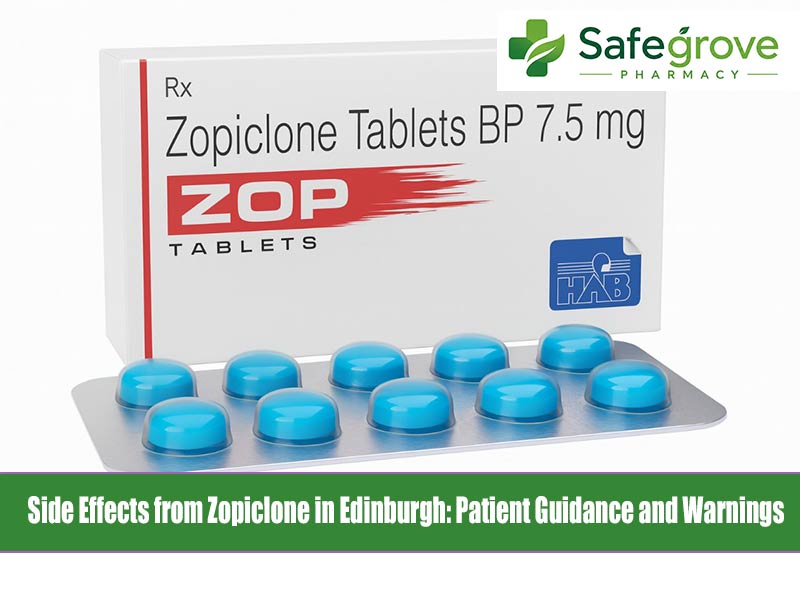
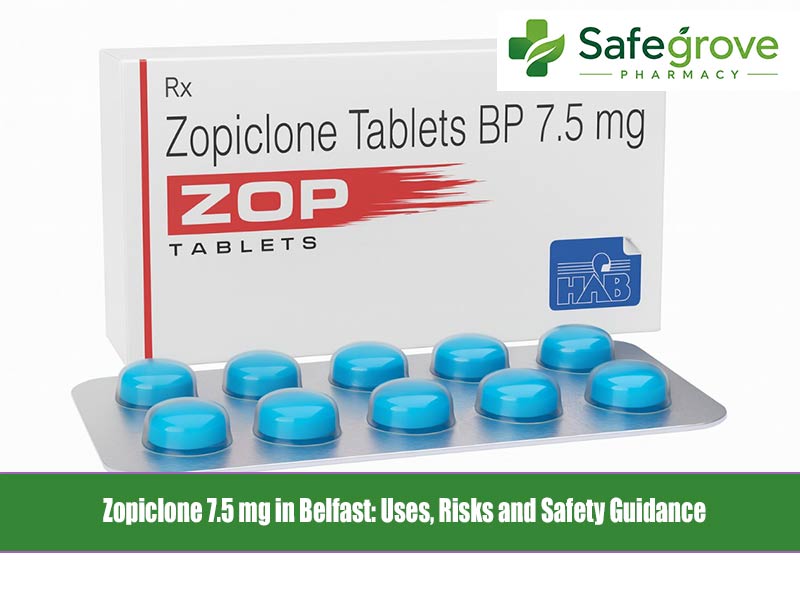
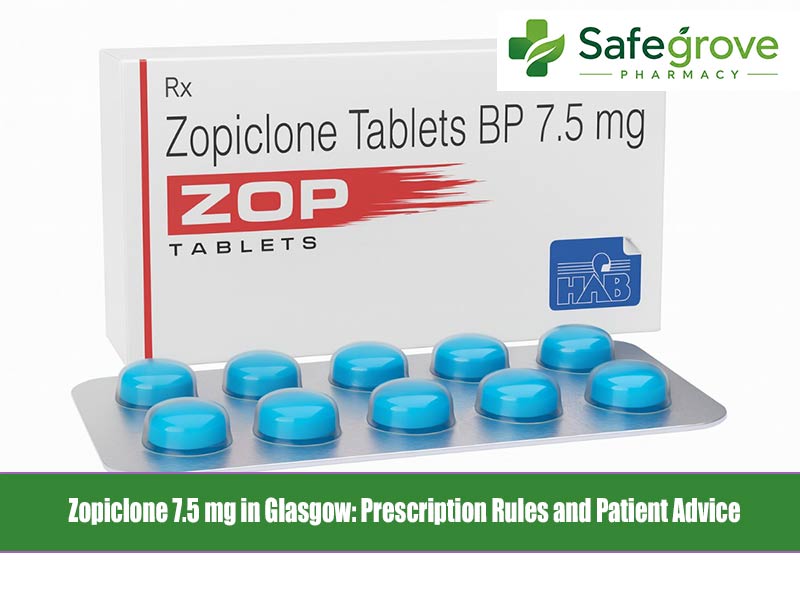
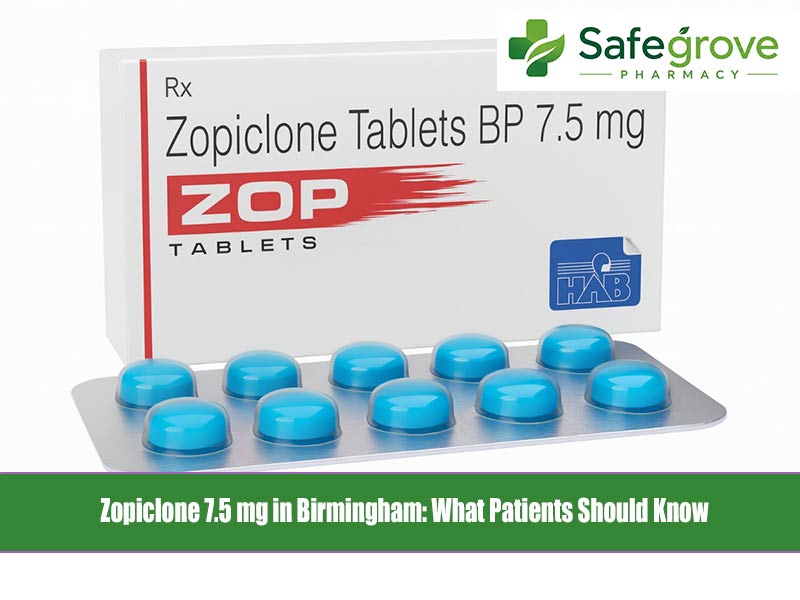
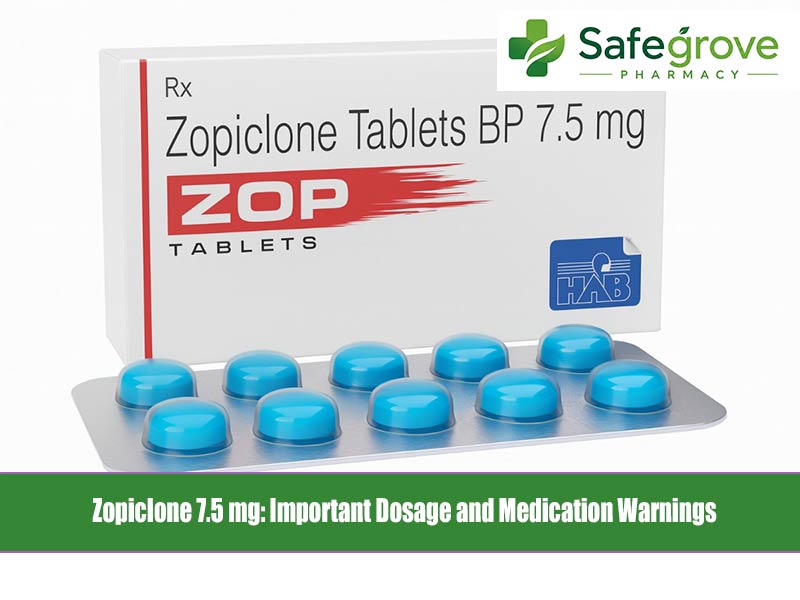
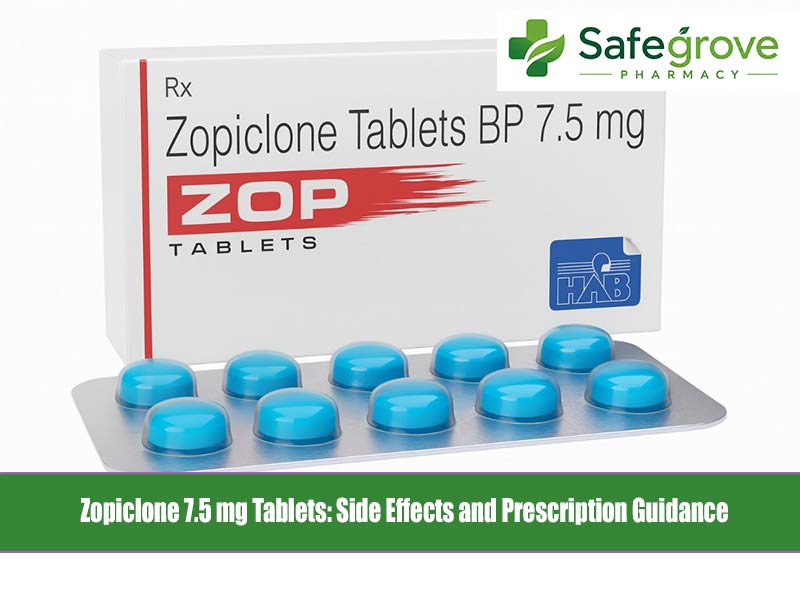
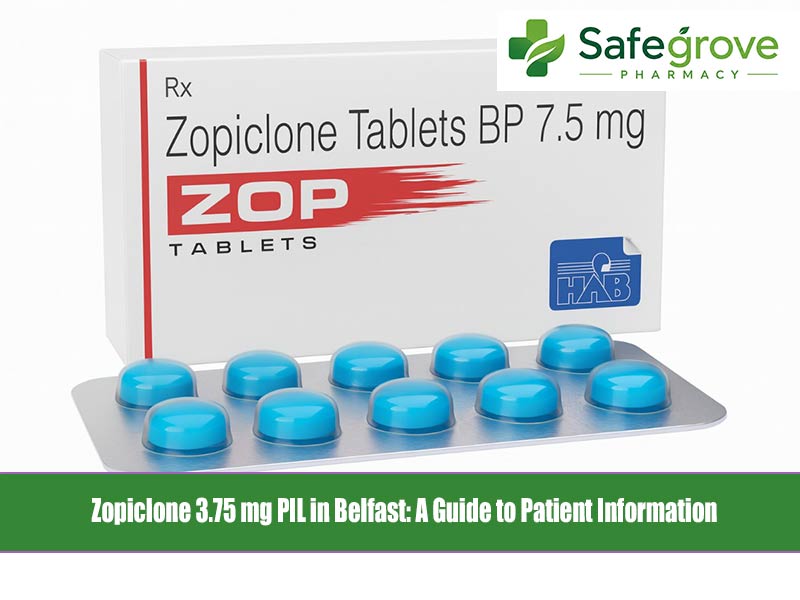
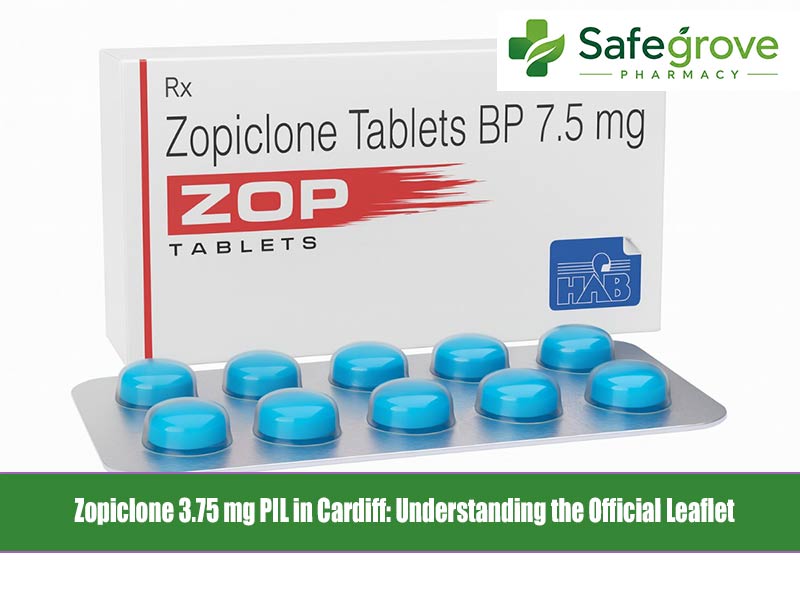
Zopiclone is a prescription-only sleeping tablet belonging to a class of medicines known as non-benzodiazepine hypnotics, commonly called Z-drugs. In the UK, it is available as 3.75 mg and 7.5 mg film-coated tablets (also previously known under the brand name Zimovane) and is classified as a Class C controlled drug under UK law.
Zopiclone works by enhancing the activity of gamma-aminobutyric acid (GABA), a naturally occurring calming chemical messenger in the brain. By slowing down overactive nerve signals, zopiclone helps you fall asleep faster, reduces nighttime awakenings, and lengthens total sleep duration.
Because your body quickly adapts to its sedative action, UK clinical guidelines—including those from the National Institute for Health and Care Excellence (NICE) and NHS Scotland—recommend prescribing zopiclone strictly for short-term severe insomnia, typically for 2 to 4 weeks at most, alongside non-drug approaches such as Cognitive Behavioural Therapy for Insomnia (CBT-I) and good sleep hygiene.
Summary of Side Effects from Zopiclone by Frequency
According to official UK Electronic Medicines Compendium (emc) Patient Information Leaflets and the British National Formulary (BNF), adverse effects vary in how frequently they occur:
Frequency Category
Estimated Incidence
Reported Symptoms
Recommended Action
Common
Up to 1 in 10 people
Bitter or metallic taste, dry mouth, next-day drowsiness or sleepiness
Usually mild; avoid driving for 12 hours; speak to a pharmacist if persistent
Uncommon
Up to 1 in 100 people
Dizziness, headache, nausea or vomiting, nightmares, physical/mental fatigue, agitation
Consult your GP or pharmacist for dose or timing advice
Rare
Up to 1 in 1,000 people
Confusion, irritability or aggression, itchy lumpy rash (urticaria), reduced libido, shortness of breath
Contact your GP or call NHS 24 (111) promptly
Frequency Not Known
Cannot be estimated from available data
Sleepwalking or complex sleep behaviours, memory loss (amnesia), hallucinations, delusions, low mood, double vision, poor coordination, dependence
Seek urgent medical review; call 999 if breathing is affected or severe allergy occurs
Most people who take zopiclone at the prescribed bedtime dose experience mild, predictable effects linked to how the medicine is processed by the body.
1. Bitter or Metallic Taste (Dysgeusia)
A persistent bitter or metallic taste is the most frequently reported side effect of zopiclone. Small amounts of the medicine are excreted into your saliva after the tablet is absorbed, which can linger into the following morning.
Practical tip: Sipping cold water, brushing your teeth and tongue upon waking, or chewing sugar-free gum can help clear the taste without affecting your medication.
2. Dry Mouth (Xerostomia)
Zopiclone temporarily reduces saliva flow overnight, leaving your mouth and throat feeling dry when you wake.
Practical tip: Keep a glass of water on your bedside table, avoid caffeinated or sugary drinks late in the evening, and ask your Zopiclone Direct UK team about sugar-free saliva substitutes if dryness becomes uncomfortable.
3. Next-Day Drowsiness and Reduced Alertness
Even though zopiclone is designed to clear from your system overnight, residual sedation—often called a “hangover effect”—can leave you feeling heavy-headed, slow to react, or drowsy the next morning. This is more likely if you take the higher 7.5 mg dose, sleep for fewer than 7 to 8 hours, or are an older adult.
Less Common and Uncommon Side Effects
Affecting roughly 1 in 100 patients, uncommon side effects generally settle as your body adjusts or once the short course finishes:
Dizziness or light-headedness: Particularly noticeable if you get out of bed during the night to use the bathroom.
Morning headaches or mild nausea: Taking the tablet with a plain glass of water just before getting into bed can reduce stomach upset.
Vivid dreams or nightmares: Changes in sleep architecture can occasionally trigger intense dreaming.
Daytime fatigue or mild agitation: Paradoxically, some patients feel restless or irritable the day after taking a hypnotic.
Serious Side Effects and Red-Flag Warnings
While serious reactions are rare, certain symptoms indicate that zopiclone is affecting your nervous system, breathing, or immune response dangerously.
Complex Sleep Behaviours (Parasomnias)
Zopiclone can occasionally trigger sleepwalking or complex activities performed while you are not fully awake, with no memory of the event the next day. Documented behaviours include:
Preparing and eating food (“sleep-eating”)
Making phone calls or sending messages
Leaving the house or driving while asleep (“sleep-driving”)
The risk increases significantly if you drink alcohol, take higher doses, or combine zopiclone with other sedatives. If anyone notices you performing tasks while asleep, stop taking zopiclone and contact your doctor immediately.
Psychiatric and Behavioural Changes
Rarely, zopiclone causes paradoxical reactions rather than calm sleep. Seek medical advice promptly if you or a family member notice:
Hallucinations (seeing or hearing things that are not real) or delusions
Severe confusion, memory gaps (anterograde amnesia), or uncharacteristic aggression
Worsening low mood, depression, or thoughts of self-harm or suicide
Breathing Difficulties (Respiratory Depression)
Zopiclone suppresses the central nervous system and can slow breathing rate, particularly in people with existing lung conditions (such as COPD), severe sleep apnoea, or neuromuscular conditions like myasthenia gravis.
Severe Allergic Reaction (Anaphylaxis)
Though rare, an immediate allergic reaction is a medical emergency.
When to Seek Medical Help in Edinburgh and Across the UK
Knowing where to turn ensures you receive the right level of care without delay:
Call 999 or go to your nearest A&E (such as the Royal Infirmary of Edinburgh) immediately if:
Your lips, face, tongue, or throat begin to swell, or you develop a sudden rash with tightness in your chest (signs of anaphylaxis).
You or someone else experiences slow, shallow, or laboured breathing, extreme unresponsiveness, or suspected overdose.
Do not drive yourself to A&E. Ask someone else to drive or wait for an ambulance.
Call NHS 24 on 111 (Scotland, England, and Wales) or contact your GP urgently if:
You experience hallucinations, severe confusion, memory blackouts, or sleepwalking.
You have thoughts of harming yourself or feel severely depressed.
You accidentally took more than one tablet in a single night.
Speak to a Pharmacist or Book a Routine GP Review if:
Dry mouth, a metallic taste, mild headaches, or next-day grogginess persist or interfere with your day.
You feel the medicine is no longer helping you sleep.
Next-Day Alertness, Driving, and Workplace Safety
Under UK road traffic law (Section 4 and Section 5A of the Road Traffic Act), it is a criminal offence to drive if your ability is impaired by a prescribed medicine, or if you have certain controlled drugs above specified limits without a valid prescription and medical fitness to drive.
Follow the 12-Hour Rule: The NHS advises that you must not drive, ride a bicycle, or operate heavy machinery for at least 12 hours after taking zopiclone.
Check How You Feel: Even after 12 hours have passed, do not get behind the wheel if you still feel sleepy, dizzy, dazed, or slow to react.
Co-Sleeping Warning for Parents: If you are breastfeeding or caring for an infant, never share a bed (co-sleep) with your baby after taking zopiclone. Sedating medicines reduce your awareness during sleep and significantly increase the risk of Sudden Infant Death Syndrome (SIDS).
Dangerous Interactions: Alcohol and Other Medicines
Combining zopiclone with other substances that slow down the central nervous system can dangerously amplify side effects, leading to profound sedation, coma, or fatal breathing suppression.
Do not drink alcohol while taking zopiclone. Even small amounts of beer, wine, or spirits intensify zopiclone’s sedative effect, increasing the likelihood of next-day impairment, sleepwalking, memory blackouts, and breathing difficulties during sleep.
Always tell your GP or Zopiclone Direct UK pharmacist about every prescribed medicine, over-the-counter remedy, or herbal supplement you take. Key interactions include:
Slows breakdown of zopiclone in the liver, increasing blood levels and side effects
Epilepsy & Herbal Remedies (CYP3A4 Inducers)
Carbamazepine, phenytoin, rifampicin, St John’s Wort
Speeds up breakdown of zopiclone, making your sleeping tablet less effective
Side Effects of Zopiclone in Older Adults
Older adults (aged 65 and over) process medicines more slowly through the liver and kidneys, making them significantly more sensitive to the side effects from zopiclone.
For older patients in Edinburgh and across the UK, prescribers routinely start at the lower 3.75 mg dose rather than 7.5 mg. Key risks in older adults include:
Falls and Fractures: Nighttime dizziness, muscle relaxation, and impaired balance dramatically raise the risk of tripping when getting up in the dark.
Acute Confusion and Memory Problems:Zopiclone can mimic or worsen signs of cognitive impairment or delirium, particularly in frail patients.
Prolonged Daytime Sedation: Slower clearance means drowsiness can persist well into the afternoon.
Caregiver Safety Checklist: Ensure bedroom hallways are free from loose rugs, install a low-level nightlight for safe bathroom trips, and speak with a pharmacist if an older relative seems unusually confused or unsteady.
Long-Term Use, Tolerance, Dependence, and Withdrawal
Zopiclone is licensed strictly for short-term relief—not chronic, ongoing insomnia. Understanding how dependence develops helps you use the medicine safely:
Tolerance: If taken nightly for more than 2 to 4 weeks, your brain’s GABA receptors adapt, meaning the same dose stops working as effectively. Never take an extra tablet to compensate.
Dependence and Addiction: Both physical and psychological dependence can develop, particularly with higher doses, prolonged courses, or a personal history of alcohol or substance misuse.
Rebound Insomnia and Withdrawal Symptoms: Stopping zopiclone abruptly after regular use can trigger rebound insomnia (where sleep problems temporarily return worse than before), alongside anxiety, restlessness, sweating, tremors, palpitations, headaches, and irritability.
Never stop taking zopiclone suddenly without medical guidance. If you have been taking it for more than a few weeks, your GP will design a gradual dose-reduction (tapering) schedule so your nervous system can readjust comfortably.
Addressing Specific Questions: Weight Gain, Constipation, and Anxiety
Patients frequently search online for links between zopiclone and other physical or emotional changes. Here is what UK clinical evidence shows:
Does zopiclone cause weight gain? Weight gain is not listed as a recognised side effect in UK Patient Information Leaflets or the BNF. Rarely, people who experience nocturnal “sleep-eating” episodes may consume extra calories without remembering, or poor sleep itself may disrupt appetite hormones.
Does zopiclone cause constipation? Constipation is not a standard side effect of zopiclone, although mild indigestion or nausea can occur uncommonly. Dehydration from dry mouth or reduced daytime activity may contribute indirectly.
Does zopiclone cause anxiety? While zopiclone calms nervous system activity overnight, agitation, restlessness, and irritability are recognised uncommon or rare side effects. More commonly, anxiety occurs as a withdrawal symptom between doses or when stopping the medication abruptly.
What to Do If Side Effects Are Troublesome
If you are struggling with unwanted effects while taking zopiclone, follow these safe steps:
Do not alter your dose yourself: Never split, double, or abruptly stop your tablets without consulting your prescriber.
Take it correctly at bedtime: Swallow the tablet whole with water immediately before getting into bed, ensuring you have a full 7 to 8 hours available for sleep.
Skip missed doses safely: If you forget to take zopiclone at bedtime, skip that dose and wait until the following night. Never take a tablet in the middle of the night or take a double dose.
Report suspected side effects: You can report any side effects directly to the UK regulator via the MHRA Yellow Card Scheme (yellowcard.mhra.gov.uk), helping improve medicine safety for patients nationwide.
Frequently Asked Questions
1. What are the most common side effects from zopiclone?
The most common side effects from zopiclone affect up to 1 in 10 people and include a bitter or metallic taste in the mouth, dry mouth, and feeling drowsy, tired, or less alert the following day. These effects are usually mild and temporary, though you should speak to a pharmacist or GP if they bother you or persist.
2. How long does the metallic taste from zopiclone last?
The bitter or metallic taste typically appears shortly after taking the tablet and often lasts into the following morning as your body clears the medicine through your saliva. Drinking plenty of water, brushing your teeth and tongue upon waking, and chewing sugar-free gum can help reduce the taste, which usually resolves once you finish your course.
3. Can I drive the morning after taking zopiclone?
You must not drive, ride a bike, or operate machinery for at least 12 hours after taking zopiclone. Even after 12 hours have passed, do not drive if you still feel sleepy, dazed, dizzy, or less alert than usual, as driving while impaired by prescription medication is unsafe and illegal in the UK.
4. Is it safe to drink alcohol while taking zopiclone?
No, you must avoid alcohol completely while taking zopiclone. Combining alcohol with zopiclone dangerously increases sedative effects, making it very difficult to wake up and raising the risk of slow breathing, memory blackouts, falls, and complex sleep behaviours such as sleepwalking.
5. What happens if I take zopiclone with codeine, diazepam, or amitriptyline?
Taking zopiclone alongside opioid painkillers (like codeine), benzodiazepines (like diazepam), or sedating antidepressants (like amitriptyline) significantly increases central nervous system depression. This combination can cause extreme drowsiness, poor coordination, dangerous breathing suppression, and coma, so always check with a GP or pharmacist before combining medicines.
6. Why is the 3.75 mg dose of zopiclone often prescribed instead of 7.5 mg?
The lower 3.75 mg dose is commonly prescribed for older adults (aged 65 and over), people with liver or kidney impairment, or patients sensitive to sedatives. Starting at 3.75 mg reduces the risk of next-day drowsiness, daytime confusion, dizziness, and falls while still supporting short-term sleep onset.
7. Can zopiclone cause weight gain or constipation?
Neither weight gain nor constipation is listed as a direct side effect in official UK zopiclone Patient Information Leaflets. If you notice unexpected weight changes, it may relate to underlying sleep disruption or rare nocturnal sleep-eating episodes, while mild indigestion or dry mouth can occasionally affect digestion.
8. Why do I feel anxious after taking zopiclone?
Although zopiclone is prescribed to help you sleep, paradoxical agitation, irritability, or restlessness can occur uncommonly. More frequently, heightened anxiety appears as a rebound or withdrawal symptom if a dose wears off early or if you stop taking zopiclone suddenly after regular nightly use.
9. How long can you safely take zopiclone in the UK?
Under UK clinical guidance from NICE and the NHS, zopiclone is recommended only for short-term severe insomnia, usually for 2 to 4 weeks or less. Longer use increases the likelihood of tolerance (needing higher doses for the same effect), physical dependence, and withdrawal symptoms when stopping.
10. How do I safely stop taking zopiclone if I have been using it for weeks?
Do not stop taking zopiclone abruptly, as sudden discontinuation can trigger severe rebound insomnia, anxiety, sweating, shaking, and palpitations. Speak to your GP or prescriber, who will create a gradual dose-reduction plan to taper your dose safely while supporting you with non-drug sleep strategies.