Coping with chronic, severe sleeplessness in a bustling city like Leeds can take a heavy toll on your daytime energy, concentration, and emotional well-being. When lifestyle adjustments, proper sleep hygiene, and over-the-counter remedies fail to provide relief, a UK healthcare professional may consider prescribing zopiclone 7.5 mg tablets as a targeted short-term intervention.
Because zopiclone is a strictly regulated prescription-only medicine in the United Kingdom, understanding its therapeutic scope, potential side effects, official Patient Information Leaflet (PIL) guidelines, and safety precautions is essential. At Zopiclone Direct UK, we prioritise patient safety, clinical transparency, and evidence-based guidance aligned with the NHS, the British National Formulary (BNF), and the Medicines and Healthcare products Regulatory Agency (MHRA).
In this comprehensive guide, you will learn:
What zopiclone 7.5 mg is and why doctors restrict its use to short-term therapy.
How the medication interacts with calming neurotransmitters in the central nervous system.
How to find and interpret your official zopiclone 7.5 mg patient information leaflet.
Detailed side effects, ranging from common metallic tastes to rare neurological reactions.
Critical safety precautions regarding alcohol, sedating medicines, and next-day driving.
Clinical differences between zopiclone 3.75 mg and 7.5 mg strengths.
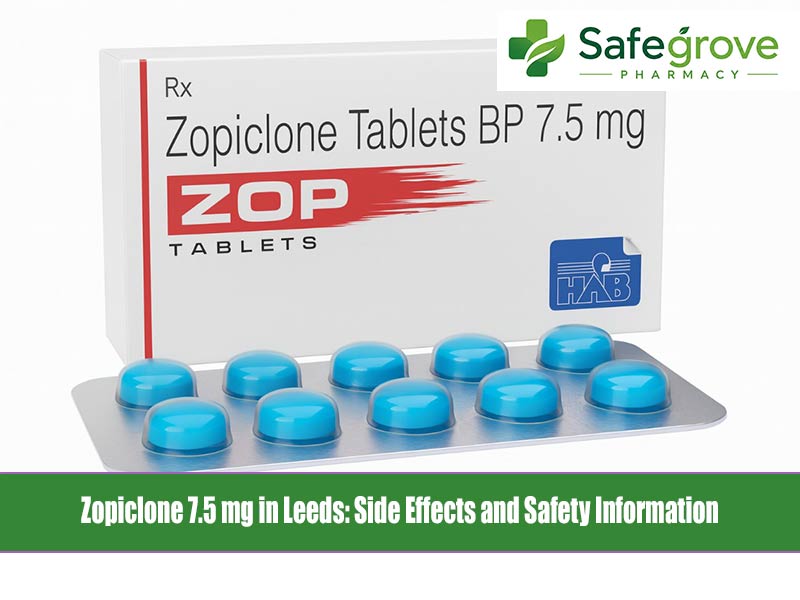
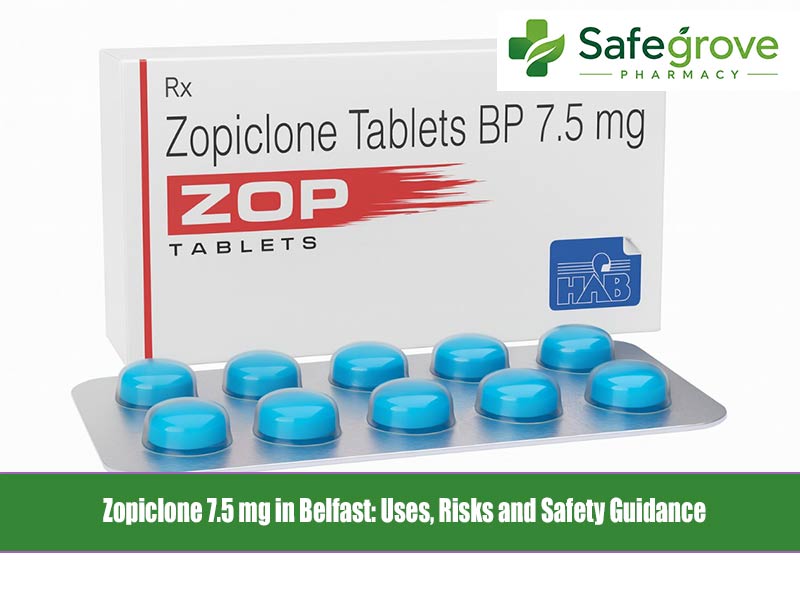
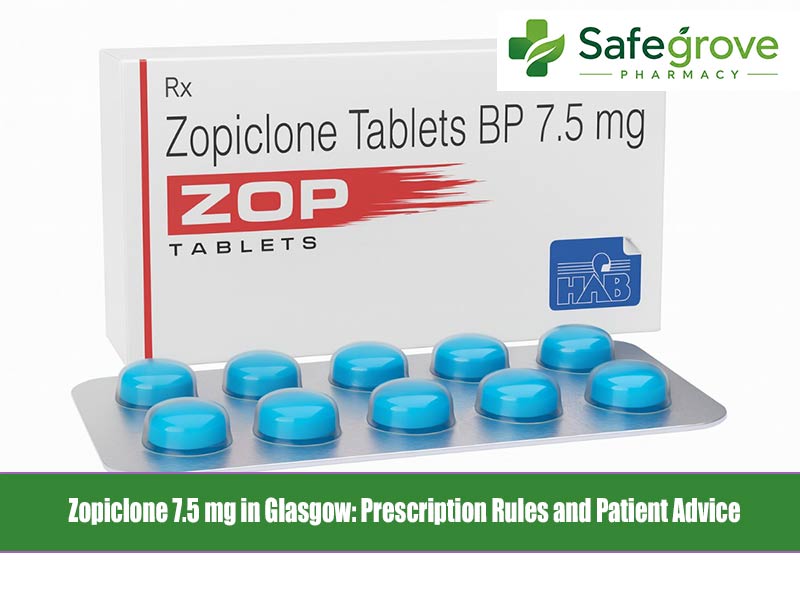
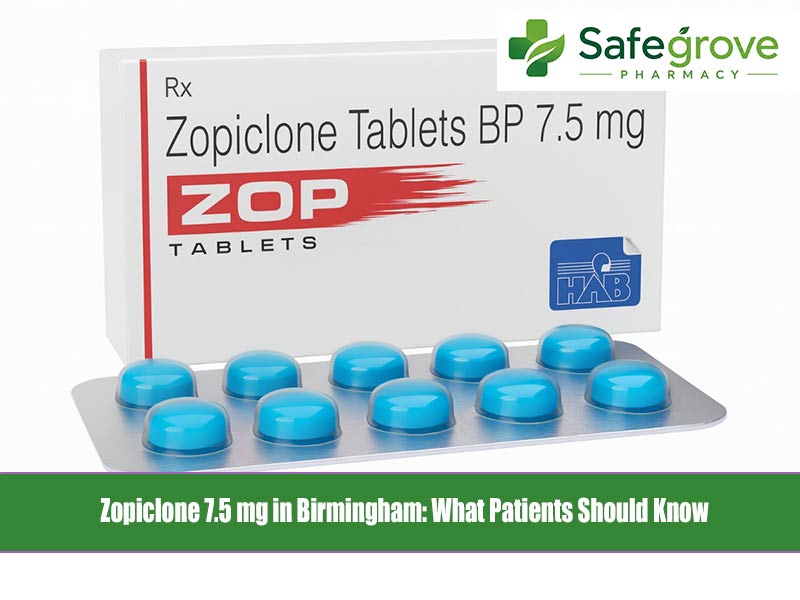
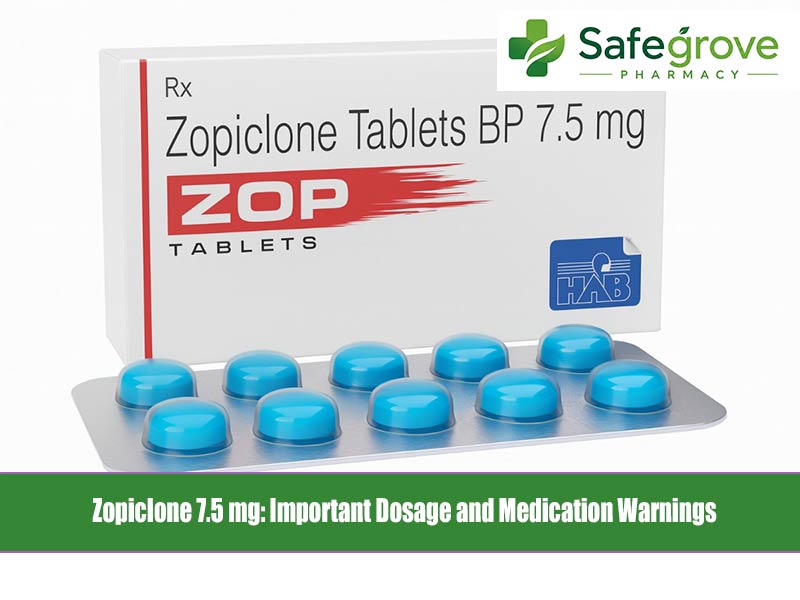
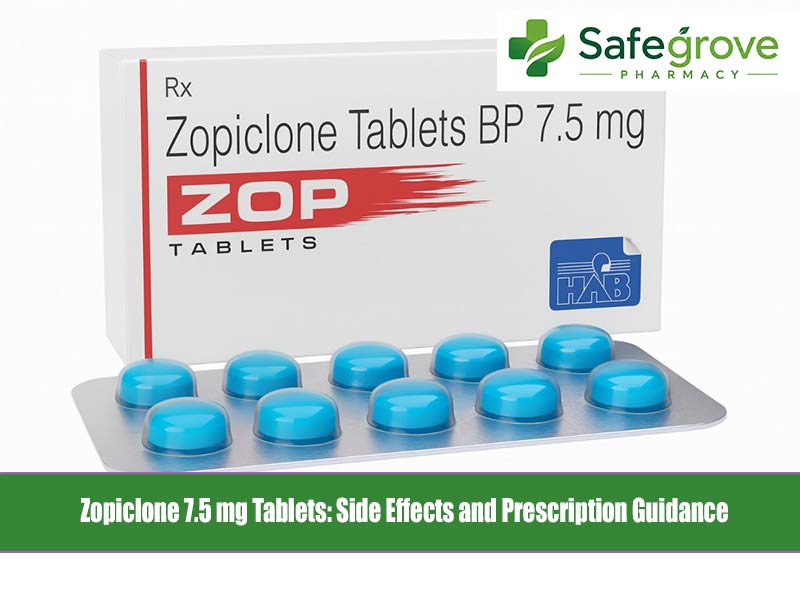
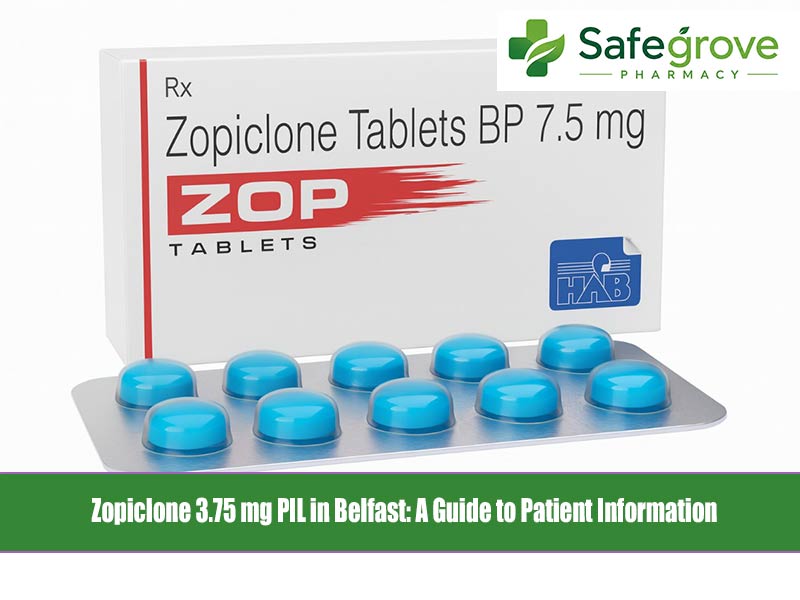
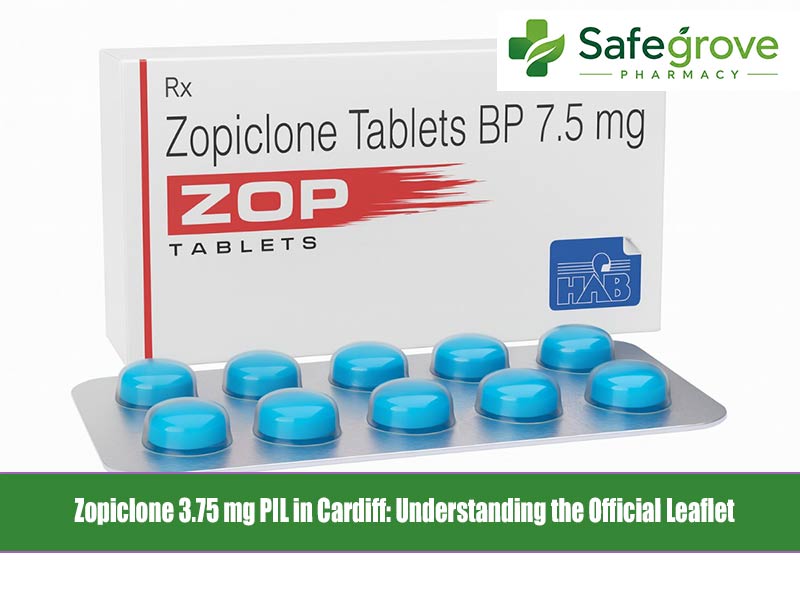
Zopiclone 7.5 mg is an adult prescription sleeping medication classified pharmacologically as a non-benzodiazepine hypnotic, commonly referred to as a “Z-drug”. Although chemically distinct from traditional benzodiazepine tranquilizers, zopiclone produces similar sedative and sleep-promoting actions on the central nervous system.
Difficulty falling asleep (sleep-onset insomnia): Lying awake for extended periods before managing to drift off.
Waking during the night (sleep-maintenance insomnia): Repeated nocturnal awakenings that disrupt restorative rest.
Early morning waking: Waking prematurely without the ability to return to sleep, often accompanied by heightened daytime fatigue and anxiety.
Why Is Zopiclone Restricted to Short-Term Use?
Under UK clinical standards, including NICE and BNF recommendations, zopiclone is never intended as a permanent or long-term management strategy for chronic sleep disorders. A standard prescription course is strictly limited to between a few days and 2 to 4 weeks maximum, including any gradual dose-reduction period.
Restricting treatment duration protects patients against two primary pharmacological complications:
Pharmacological Tolerance: The central nervous system adapts rapidly to zopiclone, meaning the 7.5 mg dose gradually loses its sleep-inducing effectiveness after several weeks of continuous nightly use.
Dependence and Addiction Risk: Prolonged continuous use increases the likelihood of developing physical and psychological dependence, which can trigger rebound insomnia and withdrawal symptoms when stopping the medicine.
Understanding the 7.5 mg Strength and UK Prescribing Rules
In the UK, zopiclone film-coated tablets are manufactured in two primary therapeutic strengths: 3.75 mg and 7.5 mg (oral liquid formulations are also available for patients with swallowing difficulties).
For generally healthy adults under the age of 65, 7.5 mg taken as a single dose immediately before bedtime represents the standard adult dose and the maximum permitted daily dose. However, a 7.5 mg tablet is not appropriate for every patient. Prescribers strictly adhere to the clinical principle of utilising the lowest effective dose for the shortest possible duration.
Accessing Zopiclone Safely in Leeds and Across the UK
Whether you reside in Leeds city centre, surrounding West Yorkshire boroughs, or anywhere else across England, Scotland, Wales, or Northern Ireland, zopiclone is a Prescription-Only Medicine (POM) and a Schedule 4 (Part 1) Controlled Drug under UK law.
No Over-the-Counter Sales: You cannot legally purchase zopiclone over the counter at any high-street chemist. (Non-prescription sleep remedies like Nytol contain sedating antihistamines rather than Z-drugs.)
Mandatory Clinical Assessment: Obtaining zopiclone requires evaluation by a qualified UK prescriber—such as an NHS GP, a hospital clinician, or an authorised private prescriber—and dispensing through a General Pharmaceutical Council (GPhC) registered pharmacy.
Comparison: Zopiclone 3.75 mg vs. Zopiclone 7.5 mg
Patients frequently inquire why two different tablet strengths exist and how clinicians determine the appropriate prescription. The comparison table below outlines the clinical differences between the 3.75 mg and 7.5 mg formulations based on UK Summary of Product Characteristics (SmPC) data.
Clinical Parameter
Zopiclone 3.75 mg Tablets
Zopiclone 7.5 mg Tablets
Primary Patient Group
Older adults (aged 65+) and patients with impaired liver, kidney, or respiratory function
Generally healthy adults aged 18 to 64 experiencing severe acute insomnia
Clinical Role
Recommended starting dose for sensitive populations; also utilised during tapering schedules
Standard full adult dose and maximum permitted single nightly dose
Administration
Swallowed whole with water immediately before bedtime
Swallowed whole with water immediately before bedtime
Next-Day Sedation Risk
Reduced risk of residual morning grogginess, dizziness, or nocturnal falls
Higher sedative potency; mandates strict adherence to a 12-hour post-dose driving restriction
Dose Modification
Never increase to 7.5 mg without direct medical authorisation
Never exceed one 7.5 mg tablet in any single 24-hour period
Clinical Note: Only your prescribing clinician can determine whether 3.75 mg or 7.5 mg is suitable for your unique medical background. Never modify doses or split tablets without professional instruction.
How Zopiclone Works in the Brain and How Fast It Acts
To appreciate why zopiclone is effective for acute sleep disruption, examining its pharmacodynamics—how it interacts with neural chemistry—is essential.
Mechanism of Action: Enhancing GABA Pathways
Zopiclone exerts its therapeutic effect by binding to specific receptor sites in the brain known as GABA-A receptors. Gamma-aminobutyric acid (GABA) is the central nervous system’s primary inhibitory neurotransmitter, acting as the body’s natural calming agent.
When a patient takes a zopiclone 7.5 mg tablet:
The active pharmaceutical ingredient attaches to GABA receptor complexes.
This enhances the inhibitory action of GABA, quieting overactive neural circuits and racing thoughts.
As central nervous system arousal decreases, muscular tension relaxes, facilitating a smooth transition into sleep.
Onset and Duration of Action
How long does zopiclone take to work? NHS clinical guidance indicates that zopiclone is rapidly absorbed, typically initiating effects within 30 to 60 minutes. Because of this fast onset, patients must take their dose only when settled in bed and ready for sleep.
How long does zopiclone last? Zopiclone has an elimination half-life of approximately 5 hours in healthy adults (which can extend to 7 hours or longer in elderly patients or those with hepatic impairment). Its primary hypnotic activity spans 6 to 8 hours, underscoring the necessity of securing at least 7 to 8 hours of uninterrupted sleep before waking.
Prepare your sleep environment: Complete all evening routines, secure your residence, and turn off screens before taking your tablet.
Swallow whole with water: Ingest one 7.5 mg tablet whole with a glass of water. Do not crush, chew, or split unless instructed, as the film coating masks an intensely bitter taste.
Limit to once per night: Never take a second tablet during the night, regardless of when you wake up.
Follow intermittent dosing if prescribed: Your prescriber may advise taking zopiclone on only 2 or 3 nights per week rather than consecutively to mitigate tolerance risks.
Managing a missed dose: If you forget to take your tablet at bedtime, skip it entirely and take your normal dose the following night. Never double up.
Reading the Zopiclone 7.5 mg Patient Information Leaflet (PIL)
Every licensed carton of zopiclone dispensed in the UK includes an official Patient Information Leaflet (PIL) authorised by the MHRA. Whether your medication is generic zopiclone or a branded equivalent like Zimovane, the PIL serves as your definitive medical reference.
Digital copies of current UK PILs are accessible via the Electronic Medicines Compendium (emc) portal (medicines.org.uk). When reading your leaflet, pay close attention to several key sections:
Boxed Safety Warnings: Highlights risks of dependence, tolerance, and withdrawal symptoms associated with continuous use.
Section 2 (Contraindications & Precautions): Details medical conditions preventing safe use (such as myasthenia gravis, severe sleep apnoea, acute respiratory failure, and severe hepatic impairment) alongside alcohol and driving warnings.
Section 4 (Adverse Reactions): Catalogs potential side effects classified by frequency.
Section 5 & 6 (Excipients and Storage): Confirms storage requirements (below 25°C out of children’s reach) and lists inactive ingredients such as lactose monohydrate.
Side Effects of Zopiclone 7.5 mg: What to Expect and When to Seek Help
Like all prescription medicines, zopiclone 7.5 mg can provoke side effects, though individual responses vary. Most mild effects subside as the body adapts or once treatment concludes.
Common Adverse Effects (Affecting up to 1 in 10 people)
Bitter or metallic taste (dysgeusia): The most frequently reported side effect. Trace amounts of zopiclone excreted in saliva leave a noticeable metallic aftertaste upon waking.
Dry mouth: Can be alleviated by sipping water upon rising.
Next-day residual drowsiness: Feeling sluggish or experiencing reduced alertness the morning following ingestion.
Uncommon and Rare Side Effects
Dizziness, light-headedness, or mild tension headaches.
Gastrointestinal upset, nausea, or mild abdominal discomfort.
Visual disturbances, including blurred or double vision.
Muscle weakness or lack of physical coordination, elevating fall risks during nighttime bathroom visits.
Memory impairment (anterograde amnesia), particularly if sleep duration is restricted below 7 hours.
Serious Adverse Reactions: When to Seek Urgent Medical Care
Certain symptoms warrant immediate clinical evaluation through NHS 111 or emergency services:
Complex Sleep Behaviours (Parasomnias): Engaging in activities—such as sleepwalking, preparing food, making phone calls, or driving—while not fully conscious, with total amnesia of the event the following day. Discontinue use and contact your doctor immediately if this occurs.
Paradoxical Psychiatric Responses: Agitation, aggression, hallucinations, delusions, worsening insomnia, or emerging depressive symptoms and suicidal ideation.
Severe Allergic Reactions (Anaphylaxis): Facial, lip, or throat swelling, wheezing, severe skin rash, or acute breathing difficulties. Call 999 or attend your nearest emergency department immediately if signs of anaphylaxis appear.
Critical Safety Precautions, Alcohol, and Drug Interactions
Because zopiclone depresses central nervous system activity, combining it with other sedating agents or substances can lead to hazardous outcomes.
You must not consume alcohol while taking zopiclone. Alcohol acts synergistically with zopiclone, exponentially increasing central nervous system depression and raising the risk of:
Profound respiratory depression (dangerously slow or shallow breathing during sleep).
Extreme sedation resulting in unresponsiveness or difficulty waking.
Amplified memory gaps, confusion, and parasomnias.
Severe functional impairment the following day.
2. High-Risk Pharmacological Interactions
Always disclose all current prescriptions, over-the-counter purchases, and herbal supplements to your prescriber or Zopiclone Direct UK pharmacist. Notable BNF and emc interactions include:
Opioid Analgesics (Critical Warning): Combining zopiclone with strong painkillers—such as codeine, co-codamol, tramadol, morphine, oxycodone, fentanyl, or methadone—heightens the risk of profound sedation, respiratory depression, coma, and fatal overdose. Concomitant use is avoided unless clinically essential under close supervision.
Other CNS Depressants: Antidepressants, antipsychotics, anxiolytics, antiepileptics (e.g., gabapentin, pregabalin), and sedating antihistamines (e.g., promethazine, chlorphenamine) increase drowsiness.
CYP3A4 Enzyme Inhibitors: Zopiclone is metabolised in the liver primarily via the CYP3A4 enzyme pathway. Inhibiting drugs—including macrolide antibiotics (erythromycin, clarithromycin), azole antifungals (ketoconazole, itraconazole), and HIV protease inhibitors (ritonavir)—can elevate blood plasma levels of zopiclone, intensifying side effects.
CYP3A4 Enzyme Inducers: Substances accelerating hepatic metabolism—such as St John’s wort, rifampicin, and phenytoin—can decrease zopiclone efficacy.
3. Driving, Cycling, and Workplace Safety (The 12-Hour Rule)
Under UK road traffic legislation (Section 4 and Section 5A of the Road Traffic Act), driving while impaired by prescription medication is illegal, regardless of whether it is taken as directed.
Observe the 12-hour window: Do not drive a vehicle, ride a bicycle, or operate heavy machinery for at least 12 hours after ingesting zopiclone 7.5 mg.
Self-assess alertness: If residual drowsiness, dizziness, or impaired coordination persists past 12 hours, refrain from driving until full alertness returns.
4. Patient Groups Requiring Special Caution
Zopiclone is generally contraindicated or requires specialist oversight in patients with:
Myasthenia gravis (severe muscle weakness).
Severe sleep apnoea syndrome or acute respiratory failure.
Severe hepatic impairment, due to compromised drug clearance and potential toxicity.
Pregnancy or breastfeeding: Not routinely recommended, particularly during the third trimester or while nursing.
A history of substance or alcohol dependence.
Dependence, Tolerance, and Safe Withdrawal Guidance
Recognising the mechanisms of zopiclone dependence and withdrawal enables patients to approach short-term therapy with appropriate caution.
How Dependence Develops
When zopiclone is ingested consecutively for periods exceeding 2 to 4 weeks, neural receptors adapt to its presence. Discontinuing the medicine abruptly can lead to a sudden rebound in central nervous system excitability.
Why Gradual Tapering Is Essential
If you have used zopiclone 7.5 mg regularly for more than a few weeks, do not stop taking it abruptly. Abrupt cessation can induce rebound insomnia (where sleep disturbances temporarily worsen beyond baseline levels) alongside physical and psychological withdrawal manifestations, such as:
Heightened anxiety, inner restlessness, and agitation
Tremors, diaphoresis (sweating), and tachycardia (palpitations)
Headaches, muscle tension, and cognitive fog
Sensory hypersensitivity
Structured Tapering Protocols
When concluding therapy, your GP or pharmacist will design a gradual dose-reduction (tapering) schedule—such as stepping down from 7.5 mg to 3.75 mg or alternating nights—paired with non-pharmacological interventions like Cognitive Behavioural Therapy for Insomnia (CBT-I).
Frequently Asked Questions About Zopiclone 7.5 mg
1. What is zopiclone 7.5 mg prescribed for in the UK?
Zopiclone 7.5 mg is prescribed in the UK for the short-term management of severe insomnia in adults aged 18 and over. It assists individuals experiencing acute difficulties falling asleep, maintaining sleep, or waking prematurely, particularly when sleep loss causes significant daytime impairment.
2. How long does zopiclone 7.5 mg take to start working?
Zopiclone 7.5 mg is rapidly absorbed, typically initiating sedative effects within 30 to 60 minutes. Patients should take their dose only when ready for bed and able to dedicate a full 7 to 8 hours to uninterrupted sleep.
3. Can I buy zopiclone 7.5 mg over the counter in Leeds?
No. Zopiclone is a regulated Prescription-Only Medicine (POM) and Schedule 4 Controlled Drug in the UK. It cannot be purchased over the counter and requires a valid prescription from a registered UK clinician, dispensed via a GPhC-registered pharmacy.
4. What is the difference between zopiclone 3.75 mg and 7.5 mg?
The 7.5 mg tablet represents the standard full adult dose for healthy individuals aged 18 to 64. The 3.75 mg tablet is a reduced-strength formulation prescribed for older adults (65+), patients with impaired organ function, or those undergoing gradual dose tapering.
5. What information is contained in the zopiclone 7.5 mg Patient Information Leaflet (PIL)?
The official PIL inside the packaging outlines therapeutic indications, medical contraindications, drug and alcohol interactions, bedtime administration instructions, potential adverse effects, and warnings regarding dependence and withdrawal.
6. Can I drink alcohol while taking zopiclone 7.5 mg?
No. Alcohol consumption is strictly prohibited while taking zopiclone. Combining alcohol and zopiclone dangerously intensifies central nervous system depression, elevating risks of respiratory suppression, unresponsiveness, and severe next-day impairment.
7. What are the most common side effects of zopiclone 7.5 mg?
The most frequently reported side effects include a persistent bitter or metallic taste in the mouth, dry mouth, and residual daytime drowsiness or reduced alertness the following morning.
8. How long after taking zopiclone 7.5 mg can I safely drive?
Patients must wait at least 12 hours post-ingestion before driving, cycling, or operating machinery. If residual drowsiness, dizziness, or poor concentration persists past 12 hours, driving must be avoided.
9. What should I do if I wake up during the night after taking zopiclone?
If you wake during the night, do not take an additional zopiclone tablet. Dosing is strictly limited to once per 24 hours; taking extra tablets increases overdose risks and severe next-day grogginess.
10. How should I stop taking zopiclone 7.5 mg safely?
If you have used zopiclone regularly for more than a few weeks, avoid stopping abruptly. Consult your GP or pharmacist to establish a safe, gradual dose-reduction plan that minimises withdrawal risks and rebound insomnia.