When severe sleeplessness leaves you exhausted night after night, simple everyday tasks—concentrating at work, driving safely, or managing your mood—can quickly become overwhelming. If a UK doctor or prescriber has recommended zopiclone tablets to help break an acute cycle of insomnia, having clear, reliable patient information is vital before you take your first dose.
While zopiclone can offer fast, effective short-term relief from debilitating sleep disruption, it is a potent prescription-only medicine regulated under strict NHS and National Institute for Health and Care Excellence (NICE) guidelines. This comprehensive UK patient guide explains exactly how zopiclone works, what to check before taking it, how to manage side effects, and the critical safety rules—including UK driving laws and gradual stopping—that protect your health.
What Are Zopiclone Tablets and Why Are They Prescribed?
Zopiclone tablets are a type of sleeping pill known clinically as a non-benzodiazepine hypnotic, or “Z-drug”. In the United Kingdom, zopiclone is classified as a Prescription-Only Medicine (POM) and a Schedule 4 (Part 1) Class C controlled drug, meaning it can only be supplied legally with a valid prescription from a registered clinician.
Doctors in the UK prescribe zopiclone strictly for the short-term management of severe, disabling insomnia—including difficulty falling asleep (sleep-onset insomnia), waking repeatedly during the night (sleep-maintenance insomnia), or waking far too early in the morning.
How Zopiclone Works in Your Brain
-
Boosts Calming Signals: Zopiclone binds to specific GABA-A receptors in your central nervous system, enhancing the activity of gamma-aminobutyric acid (GABA)—the brain’s primary calming neurotransmitter.
-
Slows Brain Activity: By dampening overactive neural signalling, it reduces physical tension and racing thoughts, inducing drowsiness within 30 to 60 minutes.
-
Improves Sleep Continuity: It helps you stay asleep across a 7- to 8-hour period, reducing night-time awakenings.
Important Clinical Context: Under NICE guidelines (TA77), sleeping tablets like zopiclone are never intended as a long-term cure for chronic insomnia. They are prescribed as a temporary bridge while underlying triggers—such as acute grief, short-term stress, or shift-work disruption—are addressed, ideally alongside Cognitive Behavioural Therapy for Insomnia (CBT-I).
Before You Take Zopiclone: Medical Checks and Contraindications
Before starting zopiclone tablets, your GP or pharmacist will review your medical history to ensure the medicine is safe for you. According to the UK Patient Information Leaflet (PIL) and the British National Formulary (BNF), certain conditions make zopiclone unsafe.
Who Must Not Take Zopiclone?
Do not take zopiclone tablets if you have any of the following conditions:
-
Severe Sleep Apnoea Syndrome: A condition where breathing repeatedly stops and starts during sleep. Zopiclone relaxes upper airway muscles and suppresses respiratory drive, which can dangerously worsen breathing pauses.
-
Myasthenia Gravis: A rare autoimmune neuromuscular disorder causing severe muscle weakness.
-
Severe Liver Impairment: Because the liver breaks down zopiclone, severe liver disease prevents the drug from clearing properly, leading to toxic build-up in the bloodstream.
-
Respiratory Failure or Severe Breathing Difficulties: Acute or severe chronic lung conditions where oxygen levels are already compromised.
-
Previous Complex Sleep Behaviours: If you have ever experienced sleepwalking, sleep-driving, or performing activities while not fully awake after taking zopiclone or similar Z-drugs (such as zolpidem).
-
Age Under 18: Zopiclone is not licensed or recommended for children and adolescents in the UK, as safety and efficacy have not been established in younger age groups.
Conditions Requiring Extra Caution
Tell your doctor or pharmacist before taking zopiclone if you:
-
Have mild-to-moderate liver or kidney problems.
-
Have a history of depression, anxiety, or other mental health conditions (sedatives can occasionally unmask or worsen low mood and suicidal thoughts).
-
Have a history of alcohol dependency or substance misuse.
-
Are aged 65 or older (older adults process zopiclone more slowly and face a higher risk of night-time falls and confusion).
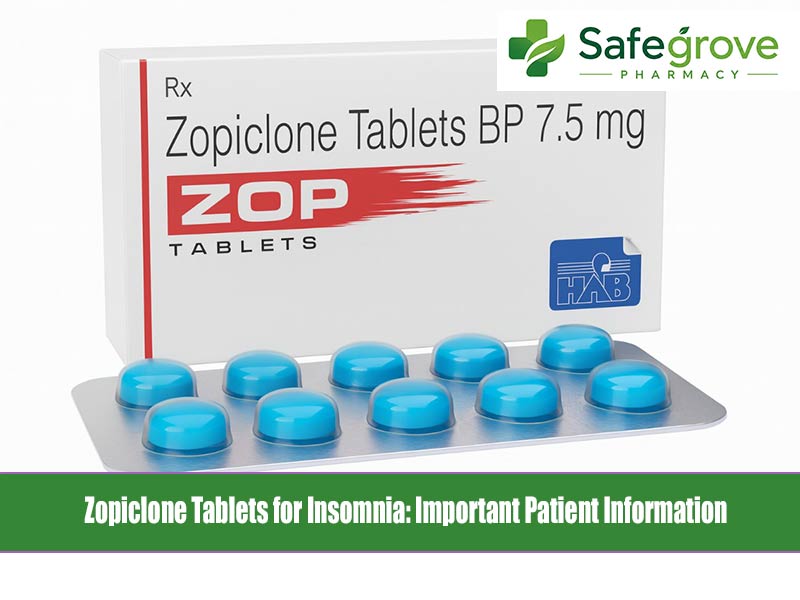
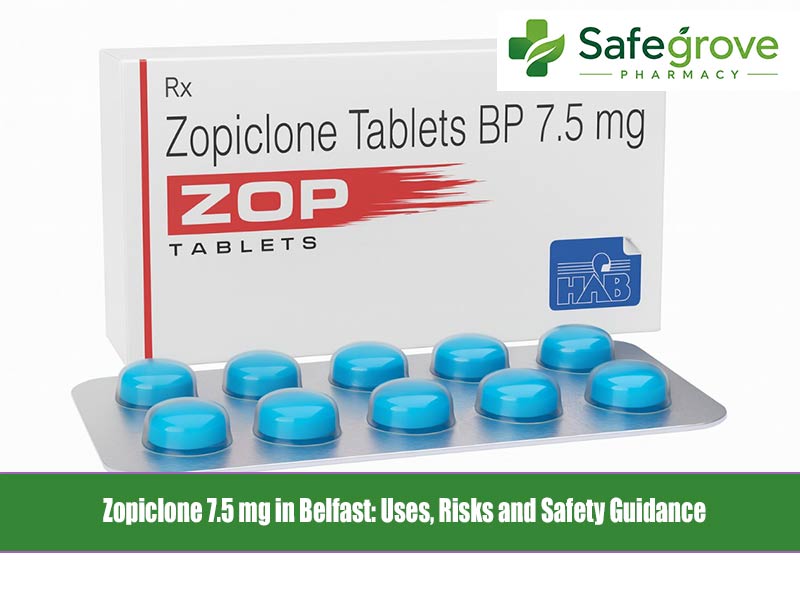
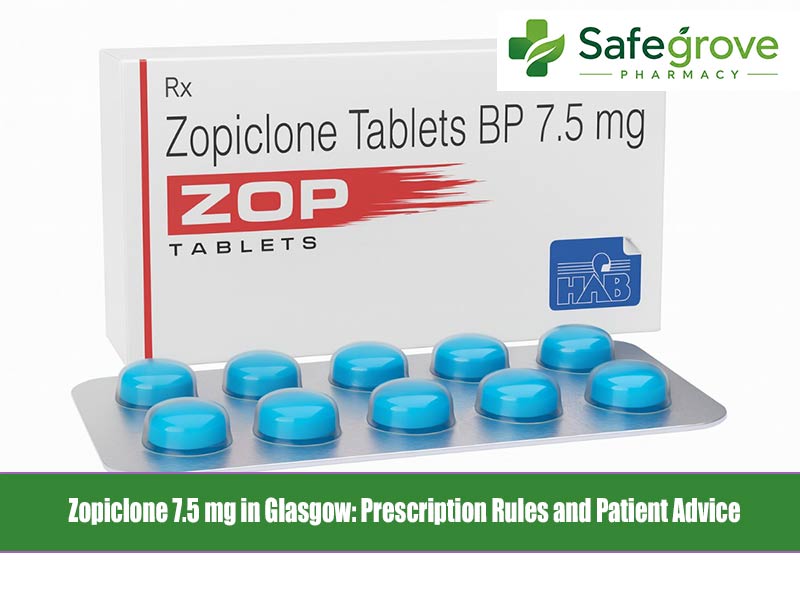
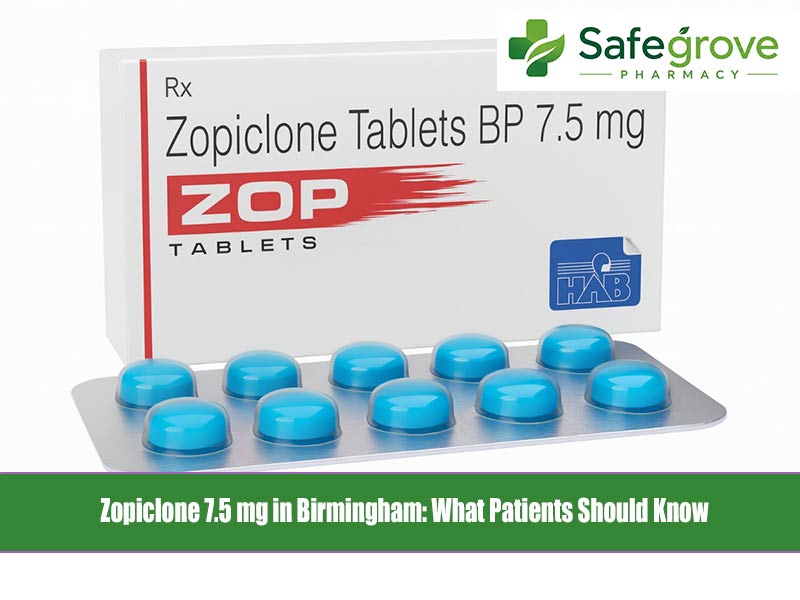
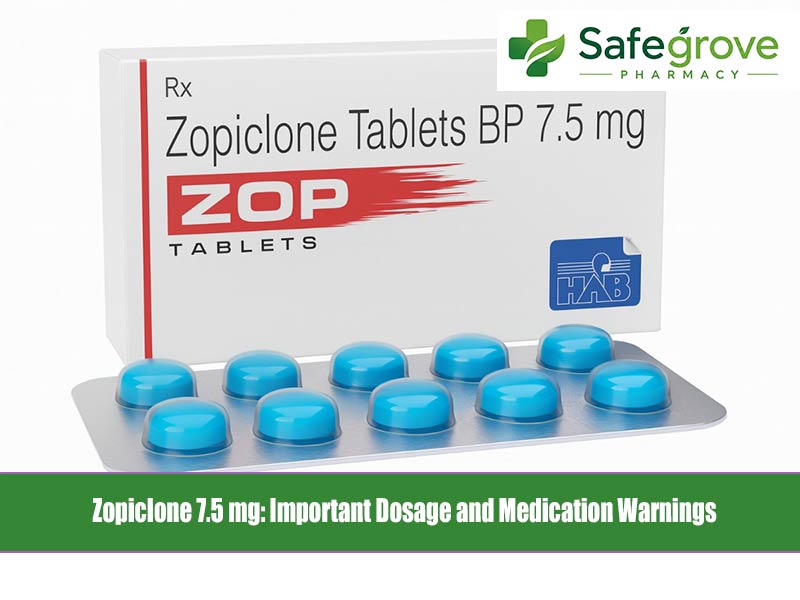
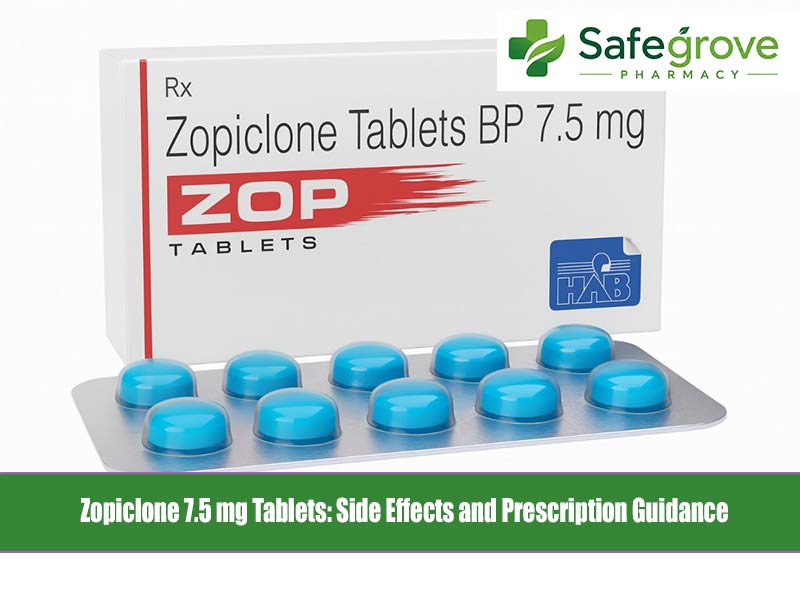
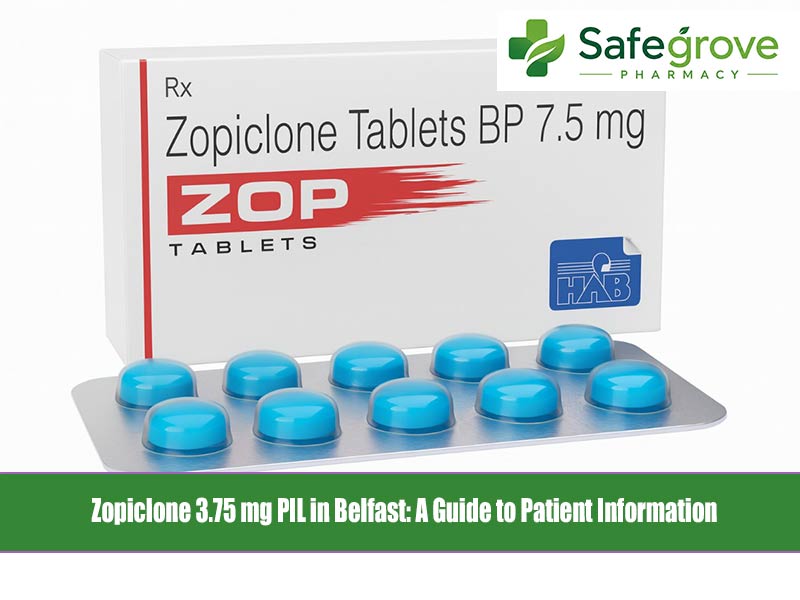
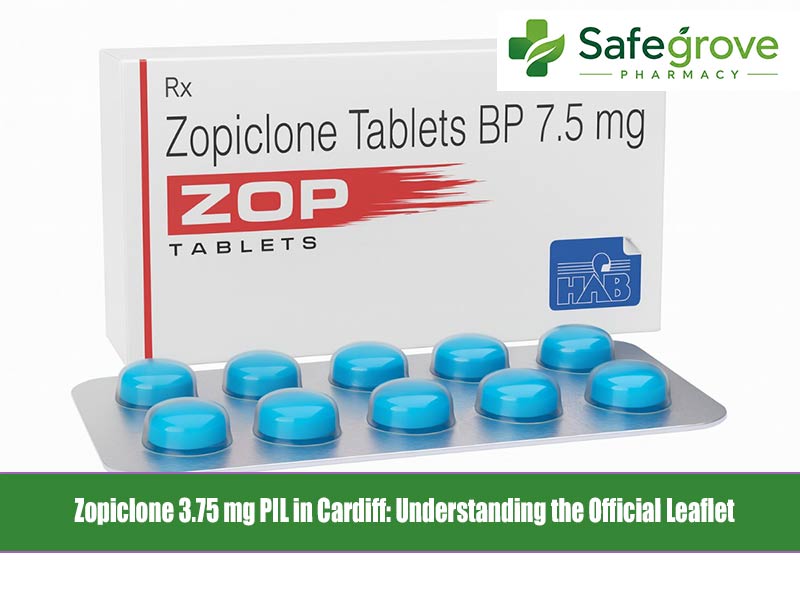
Zopiclone tablets in the UK are supplied in two film-coated strengths: 3.75mg and 7.5mg. Always follow the exact instructions printed on your pharmacy dispensing label.
UK Standard Dosing Overview
| Patient Category |
Typical Starting Dose |
When to Take |
Maximum Course Length |
| Adults (18 to 64 years) |
7.5mg (one 7.5mg tablet or two 3.75mg tablets) |
Immediately before getting into bed |
2 to 4 weeks (including tapering) |
| Older Adults (65+ years) |
3.75mg once nightly |
Immediately before getting into bed |
Up to 2 weeks (lowest dose preferred) |
| Mild/Moderate Liver or Kidney Issues |
3.75mg once nightly |
Immediately before getting into bed |
Short-term under close GP review |
| Chronic Respiratory Problems |
3.75mg once nightly (only if approved by doctor) |
Immediately before getting into bed |
Strictly short-term |
Step-by-Step Patient Administration Rules
-
Get Ready for Sleep First: Complete all evening routines—locking doors, turning off appliances, and preparing for bed—before taking your dose.
-
Take Immediately Before Bed: Swallow your tablet just as you get into bed, as drowsiness can begin rapidly.
-
Swallow Whole with Water: Swallow the tablet whole with a full glass of water. Do not crush, chew, or dissolve it, as the inner core has a very strong bitter taste. (Note: Only split a 7.5mg tablet if it has a break-line and your doctor or pharmacist specifically instructs you to take a 3.75mg half-dose).
-
Protect an 8-Hour Sleep Window: Only take zopiclone when you have 7 to 8 hours available for uninterrupted sleep before you need to wake up.
-
Never Take Two Doses in One Night: If you forget your bedtime dose, skip it and wait until the next night. Never take a tablet in the middle of the night if you wake up early, and never double up to make up for a missed tablet.
Drug, Alcohol, and Food Interactions to Avoid
Zopiclone interacts with several everyday substances and prescription medicines. Combining them can dangerously amplify sedation or alter how quickly your body clears the drug.
-
Alcohol (Strictly Prohibited): Never drink alcohol while taking zopiclone. Alcohol and zopiclone both depress the central nervous system; together, they can cause profound unconsciousness, dangerously slow breathing, severe memory blackouts, and unpredictable sleepwalking behaviours.
-
Opioid Painkillers: Taking zopiclone alongside opioid medicines—including codeine, co-codamol, tramadol, morphine, oxycodone, or fentanyl—carries a serious risk of severe sedation, respiratory depression, coma, and accidental overdose.
-
Other Sedating Medicines: Inform your pharmacist if you take sedating antihistamines (such as promethazine or diphenhydramine), antidepressants (especially tricyclics or mirtazapine), antipsychotics, benzodiazepines, or anti-epileptic drugs.
-
Medicines That Alter Liver Enzymes: Certain antibiotics (such as erythromycin or clarithromycin) and antifungal tablets (such as ketoconazole or itraconazole) slow down zopiclone breakdown, increasing next-day drowsiness. Conversely, medicines like rifampicin, carbamazepine, or the herbal remedy St John’s Wort can make zopiclone less effective.
-
Caffeine and Stimulants: Avoid tea, coffee, cola, energy drinks, and chocolate from mid-afternoon onwards, as caffeine stimulates the nervous system and directly opposes zopiclone’s sleep-inducing effect.
Critical UK Safety Precautions: Driving, Pregnancy, and Sleep Behaviours
1. UK Driving Rules and the Mandatory 12-Hour Wait
Under UK road traffic law (Section 4 of the Road Traffic Act 1988 and drug-driving regulations), it is a criminal offence to drive while your ability is impaired by any medicine—even when prescribed by a doctor.
-
Wait at Least 12 Hours: NHS guidance explicitly advises that you must not drive a car, ride a motorbike or bicycle, or operate machinery for at least 12 hours after taking zopiclone.
-
Perform a Morning Self-Check: If you take your tablet at 11:00 PM, do not drive before 11:00 AM the next morning. Even after 12 hours, if you still feel groggy, dizzy, or slow to react, do not get behind the wheel.
-
Carry Proof of Prescription: Keep your pharmacy prescription slip or medicine box with your name on it if driving after the 12-hour window, as roadside drug screening may detect prescription sedatives.
2. Complex Sleep Behaviours and Memory Loss
Zopiclone can occasionally trigger complex sleep behaviours—actions performed while you are asleep or in a semi-awake state, followed by complete amnesia (no memory of the event) the next morning. Reported behaviours include:
-
Sleepwalking around the house or outdoors.
-
Preparing and eating food while asleep.
-
Making phone calls or sending messages.
-
Driving a vehicle while asleep (“sleep-driving”).
If you or a household member notice any of these behaviours, stop taking zopiclone and contact your GP promptly. Taking zopiclone with alcohol or exceeding your prescribed dose dramatically increases this risk.
3. Pregnancy, Breastfeeding, and Safe Baby Care
-
Pregnancy: Zopiclone is generally avoided during pregnancy. Taking it in the final stages of pregnancy can cause drowsiness, low body temperature, weak muscle tone (“floppy infant syndrome”), or withdrawal symptoms in a newborn baby.
-
Breastfeeding: Small quantities of zopiclone pass into breast milk. Discuss safer alternatives with your GP or health visitor before taking zopiclone while breastfeeding.
-
Never Co-Sleep: Never share a bed, sofa, or armchair with a baby after taking zopiclone. Because zopiclone deepens sleep and reduces your responsiveness, co-sleeping significantly raises the risk of Sudden Infant Death Syndrome (SIDS).
Possible Side Effects and When to Seek Urgent Help
Not everyone experiences side effects from zopiclone tablets, and many mild effects ease as the medicine leaves your system each morning.
Common Side Effects (Affecting up to 1 in 10 patients)
-
Bitter or Metallic Taste (Dysgeusia): The most recognisable side effect of zopiclone. Because small amounts of the active drug are secreted into your saliva, you may notice a metallic or bitter aftertaste upon waking. Sipping cold water, rinsing your mouth, or brushing your teeth helps manage it.
-
Dry Mouth (Xerostomia): Keep water by your bedside and maintain good oral hygiene, as persistent dry mouth can increase tooth decay risk.
-
Next-Day Sleepiness or Fatigue: Feeling heavy-headed, sluggish, or less coordinated the following morning.
Uncommon or Rare Side Effects
-
Dizziness, light-headedness, or unsteadiness (increasing the risk of night-time falls if you get up to use the bathroom).
-
Headaches, nausea, indigestion, or mild stomach upset.
-
Vivid dreams, nightmares, irritability, or mild confusion.
When to Contact NHS 111 or Call 999 Immediately
Seek urgent medical assessment via NHS 111 or your GP if you experience:
-
Hallucinations (seeing or hearing things that are not there), severe confusion, or delusions.
-
Unusual agitation, aggression, restlessness, or worsening depression and thoughts of self-harm.
-
Memory blanks covering events after taking your tablet.
Call 999 immediately or go to the nearest A&E department if someone:
-
Has taken more zopiclone tablets than prescribed (suspected overdose).
-
Has very slow, shallow, or laboured breathing.
-
Cannot be woken up or loses consciousness.
-
Develops signs of a severe allergic reaction (anaphylaxis), such as swelling of the lips, face, tongue, or throat, or severe difficulty breathing.
UK patients and carers can also report suspected side effects directly to the Medicines and Healthcare products Regulatory Agency (MHRA) through the Yellow Card Scheme.
Tolerance, Dependence, and How to Stop Taking Zopiclone Safely
Understanding why UK doctors strictly cap prescriptions at 2 to 4 weeks helps you use zopiclone safely without running into long-term difficulties.
Tolerance vs. Dependence
-
Tolerance: Within 1 to 2 weeks of nightly use, your brain’s GABA receptors adapt to zopiclone. You may notice the tablet feels less effective than it did on night one. Never increase your dose to overcome tolerance—speak to your GP instead.
-
Dependence: Taking zopiclone every night beyond 4 weeks can lead to physical and psychological reliance, making it difficult to sleep naturally without the tablet.
Avoiding Rebound Insomnia When Stopping
If you have taken zopiclone continuously for more than 1 to 2 weeks, do not stop taking it suddenly without medical advice. Abruptly stopping can cause rebound insomnia—one or two nights where your sleep is noticeably worse than before you started treatment—alongside withdrawal symptoms such as:
-
Heightened anxiety, panic, or restlessness.
-
Tremors (shaking hands), sweating, and heart palpitations.
-
Headaches, muscle tension, and irritability.
Typical GP Tapering Approach
To keep you comfortable, your GP will usually recommend a gradual dose reduction (tapering) over 1 to 2 weeks:
-
Stepping down from 7.5mg to 3.75mg nightly for several nights.
-
Spacing doses out to every second or third night before stopping completely.
-
Pairing the taper with evidence-based sleep strategies—such as fixed wake-up times, morning daylight exposure, stimulus control, and CBT-I—so your natural sleep drive takes over smoothly.
Storage and Safe Disposal in the UK
-
Keep Out of Sight and Reach of Children: Store zopiclone tablets securely in their original blister pack and carton below 25°C, away from moisture and direct heat.
-
Never Share Your Prescription: Zopiclone is prescribed specifically for your medical profile. Sharing a Class C controlled medicine with family or friends is both dangerous and illegal in the UK.
-
Return Unused Tablets to a Pharmacy: If you have leftover zopiclone tablets after finishing your course, never flush them down the toilet or throw them in household waste. Return them to any local UK community pharmacy for safe, confidential destruction.
Frequently Asked Questions
1. How long do zopiclone tablets take to work?
Zopiclone tablets normally take 30 to 60 minutes to start working. Because the sedative effect comes on quickly, you should only swallow your tablet when you are already in bed and ready to sleep for a full 7 to 8 hours.
2. How long does zopiclone stay in your system?
Zopiclone has an average elimination half-life of around 5 hours in healthy adults (and up to 7 hours in adults aged 65 and over). Most of the sedative effect wears off within 7 to 8 hours, though trace amounts remain in your body longer—which is why UK rules require waiting at least 12 hours before driving.
3. Why do zopiclone tablets leave a bitter or metallic taste in my mouth?
A bitter or metallic taste (dysgeusia) is the most common side effect of zopiclone, affecting up to 1 in 10 people. After the tablet is absorbed into your bloodstream, tiny amounts are excreted in your saliva. It is harmless and fades naturally as your body clears the medicine.
4. Can I drive the morning after taking zopiclone?
You must wait at least 12 hours after taking zopiclone before driving, riding a bicycle, or operating machinery. Even after 12 hours, it is illegal under UK law to drive if you still feel drowsy, light-headed, or slow to react.
5. What should I do if I take zopiclone and still cannot fall asleep?
If you do not fall asleep after taking your prescribed dose, do not take another zopiclone tablet that night. Taking an extra tablet increases the risk of overdose, memory blackouts, and severe next-day impairment. Stay resting quietly in a dark, screen-free room, and inform your GP if the prescribed dose is not helping.
6. Can I drink alcohol while taking zopiclone tablets?
No. You must completely avoid alcohol while taking zopiclone. Combining alcohol and zopiclone dangerously amplifies sedation, increases the risk of sleepwalking and amnesia, and can suppress breathing to life-threatening levels.
7. Is zopiclone stronger than melatonin or herbal sleeping pills?
Yes. Zopiclone is a potent prescription-only central nervous system depressant (Z-drug) that directly enhances GABA brain signalling to induce sleep. Over-the-counter herbal remedies (such as valerian) and melatonin (a synthetic sleep hormone) work much more gently and do not carry the same risks of dependence or next-day driving impairment.
8. Can I take paracetamol or ibuprofen with zopiclone?
Yes, standard over-the-counter painkillers such as paracetamol and ibuprofen do not interact with zopiclone and are safe to take alongside it at normal doses. However, avoid painkillers containing codeine (like co-codamol) unless explicitly approved by your doctor, as opioid painkillers dangerously increase sedation.
9. Why will my UK GP only prescribe zopiclone for 2 to 4 weeks?
UK doctors follow NHS and NICE guidelines that limit zopiclone to 2 to 4 weeks because the body rapidly builds tolerance (making the tablets less effective) and can develop physical and psychological dependence. Short courses break acute insomnia cycles while safer long-term treatments like CBT-I are put in place.
10. How should I stop taking zopiclone tablets safely?
If you have taken zopiclone nightly for more than a week or two, speak to your GP before stopping rather than quitting abruptly. Your doctor will typically advise gradually lowering your dose (for example, from 7.5mg to 3.75mg) or spacing out doses over several nights to prevent rebound insomnia and withdrawal symptoms.