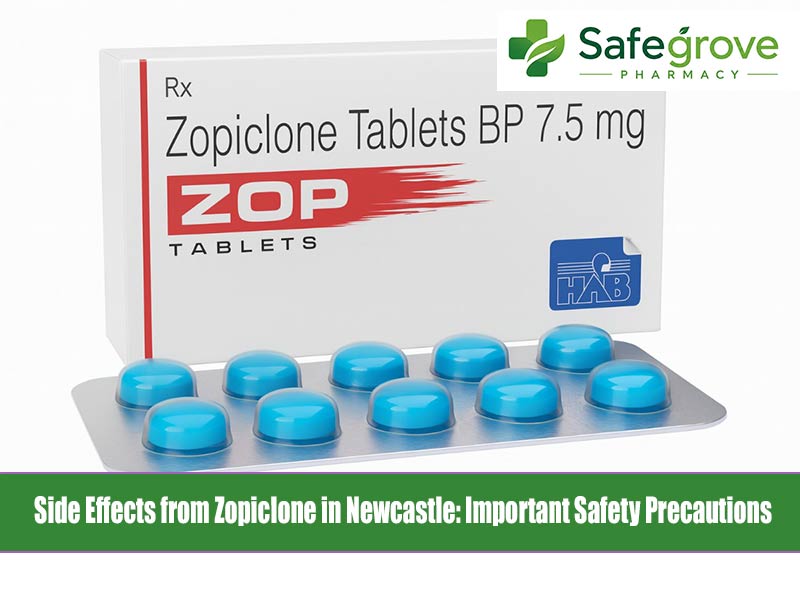
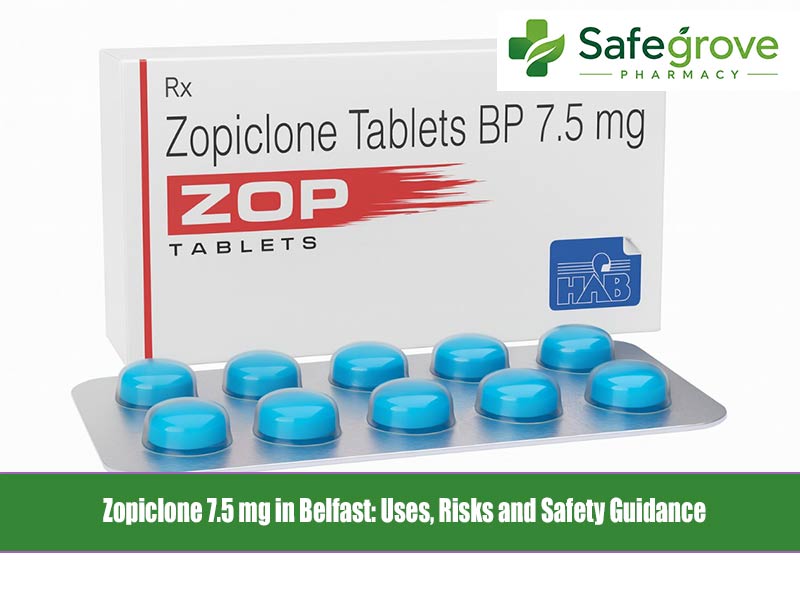
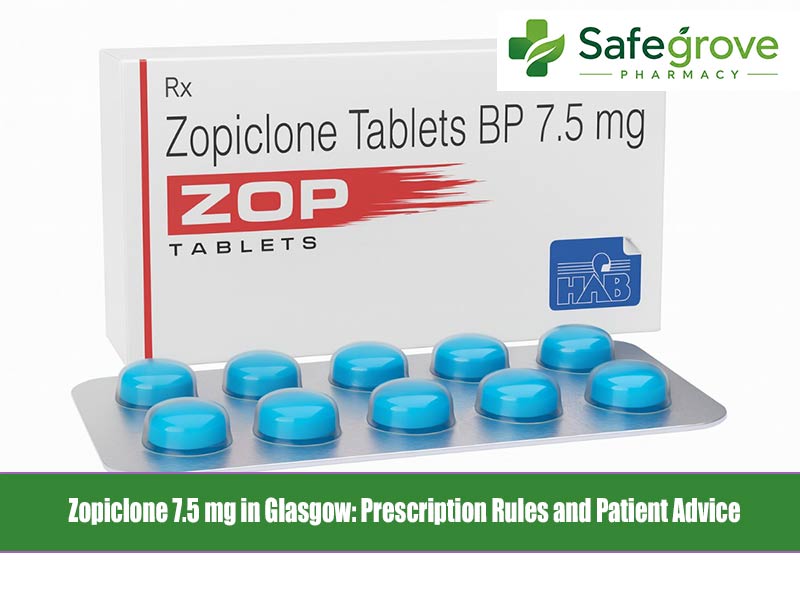
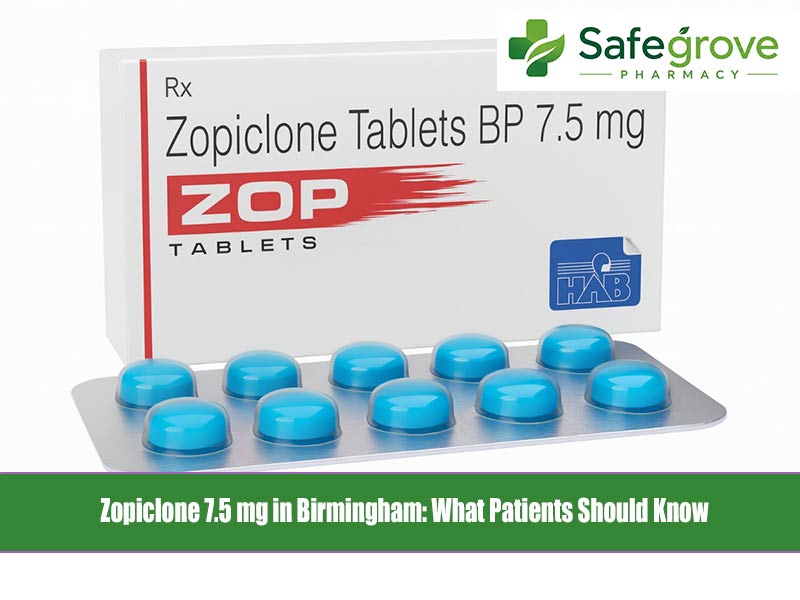
Waking up after taking a prescribed sleeping tablet only to feel heavily groggy, slow, or plagued by a strange metallic taste can turn your entire morning upside down. If you or someone you care for has been prescribed zopiclone in Newcastle or across the wider North East region, understanding what is a normal, temporary reaction versus what requires medical attention is essential for protecting your daytime safety.
Navigating the potential side effects from zopiclone helps you use this prescription medicine responsibly while preserving your concentration, alertness, and overall well-being. Whether you are collecting your prescription from a local health centre or consulting a healthcare professional near you, UK clinical standards and NHS guidance ensure consistent, high-quality safety parameters.
At Zopiclone Direct UK, we believe patients make safer healthcare decisions when medical information is transparent, evidence-based, and aligned with official UK guidance. In this comprehensive guide, we explore how zopiclone works, how to recognise common and serious side effects, the vital importance of next-day alertness, critical interactions with alcohol, and the key safety precautions every patient should follow.
Zopiclone is a prescription-only sleeping tablet belonging to a class of medicines known as non-benzodiazepine hypnotics (often referred to as “Z-drugs”). It is prescribed across the UK for the short-term management of severe, disabling insomnia that causes profound distress.
The medicine works by enhancing the action of gamma-aminobutyric acid (GABA), a naturally occurring chemical messenger in the brain that calms nervous activity, helping you fall asleep more quickly and reducing night awakenings.
Because zopiclone is a Controlled Drug (Schedule 4), it is strictly available via a valid prescription from an authorised UK prescriber, such as a GP or hospital specialist. To minimise risks like tolerance and dependence, UK clinical guidelines recommend prescribing the lowest effective dose—typically 3.75 mg or 7.5 mg taken immediately before bedtime—for a short duration of 2 to 4 weeks maximum.
UK Clinical Landscape: Authoritative Safety Frameworks
Authoritative UK medical authorities—including the NHS, the British National Formulary (BNF), and the Electronic Medicines Compendium (emc)—emphasise three core pillars of zopiclone safety:
Symptom Stratification: Differentiating predictable, mild side effects (occurring in over 1 in 100 people) from rare neurological or psychiatric reactions.
Next-Day Impairment Awareness: Upholding the mandatory 12-hour waiting period before driving, cycling, or operating heavy machinery.
Interaction and Dependence Mitigation: Preventing dangerous drug and alcohol combinations and avoiding abrupt cessation.
Most individuals who take zopiclone as prescribed experience either no adverse reactions or mild, temporary effects. According to UK Patient Information Leaflets (PILs) and NHS guidance, common side effects affect more than 1 in 100 people.
1. Next-Day Drowsiness and Reduced Alertness
Feeling sleepy, heavy-headed, dazed, or sluggish the following morning is one of the most frequently reported experiences. Zopiclone suppresses central nervous system activity, and residual levels of the medicine can linger in your bloodstream. This can slow your reaction times and impair coordination well into the daylight hours, particularly if you take the higher 7.5 mg dose or do not secure a full 7 to 8 hours of sleep.
2. A Bitter or Metallic Taste (Dysgeusia)
A pronounced bitter or metallic taste in the mouth is a trademark reaction to zopiclone. This occurs because trace amounts of the drug are excreted into your saliva as your body metabolises the tablet. While harmless, it can affect your enjoyment of food and drink. Drinking plenty of water, using sugar-free mints, or maintaining regular oral hygiene can help ease the sensation.
3. Dry Mouth
Zopiclone can temporarily decrease saliva production, leaving your mouth and throat feeling dry upon waking. Keeping a glass of water nearby and staying well hydrated throughout the day mitigates this discomfort.
Uncommon Side Effects of Zopiclone
Data from the Electronic Medicines Compendium (emc) indicates that uncommon side effects affect between 1 and 10 users in every 1,000. These reactions include:
Dizziness or Light-headedness: Particularly if you get up quickly during the night.
Headaches: Mild, transient head pain as the body adjusts.
Nausea and Vomiting: Mild stomach upset or digestive queasiness.
Fatigue: General physical or mental tiredness extending beyond morning grogginess.
Nightmares or Vivid Dreams: Alterations in dream patterns as sleep architecture shifts.
Mild Agitation or Restlessness: Feeling unusually unsettled rather than deeply relaxed.
Rare and Serious Side Effects: When to Seek Urgent Help
Although rare—affecting between 1 and 10 users in every 10,000, with certain complex behaviours having unknown post-marketing frequencies—zopiclone can provoke serious reactions requiring immediate clinical evaluation.
Complex Sleep Behaviours (Parasomnias)
Zopiclone can occasionally induce complex activities performed while not fully awake, with complete amnesia regarding the event the next day. Documented behaviours include:
Sleepwalking (somnambulism)
Preparing and eating food while asleep (sleep-eating)
Making phone calls or sending emails
Operating a vehicle (“sleep-driving”)
The risk of these complex behaviours rises sharply if zopiclone is combined with alcohol, other sedatives, or doses exceeding recommendations.
Psychiatric and Mood Disturbances
Paradoxical reactions or severe psychological shifts can occur in rare instances, including:
Hallucinations (seeing, hearing, or feeling things that do not exist)
Delusions or severe confusion
Uncharacteristic irritability, aggression, or rage
Worsening depression or emergent thoughts of self-harm
Memory Impairment (Anterograde Amnesia)
Zopiclone can cause short-term memory gaps concerning events occurring after ingestion. Taking your tablet strictly when getting into bed and ensuring an uninterrupted sleep window reduces this vulnerability.
Breathing Difficulties and Allergic Reactions
In very rare cases, zopiclone can suppress respiratory function or provoke severe allergic hypersensitivity (anaphylaxis or angioedema).
Summary Comparison: Zopiclone Side Effects by Frequency
When to Contact a Healthcare Professional or Emergency Services
Navigating NHS pathways ensures you receive appropriate care without unnecessary delay:
Contact a Pharmacist or GP: If common side effects like dry mouth, headaches, or next-day sluggishness disrupt your day or fail to improve after initial doses.
Call NHS 111 Promptly: If you experience hallucinations, severe confusion, memory blackouts, sleepwalking episodes, depressive symptoms, or accidental overdosage.
Call 999 or Attend A&E: If you or someone else exhibits signs of severe allergic reaction (swelling of the lips, tongue, or throat), shallow breathing, or unresponsiveness.
Patients can also report suspected adverse reactions directly through the UK MHRA Yellow Card Scheme (yellowcard.mhra.gov.uk), supporting nationwide medicine safety monitoring.
Next-Day Alertness, Driving, and UK Legal Regulations
Because zopiclone impairs psychomotor function and reaction speed into the following day, UK legal and clinical standards demand strict caution. Under the UK Road Traffic Act, driving while impaired by any medicine—prescription or otherwise—is illegal.
The 12-Hour Rule: The NHS and Summary of Product Characteristics (SmPC) mandate waiting at least 12 hours after taking zopiclone before attempting to drive, ride a bicycle, or operate machinery.
Self-Assessment of Alertness: Even past the 12-hour mark, do not drive if you feel drowsy, dazed, or uncoordinated.
Never Take Daytime Doses: Zopiclone must only be taken immediately before retiring for sleep. If missed, skip the dose entirely until the next night.
Zopiclone Interactions: Alcohol and Concomitant Medicines
Combining zopiclone with other central nervous system (CNS) depressants exponentially increases the risk of profound sedation and respiratory depression.
Zopiclone and Alcohol
Do not consume alcohol while taking zopiclone. Alcohol amplifies sedative pathways, dramatically increasing the danger of:
Severe next-day impairment and driving risks
Complex parasomnias like sleep-driving
Deep, unrousable unconsciousness and life-threatening breathing suppression
Critical Medicine Interactions
Always disclose your full medication history to your prescriber and pharmacist. Key interactions include:
Opioid Painkillers: (e.g., codeine, morphine, tramadol) – Heightens risks of severe respiratory depression, coma, and fatal overdose.
Certain Antibiotics and Antifungals: (e.g., erythromycin, ketoconazole) – Slows hepatic clearance of zopiclone, elevating blood concentrations and side effect risks.
Side Effects of Zopiclone in Older Adults
Adults aged 65 and over metabolise medications more slowly, meaning zopiclone remains active in their systems for extended periods. Consequently, UK prescribers favour starting older patients on the lower 3.75 mg dose.
Caregivers and older adults should monitor vigilantly for:
Elevated Falls Risk: Residual dizziness, muscle weakness, and ataxia increase the danger of nocturnal trips and bone fractures.
Confusion and Cognitive Impairment: Increased vulnerability to disorientation and memory lapses.
Prolonged Hangover Effects: Daytime sluggishness that impairs independence.
Long-Term Use, Tolerance, Dependence, and Withdrawal
Zopiclone is licensed strictly for short-term use (2 to 4 weeks) because extended use introduces significant clinical hazards:
Tolerance: The brain adapts to the drug over time, reducing its efficacy and tempting users to increase doses unlawfully.
Dependence and Addiction: Regular use can lead to physical and psychological reliance.
Rebound Insomnia and Withdrawal: Abrupt cessation after sustained use triggers rebound sleeping difficulties alongside anxiety, tremors, sweating, palpitations, and irritability.
Never stop a regular zopiclone regimen overnight; consult your GP for a safe, gradual tapering plan.
Separating Fact from Myth: Weight Gain, Constipation, and Anxiety
Does zopiclone cause weight gain? Weight gain is not listed as a direct side effect in official UK PILs, though fatigue-induced inactivity can indirectly alter lifestyle metrics.
Does zopiclone cause constipation? Constipation is not a recognised adverse effect; common gastrointestinal reactions are limited to dry mouth and nausea.
Does zopiclone cause anxiety? While prescribed for sleep, daytime agitation can occur during use, and acute anxiety is a documented symptom of zopiclone withdrawal.
What to Do If Side Effects Are Troublesome
If side effects prove disruptive:
Never Adjust Doses Independently: Do not alter, double, or split tablets without medical authorisation.
Review Sleep Hygiene and Timing: Ensure a full 7-to-8-hour window and absolute avoidance of alcohol.
Consult Healthcare Professionals: Speak with your GP or a Sefgrove Pharmacist to explore alternatives such as Cognitive Behavioural Therapy for Insomnia (CBT-I).
Supporting Safe Medicine Use with Zopiclone Direct UK
Managing prescription sleeping tablets requires dedicated professional oversight. Zopiclone Direct UK’s UK-registered pharmacists are available to help you review Patient Information Leaflets, verify medicine interactions, and manage mild adverse reactions safely.
Contact our team or consult your GP for personalised clinical guidance.
Frequently Asked Questions
1. What are the most common side effects from zopiclone?
The most common side effects from zopiclone include next-day drowsiness or feeling dazed, a bitter or metallic taste in the mouth, and dry mouth. These mild effects affect more than 1 in 100 people and typically subside as the medicine clears from your system.
2. How long does the metallic taste from zopiclone last?
The metallic taste usually appears shortly after ingestion and is most noticeable upon waking. Because trace amounts of the drug pass into saliva, the taste gradually fades over the course of the morning as your body processes the tablet.
3. Can you drive the morning after taking zopiclone?
You must not drive, cycle, or operate machinery for at least 12 hours after taking zopiclone. Even after 12 hours, you should only drive if you feel completely alert and coordinated, as driving while impaired by prescription medicine is illegal in the UK.
4. What happens if you drink alcohol while taking zopiclone?
Drinking alcohol while taking zopiclone is unsafe and strictly discouraged by the NHS. Alcohol amplifies sedative effects, leading to severe next-day drowsiness, memory blackouts, sleepwalking, and life-threatening breathing difficulties.
5. What medicines can you not take with zopiclone?
You should avoid zopiclone alongside other central nervous system depressants unless supervised by a doctor. Key interactions include opioid painkillers (e.g., codeine), benzodiazepines (e.g., diazepam), sedating antidepressants (e.g., amitriptyline), and certain macrolide antibiotics.
6. What are the side effects of zopiclone in elderly patients?
Older adults (aged 65+) process zopiclone more slowly, heightening sensitivity to residual sedation. Common concerns include next-day dizziness, muscle weakness, impaired balance, confusion, and an elevated risk of night-time falls, prompting lower 3.75 mg starting doses.
7. Does zopiclone cause weight gain or constipation?
Neither weight gain nor constipation is listed as a recognised side effect in official UK Patient Information Leaflets for zopiclone. While dry mouth and nausea can occur, unexplained weight shifts or constipation typically stem from other factors.
8. Can zopiclone cause anxiety or mood changes?
Yes, uncommon or rare side effects include agitation, restlessness, irritability, and low mood. Furthermore, stopping zopiclone abruptly after regular use frequently triggers acute rebound anxiety as part of the withdrawal syndrome.
9. What are the signs of zopiclone overdose?
Symptoms of zopiclone overdose include extreme drowsiness, confusion, slurred speech, floppy muscles, dizziness, slow or shallow breathing, and unresponsiveness or coma. Suspected overdose requires an immediate emergency call to 999.
10. How do I stop taking zopiclone safely without withdrawal symptoms?
Do not stop taking zopiclone abruptly if you have used it regularly, as sudden cessation can trigger rebound insomnia and withdrawal symptoms. Consult your GP, who will design a gradual dose-tapering schedule to keep you safe.