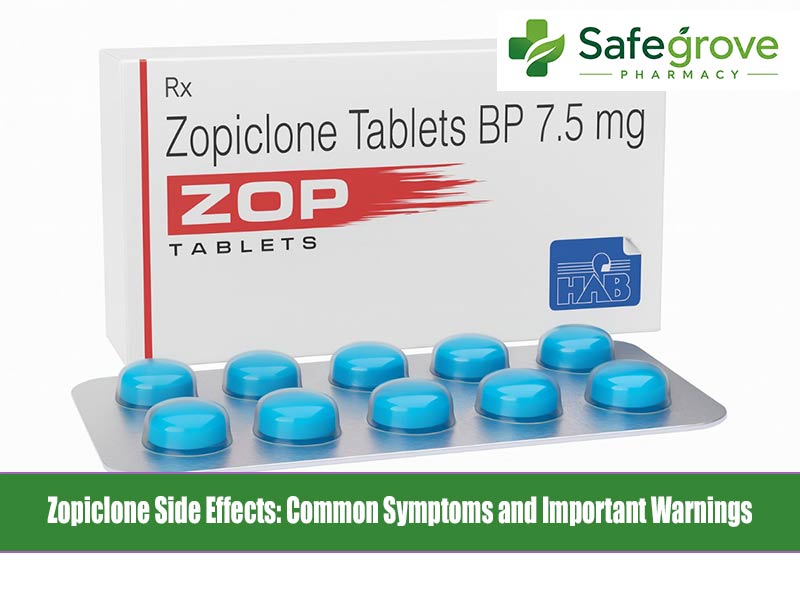
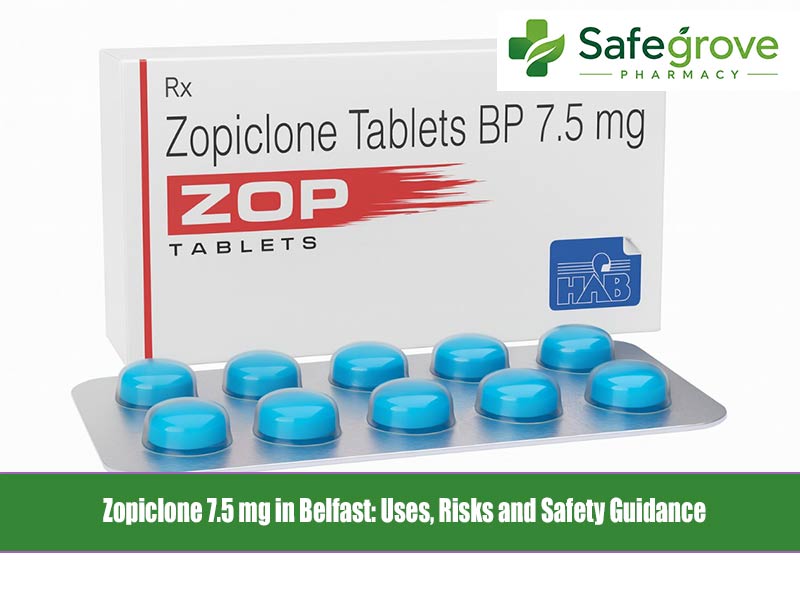
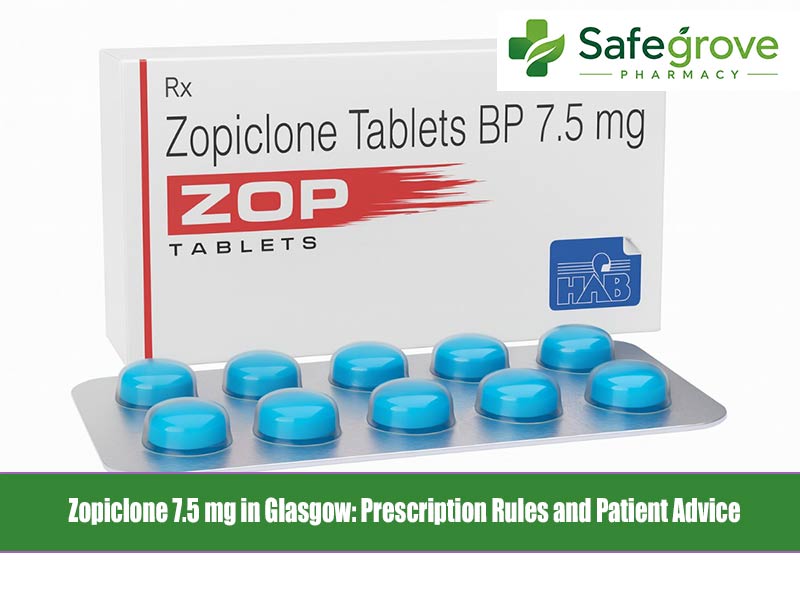
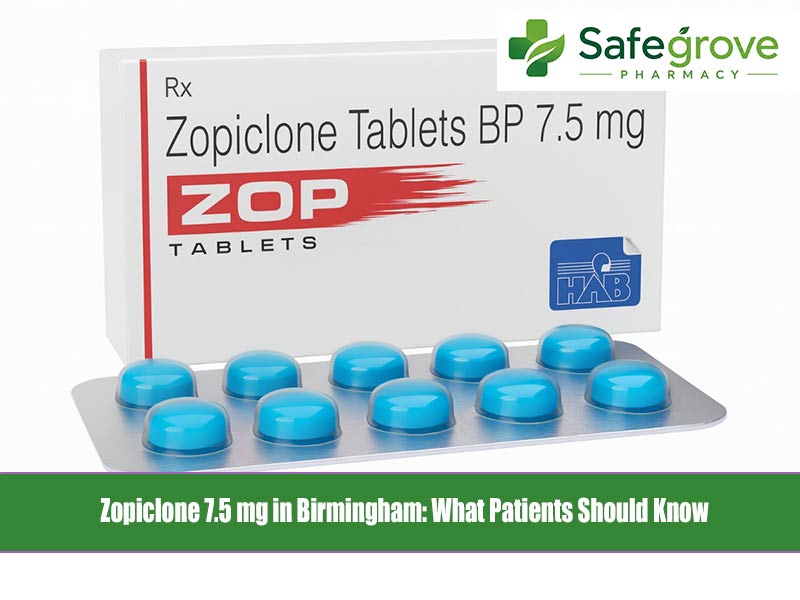
Navigating severe sleep disruption can significantly impact your daily life, physical health, and emotional well-being. For adults across Belfast and Northern Ireland struggling with acute insomnia, healthcare professionals may consider a short-term prescription for Zopiclone. Understanding how Zopiclone works, its legal prescription rules under NHS Northern Ireland guidance, and potential zopiclone side effects is essential for ensuring patient safety and treatment efficacy.
Zopiclone is a central nervous system (CNS) depressant belonging to the non-benzodiazepine class of medications, commonly referred to as “Z-drugs”. It acts on gamma-aminobutyric acid (GABA) receptors in the brain to enhance calming signals, helping you fall asleep faster and reducing nighttime awakenings.
Indications and Prescribing Limitations
Primary Indication: Short-term management of severe, disabling insomnia in adults.
Duration of Use: Prescribed strictly for 2 to 4 weeks (often 1 to 2 weeks) to prevent tolerance and physical dependence.
Prescription Rules for Zopiclone in Belfast & Northern Ireland
In Belfast, General Practitioners (GPs) and specialist prescribers adhere to strict Northern Ireland Formulary guidelines regarding hypnotics.
Short-Term Duration Limits: Standard prescriptions are issued for brief periods. Continuous long-term repeat prescriptions are restricted due to rapid tolerance development.
Clinical Evaluation: Prior to prescribing, doctors assess underlying factors such as stress, anxiety, or medical conditions, encouraging non-pharmacological interventions like Cognitive Behavioral Therapy for Insomnia (CBT-I).
A persistent metallic taste in the mouth (reported by >1 in 10 patients).
Brush teeth regularly, chew sugar-free gum, or sip water.
Dry Mouth
Reduced salivation overnight.
Maintain hydration; maintain oral hygiene to prevent tooth decay.
Next-Day Drowsiness
Feeling sluggish, tired, or dazed the morning after.
Take the dose immediately before bed; ensure a full 7–8 hours of sleep.
Dizziness & Headaches
Mild lightheadedness or tension headaches.
Rise slowly from sitting or lying positions.
Serious Side Effects and Warning Signs
While serious adverse reactions are rare, patients must remain vigilant. Seek immediate medical attention or contact NHS 111 / urgent care in Belfast if you experience:
Severe Allergic Reactions (Anaphylaxis): Swelling of the face, lips, tongue, or throat; skin rash; or severe difficulty breathing.
Complex Sleep Behaviors: Sleepwalking, sleep-driving, preparing food, or making phone calls while not fully awake.
Psychiatric and Mood Changes: Severe confusion, agitation, aggressive outbursts, hallucinations, or new/worsening depressive thoughts.
Memory Disturbances (Anterograde Amnesia): Inability to recall events that occurred during the hours after taking the medication.
Dosage Safety: 3.75 mg vs 7.5 mg
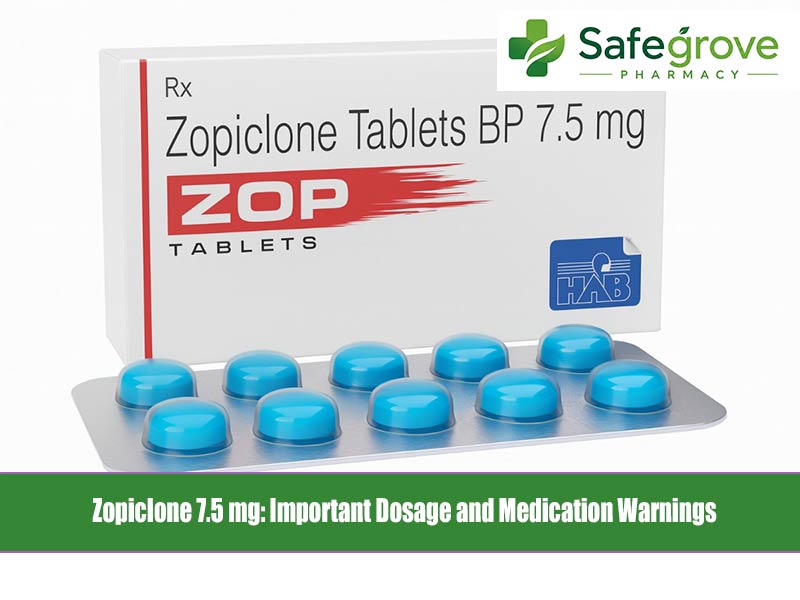
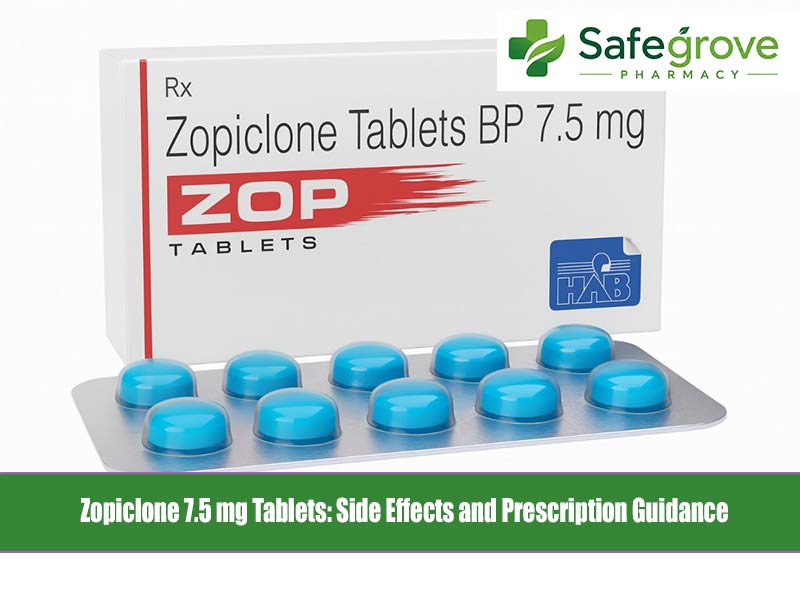
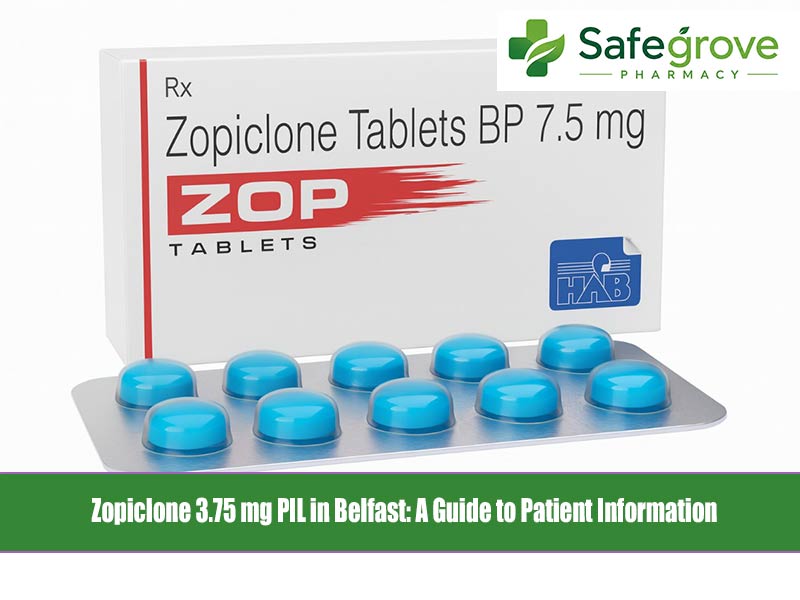
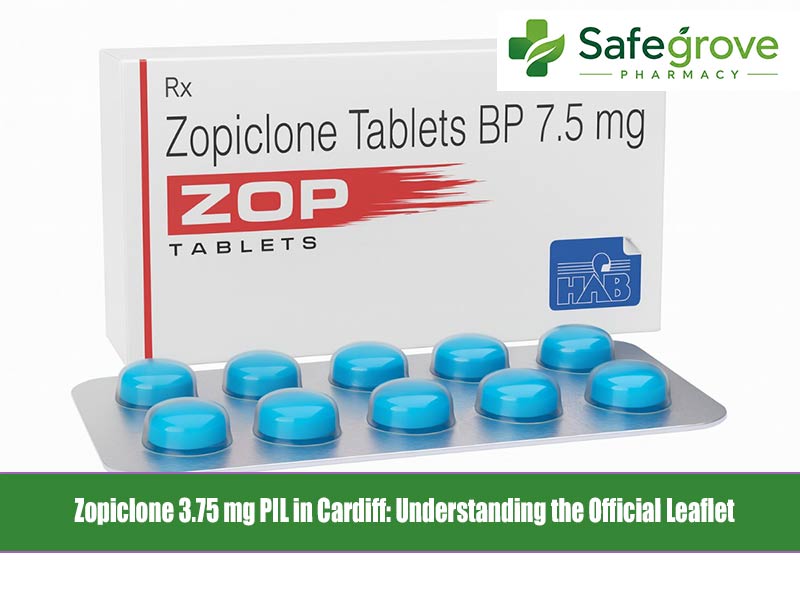
Zopiclone is available in two primary strengths:
7.5 mg Tablets: The standard starting dose for most healthy adults.
3.75 mg Tablets: The recommended initial dose for older adults (65+), patients with kidney or liver impairment, or individuals with respiratory insufficiency. Lower doses reduce the risk of excessive cumulative sedation.
Older individuals are significantly more sensitive to the central nervous system effects of Zopiclone.
Increased Fall & Fracture Risk: Impaired physical coordination (ataxia) and nighttime dizziness significantly increase the risk of accidental falls and hip fractures.
Confusion & Delirium: Higher vulnerability to morning confusion, memory impairment, and disorientation.
Safety Protocol: Caregivers should ensure pathways to bathrooms are well-lit and unobstructed overnight.
Dangerous Interactions: Alcohol and Other Medicines
Combining Zopiclone with other CNS depressants intensifies sedation and can lead to life-threatening respiratory depression.
Zopiclone and Alcohol
Do not consume alcohol while taking Zopiclone. Alcohol increases the sedative potency of the medication, dramatically elevating the risk of deep coma, respiratory failure, and dangerous sleep behaviors.
Key Drug Interactions
Opioid Analgesics (e.g., Codeine, Morphine): Combined use causes severe drowsiness and high respiratory depression risk.
Other Hypnotics & Anxiolytics (e.g., Diazepam, Temazepam): Compounding CNS depression.
Sedating Antidepressants (e.g., Amitriptyline): Enhances daytime somnolence and cognitive fog.
Caffeine: Acts as a direct antagonist, reducing the hypnotic effectiveness of Zopiclone.
Driving and Operating Machinery in Northern Ireland
It is illegal to drive in the UK if your driving ability is impaired by prescribed medication.
Zopiclone can cause lingering next-day sedation, slowed reaction times, and double vision.
Do not drive, cycle, or operate heavy machinery the morning after taking Zopiclone until you are certain your alertness is completely unaffected.
Long-Term Risks: Tolerance, Dependence, and Withdrawal
Using Zopiclone beyond the recommended 2 to 4 weeks introduces substantial clinical risks.
Tolerance: The brain adapts to the dose within 3 to 14 days of continuous use, reducing the medication’s ability to induce sleep.
Physical Dependence: Sudden cessation after prolonged use triggers withdrawal symptoms, including severe rebound insomnia, anxiety, sweating, muscle tremors, and palpitations.
Gradual Tapering: Never stop Zopiclone abruptly. Consult your prescribing GP or pharmacist to set up a gradual dose-reduction schedule.
Debunking Common Myths: Weight, Constipation, and Anxiety
Weight Gain:Zopiclone does not directly alter metabolic rates or cause weight gain. Any weight fluctuations are typically related to changes in lifestyle, appetite, or daytime fatigue.
Constipation: Gastrointestinal issues like nausea or indigestion are occasionally reported, but constipation is not a direct primary side effect.
Anxiety: While prescribed to aid rest, paradoxically, rebound anxiety can occur during withdrawal or as the medicine wears off the following day.
Summary and Responsible Prescribing Advice
Zopiclone remains an effective short-term intervention for acute insomnia when used strictly in accordance with NHS prescribers’ instructions. Prioritize good sleep hygiene practices, adhere to prescribed durations, and never combine sleeping tablets with alcohol or unprescribed sedatives.
For further guidance on your prescriptions, consult your local GP in Belfast or speak directly with our team at Zopiclone Direct UK.
Frequently Asked Questions
1. How long does Zopiclone stay in your system?
Zopiclone has an elimination half-life of approximately 5 hours. However, residual daytime drowsiness or reduced alertness can persist into the next day.
2. Can I get Zopiclone over the counter in Belfast pharmacies?
No. Zopiclone is a Prescription-Only Medicine (POM) and a Class C controlled substance. It can only be dispensed by a registered pharmacy with a valid NHS or private prescription.
3. What should I do if I experience a bitter taste from Zopiclone?
A bitter or metallic taste is a common side effect. Sipping water, brushing your teeth before bed, or chewing sugar-free gum in the morning helps manage this symptom.
4. Can you take Zopiclone and alcohol together?
No. Combining Zopiclone with alcohol is dangerous and can cause severe drowsiness, memory loss, impaired breathing, or coma.
5. Why are GPs in Northern Ireland reluctant to prescribe Zopiclone long-term?
GPs follow Northern Ireland Formulary guidelines because long-term use leads to drug tolerance, dependence, and severe rebound insomnia upon stopping.
6. What is the standard dose for older adults?
The standard starting dose for adults aged 65 and older is 3.75 mg. Lower doses minimize risks of nocturnal confusion, loss of balance, and accidental falls.
7. Does Zopiclone interact with pain relief like Codeine?
Yes. Both Zopiclone and opioid painkillers (such as codeine) depress the central nervous system. Taking them together increases sedation and breathing difficulty risks.
8. Is it safe to drive the morning after taking Zopiclone?
Only if you feel fully awake and un-impaired. Driving while impaired by prescription drugs is illegal in the UK.
9. Can stopping Zopiclone suddenly cause withdrawal symptoms?
Yes. Abrupt cessation can cause withdrawal symptoms such as rebound insomnia, anxiety, tremors, and sweating. Always taper down under medical supervision.
10. Does Zopiclone cause weight gain?
No direct evidence connects Zopiclone to metabolic weight gain. Any weight changes are generally attributed to secondary lifestyle factors or sleep disruptions.