Struggling with severe sleeplessness can disrupt every part of daily life—from concentration at work to physical recovery and emotional resilience. When non-drug measures fail to restore rest, clinicians across Edinburgh and the wider UK occasionally consider short-term pharmacological support, most notably zopiclone 7.5 mg tablets.
Because zopiclone is a regulated prescription-only medicine (POM) and a Schedule 4 controlled drug in the United Kingdom, understanding how it works, how prescriptions are managed locally in Edinburgh, and what safety rules apply is essential before taking a single tablet. This clinical guide from Zopiclone Direct UK synthesises current NHS guidance, British National Formulary (BNF) standards, and official UK Patient Information Leaflets (PIL) to help patients navigate zopiclone 7.5 mg safely and responsibly.
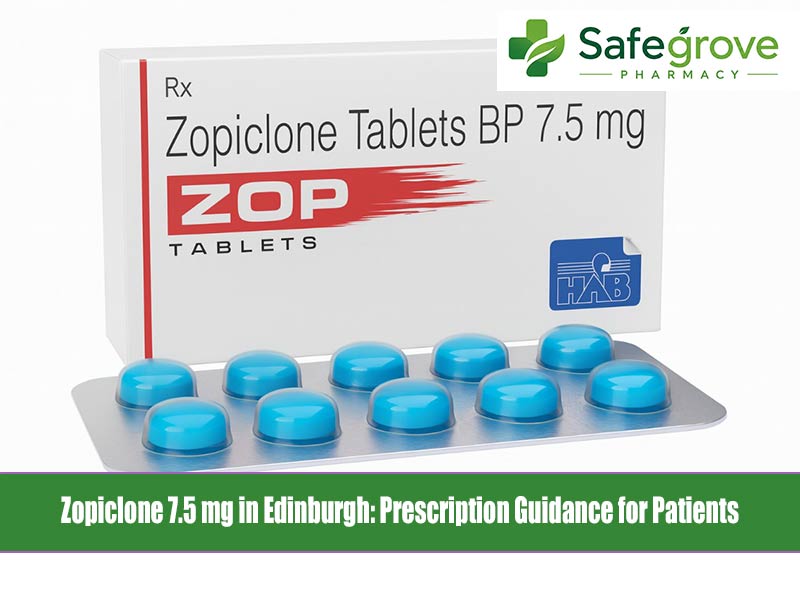
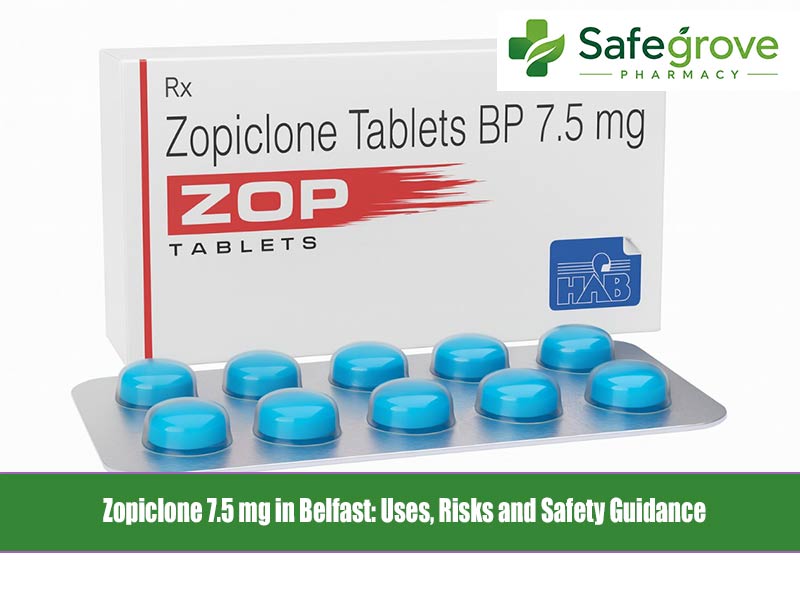
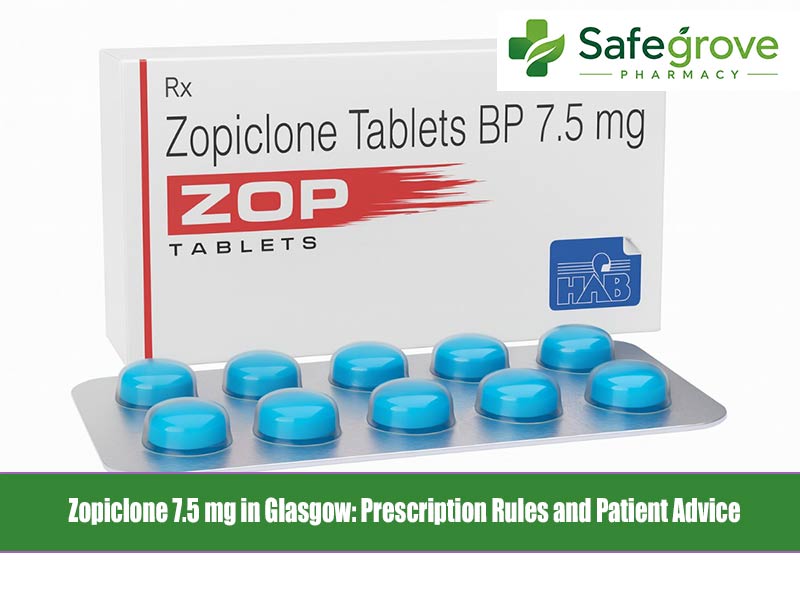
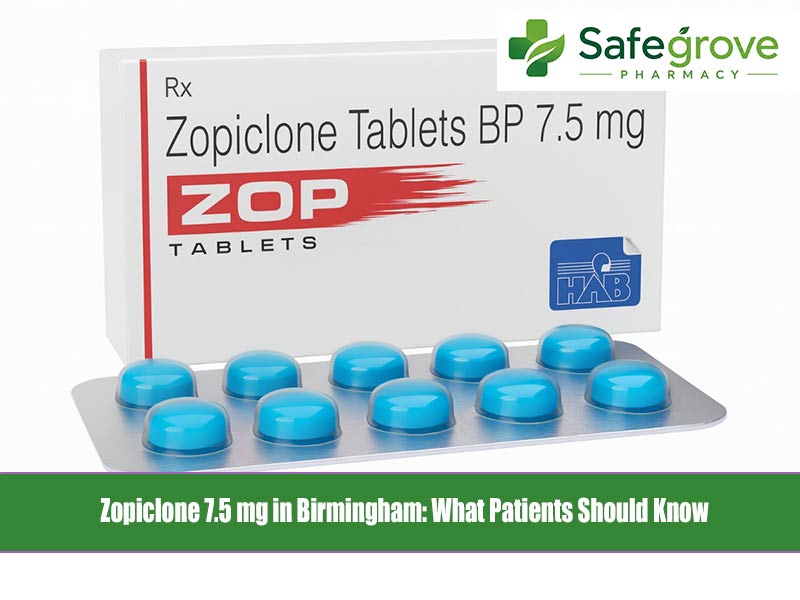
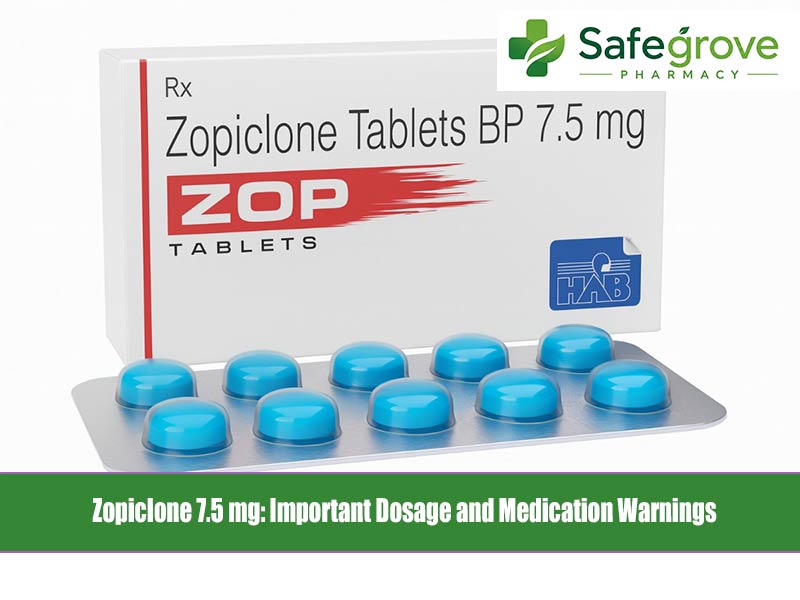
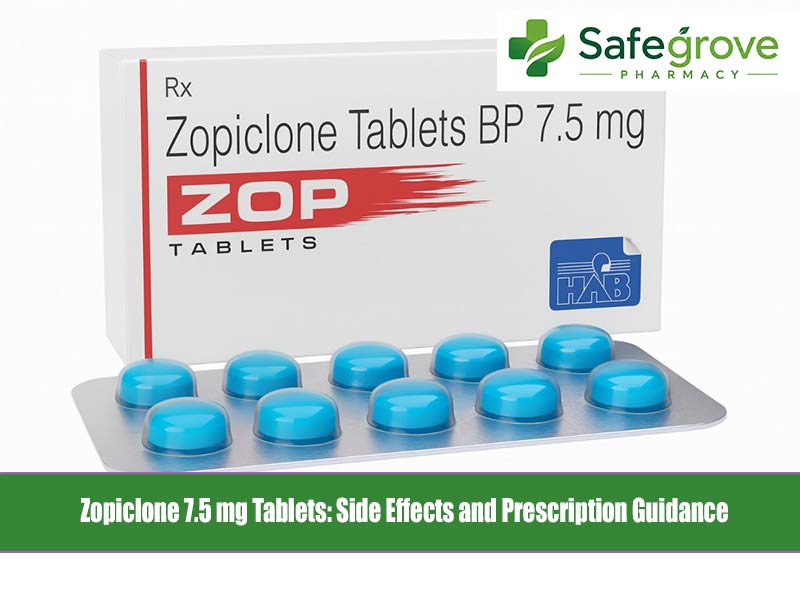
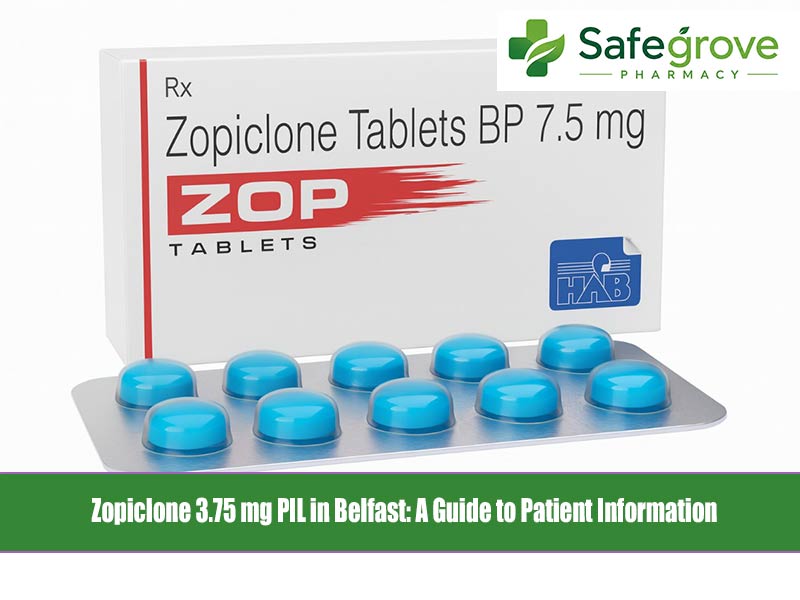
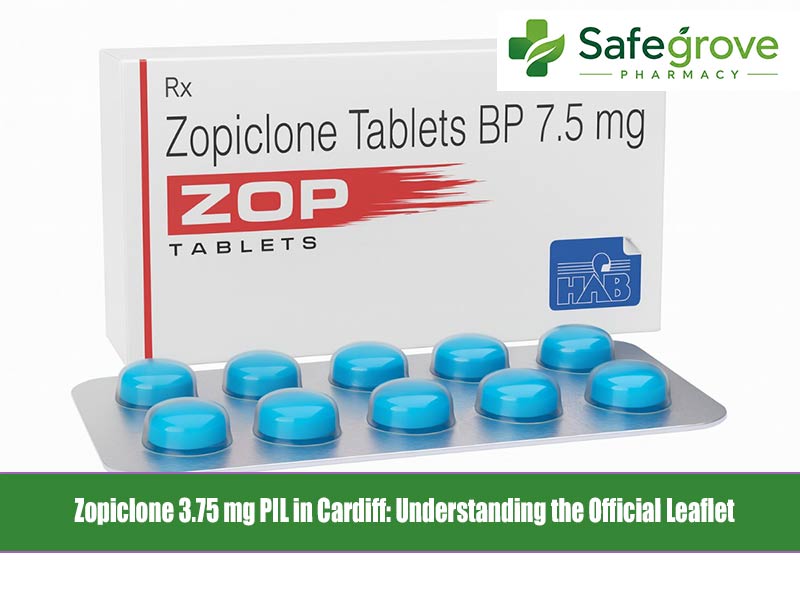
Zopiclone 7.5 mg is a film-coated prescription sleeping tablet belonging to a class of non-benzodiazepine medicines commonly called Z-drugs (alongside zolpidem). Clinically, it is classified as a hypnotic medicine—a drug designed to induce and maintain sleep when acute insomnia causes severe distress or disabling daytime impairment.
Under UK licensing standards outlined in the Electronic Medicines Compendium (EMC) Summary of Product Characteristics (SmPC), zopiclone 7.5 mg is indicated exclusively for the short-term treatment of insomnia in adults (aged 18 and over). Specifically, prescribers may consider it for:
Sleep-onset insomnia: Persistent difficulty falling asleep after going to bed.
Sleep-maintenance insomnia: Waking repeatedly during the night and struggling to return to sleep.
Early morning awakening: Waking significantly earlier than intended with an inability to resume rest.
Severe situational or secondary insomnia: Acute sleep disruption linked to severe stress or underlying mood disorders, used strictly as a temporary bridge while primary treatments take effect.
Zopiclone is not a cure for chronic insomnia, nor does it treat underlying causes such as depression, anxiety disorders, or sleep apnoea. Rather, it provides short-term symptomatic relief while behavioural therapies and root-cause interventions are established.
How Prescribing Works in Edinburgh and Across the UK
Patients searching for zopiclone 7.5 mg in Edinburgh should understand how UK national rules and local Scottish NHS pathways govern access to this medicine.
Prescription-Only & Schedule 4 Controlled Drug Status
In England, Scotland, Wales, and Northern Ireland, zopiclone cannot be bought over the counter. Under the Misuse of Drugs Regulations 2001, zopiclone is classified as a Schedule 4 (Part 1) Controlled Drug. This means:
It can only be legally supplied against a valid prescription issued by an authorised UK prescriber (such as an NHS GP, hospital specialist, or registered independent prescriber).
Prescriptions for Schedule 4 controlled drugs are valid for 28 days from the appropriate date on the prescription.
Obtaining, possessing, or supplying zopiclone without a valid prescription is unlawful in the UK.
NHS Lothian & Local Edinburgh Prescribing Pathways
Within Edinburgh and the surrounding Lothians, general practices and hospital clinicians follow the NHS Lothian Joint Formulary alongside national NICE and Scottish Intercollegiate Guidelines Network (SIGN) recommendations:
First-Line Non-Pharmacological Care: Edinburgh GPs routinely recommend structured sleep hygiene and Cognitive Behavioural Therapy for Insomnia (CBT-i)—often accessed via digital NHS Scotland platforms such as Sleepio—before considering sleeping tablets.
Acute Prescriptions Only: Under NHS Lothian prescribing guidance, zopiclone is restricted to acute, short-term prescriptions rather than automatic repeat prescriptions. Local guidance often favours courses of one week (7 days) and strictly advises against exceeding two to four weeks.
Scottish Community Pharmacy Dispensing: Patients in Edinburgh with an NHS Scotland GP10 prescription or valid private prescription can have their medication dispensed by a General Pharmaceutical Council (GPhC)-registered community or online pharmacy, where a pharmacist conducts mandatory clinical safety checks before supply.
How Zopiclone 7.5 mg Works in the Body
Understanding the pharmacology of 7.5 mg zopiclone helps explain both its rapid sleep-inducing effects and why strict timing rules apply.
Mechanism of Action (GABA Enhancement)
Zopiclone belongs to the cyclopyrrolone chemical family. Although structurally distinct from benzodiazepines, it acts on the same central nervous system pathway by binding to GABA-A receptor complexes in the brain. Gamma-aminobutyric acid (GABA) is the brain’s primary inhibitory neurotransmitter—a natural chemical messenger that slows down nerve firing and calms neural activity. By enhancing GABA’s calming effect, zopiclone reduces sleep latency (the time it takes to fall asleep), decreases nocturnal awakenings, and increases overall sleep duration.
Onset of Action and Elimination Half-Life
Clinical pharmacokinetic data published in the UK Summary of Product Characteristics show predictable timing:
Onset of Action:Zopiclone takes approximately 30 to 60 minutes to start working after oral ingestion.
Peak Blood Concentration: Maximum plasma levels are reached within 1.5 to 2 hours.
Elimination Half-Life: In healthy adults, the elimination half-life (the time required for the body to clear half of the active medicine) is roughly 5 hours.
Because of this 5-hour half-life, active medicine remains in the bloodstream the following morning—which is why UK regulators enforce strict next-day driving and machinery precautions. In older adults or patients with reduced liver or kidney function, clearance slows down, extending the elimination half-life and increasing sensitivity to next-day sedation.
Zopiclone 3.75 mg vs 7.5 mg: Understanding Tablet Strengths
Zopiclone film-coated tablets are manufactured in two standard UK strengths: 3.75 mg and 7.5 mg. Having two strengths allows prescribers to tailor treatment safely to an individual’s age, metabolism, and medical history—not to allow patients to adjust their own dose.
Clinical Feature
Zopiclone 3.75 mg Tablets
Zopiclone 7.5 mg Tablets
Typical Patient Group
Older adults (aged 65+), frail patients, or individuals with mild-to-moderate liver, kidney, or breathing impairment.
Standard starting and maximum licensed adult dose for healthy adults aged 18–64.
Clinical Rationale
Slower drug metabolism increases blood levels; starting at 3.75 mg reduces the risk of falls, confusion, and next-day drowsiness.
Provides full therapeutic hypnotic effect for acute, severe insomnia when lower measures are insufficient.
Administration Rule
One 3.75 mg tablet taken shortly before bedtime (or as specifically directed by the prescriber).
One 7.5 mg tablet taken shortly before bedtime; never exceed 7.5 mg in a single night.
Next-Day Residual Risk
Lower residual sedation profile, though 12-hour driving caution still applies.
Higher potential for morning grogginess, metallic taste, and psychomotor impairment if less than 7–8 hours of sleep is obtained.
Important Prescribing Note: Whether a clinician prescribes 3.75 mg or 7.5 mg depends entirely on individual clinical assessment. Patients prescribed 3.75 mg must never take two tablets to make 7.5 mg unless explicitly instructed by their doctor, and patients prescribed 7.5 mg must never take an extra tablet if they wake up during the night.
How to Take Zopiclone 7.5 mg Safely
Following the exact instructions on your pharmacy dispensing label and the enclosed Patient Information Leaflet (PIL) minimises side effects and prevents accidental overdose.
Step-by-Step Administration Guidance
Take Immediately Before Bedtime: Swallow your tablet 30 to 60 minutes before going to sleep, only when you are completely ready for bed and can dedicate a full 7 to 8 hours to uninterrupted sleep. Taking zopiclone too early while still active increases the risk of confusion, falls, and short-term memory loss (anterograde amnesia).
Swallow Whole with Water: Swallow the film-coated tablet whole with a drink of water. Do not crush, chew, or dissolve the tablet, as damaging the film coating exposes the intensely bitter active ingredient and can alter absorption.
One Dose Per Night Maximum: Take only one dose per night. If you wake up in the middle of the night or early in the morning, do not take a second tablet.
Intermittent Dosing When Advised: Your GP may instruct you to take zopiclone on only 2 or 3 nights per week rather than every night. Intermittent use helps preserve effectiveness and lowers the likelihood of physical tolerance.
What to Do If You Miss a Dose: If you forget to take your dose at bedtime, skip it completely and take your next scheduled dose the following night before bed. Never double up on doses.
Understanding the Zopiclone 7.5 mg Patient Information Leaflet (PIL)
Every licensed pack of zopiclone 7.5 mg dispensed in the UK contains an official Patient Information Leaflet (PIL) approved by the Medicines and Healthcare products Regulatory Agency (MHRA). If your leaflet is misplaced, you can read the current approved version online via the Electronic Medicines Compendium (EMC) (search for Zopiclone 7.5 mg film-coated tablets or branded Zimovane 7.5 mg).
The PIL is structured into six mandatory sections every patient should review:
Section 1 (What Zopiclone is and what it is used for): Confirms adult short-term insomnia indication and warns against long-term use.
Section 2 (What you need to know before you take Zopiclone): Lists absolute contraindications (such as myasthenia gravis, severe respiratory insufficiency, sleep apnoea syndrome, severe liver failure, and previous complex sleep behaviours) alongside warnings on dependence, depression, and excipient content (many UK generic brands contain lactose, relevant for patients with severe galactose intolerance or lactase deficiency).
Section 3 (How to take Zopiclone): Details exact bedtime dosing, treatment duration limits, missed-dose instructions, and overdose emergency actions.
Section 5 (How to store Zopiclone): Advises keeping tablets out of sight and reach of children, below 25°C in original blister packaging, and returning unused tablets to a pharmacy for safe disposal.
Section 6 (Contents of the pack and other information): Identifies the active substance (7.5 mg zopiclone), tablet markings, and Marketing Authorisation Holder.
Like all active medicines, zopiclone 7.5 mg can cause side effects, though not everyone experiences them. Most common effects are mild and dose-related.
Common Side Effects (Affecting up to 1 in 10 People)
Bitter or metallic taste (dysgeusia): The single most characteristic side effect of zopiclone, caused by small amounts of the drug being excreted into saliva. Sipping water or using a mild, alcohol-free mouthwash before bed can help manage dryness and taste changes.
Dry mouth (xerostomia): Keeping a glass of water by your bedside helps relieve overnight dryness.
Next-day drowsiness or “hangover” fatigue: Feeling sleepy, sluggish, or less alert the morning after taking a tablet—particularly if you slept for fewer than 7–8 hours.
Uncommon and Rare Side Effects
Less commonly, patients may experience mild nausea, indigestion, headache, dizziness, or vivid nightmares.
Serious Side Effects Requiring Urgent Medical Attention
Contact NHS 111 or a doctor immediately—or call 999 / attend A&E in an emergency—if you experience any of the following:
Complex sleep behaviours (parasomnias): Sleepwalking, sleep-driving, preparing or eating food, making phone calls, or having conversations while not fully awake, with no memory of the event the next day. If this occurs, treatment must be stopped under medical guidance.
Severe allergic reaction (anaphylaxis): Swelling of the face, lips, tongue, or throat, difficulty breathing or swallowing, or a severe itchy skin rash.
Breathing difficulties: Slow, shallow, or laboured breathing (respiratory depression).
Psychiatric or behavioural changes: Hallucinations (seeing or hearing things that are not real), delusions, severe confusion, agitation, aggression, memory loss (amnesia), or worsening low mood and thoughts of self-harm.
Falls and loss of balance: Particularly critical in older adults waking up during the night.
Critical Safety Precautions: Alcohol, Driving & Drug Interactions
Safe use of zopiclone 7.5 mg requires strict adherence to UK safety warnings regarding alcohol, road safety, and concurrent medications.
1. Zopiclone and Alcohol: Why You Must Avoid Mixing Them
Do not drink any alcohol while taking zopiclone. Both alcohol and zopiclone depress the central nervous system. Combining them produces an unpredictable, amplified sedative effect that can:
Suppress your breathing rate to dangerous levels (respiratory depression).
Induce profound unconsciousness, making it very difficult to wake up.
Trigger complex sleepwalking behaviours and severe memory blackouts.
Dramatically impair coordination and next-day alertness even after a small drink.
2. Driving, Cycling, and Operating Machinery (The 12-Hour Rule)
Under UK law and MHRA/NHS guidance, do not drive a car, ride a bicycle, or operate heavy machinery for at least 12 hours after taking zopiclone. Even after 12 hours have passed, do not drive if you still feel drowsy, dizzy, clumsy, or unable to concentrate, or if you have blurred vision. Under Section 5A of the Road Traffic Act 1988, it is an offence in the UK to drive while impaired by a prescription medicine.
3. Dangerous Drug Interactions (Opioids, CNS Depressants & CYP3A4 Medicines)
Opioid Painkillers (High-Risk Warning): Taking zopiclone alongside opioids—such as codeine, co-codamol, tramadol, morphine, oxycodone, fentanyl, or methadone—significantly increases the risk of profound sedation, life-threatening respiratory depression, coma, and death.
Other Central Nervous System (CNS) Depressants: Concurrent use with benzodiazepines (e.g., diazepam), other Z-drugs, sedating antihistamines (e.g., promethazine, chlorphenamine, diphenhydramine/Nytol), antipsychotics, antidepressants (such as mirtazapine or tricyclics), or anti-epileptic drugs amplifies drowsiness and cognitive impairment.
CYP3A4 Enzyme Inhibitors (Increase Zopiclone Levels): Zopiclone is broken down in the liver primarily by the CYP3A4 enzyme. Medicines that block this enzyme—including macrolide antibiotics (erythromycin, clarithromycin), azole antifungals (ketoconazole, itraconazole), and HIV protease inhibitors (ritonavir)—can raise zopiclone blood concentrations by up to 80%, intensifying sedation and requiring a dose reduction.
CYP3A4 Enzyme Inducers (Reduce Zopiclone Effectiveness): Medicines and herbal products such as rifampicin, carbamazepine, phenytoin, phenobarbital, and St John’s Wort speed up zopiclone breakdown, making the tablet noticeably less effective.
4. Pregnancy, Breastfeeding, and Co-Sleeping Safety
Zopiclone is generally not recommended during pregnancy (especially in the third trimester, where it may cause withdrawal symptoms, low muscle tone, or breathing difficulties in a newborn) or while breastfeeding, as small amounts pass into breast milk. Additionally, the NHS strictly warns parents and carers never to share a bed (co-sleep) with a baby after taking zopiclone or any sedating medicine, as reduced responsiveness increases the risk of Sudden Infant Death Syndrome (SIDS).
Tolerance, Dependence, and Safe Withdrawal
One of the primary reasons UK prescribers limit zopiclone 7.5 mg courses to 2 to 4 weeks maximum is the well-documented risk of physical and psychological dependence.
Tolerance: Within a few weeks of nightly use, brain GABA receptors adapt to the medicine, meaning the same 7.5 mg dose no longer produces the same sleep-inducing effect.
Dependence and Addiction: Continuing zopiclone beyond four weeks substantially increases the risk of developing dependence, particularly in individuals with a history of alcohol or substance misuse.
Rebound Insomnia and Withdrawal Symptoms: If you have taken zopiclone regularly for more than a couple of weeks and stop abruptly, you may experience rebound insomnia (sleeping worse than before treatment started) alongside withdrawal symptoms such as anxiety, restlessness, irritability, sweating, tremor, headache, and palpitations.
How to Stop Safely: Never stop taking zopiclone suddenly without speaking to your prescriber if you have used it continuously for more than a few weeks. Your Edinburgh GP or pharmacist can arrange a gradual, structured tapering schedule—stepping down the dose slowly over several weeks—to keep you comfortable and safe.
Evidence-Based Alternatives to Zopiclone for Long-Term Sleep Health
Because sleeping tablets only mask insomnia temporarily, UK NICE guidelines endorse sustainable, non-drug approaches as the cornerstone of lasting recovery:
Cognitive Behavioural Therapy for Insomnia (CBT-i): The gold-standard, first-line treatment recommended by NICE and NHS Scotland. CBT-i retrains sleep-disrupting thoughts and behaviours through stimulus control, sleep restriction therapy, and relaxation techniques.
Structured Sleep Hygiene: Maintaining a consistent wake-up time seven days a week, limiting afternoon caffeine, avoiding late-evening alcohol and heavy meals, and keeping the bedroom cool, dark, and screen-free.
Alternative Licensed Therapies: For patients aged 55 and over with primary insomnia, clinicians sometimes evaluate prolonged-release melatonin; for chronic insomnia where CBT-i has failed, newer dual orexin receptor antagonists (such as daridorexant) may be assessed by a UK prescriber. Over-the-counter sedating antihistamines (such as diphenhydramine) are only suitable for very brief, occasional sleeplessness and should never be combined with prescription sleeping pills.
Trusted Pharmacy Support in Edinburgh and Across the UK
At Zopiclone Direct UK, patient safety, regulatory compliance, and transparent clinical education guide every interaction. Whether you have been newly prescribed zopiclone 7.5 mg by your GP in Edinburgh or are reviewing your existing sleep medication, our UK-registered pharmacy team is committed to providing clear, evidence-based guidance aligned with NHS, MHRA, and GPhC standards.
Before taking zopiclone, always verify your prescribed dose on your dispensing label, read the enclosed Patient Information Leaflet carefully, and consult your GP or pharmacist if you experience persistent side effects or have questions about tapering off treatment safely.
Frequently Asked Questions
1. What is zopiclone 7.5 mg used for in the UK?
Zopiclone 7.5 mg is a prescription-only hypnotic tablet (“Z-drug”) used in the UK for the short-term treatment of severe insomnia in adults. It helps people who have severe difficulty falling asleep, wake frequently during the night, or wake too early. Because of tolerance and dependence risks, UK guidelines restrict treatment to a maximum of 2 to 4 weeks.
2. Can I buy zopiclone 7.5 mg over the counter in Edinburgh?
No. Zopiclone 7.5 mg is a Prescription-Only Medicine (POM) and a Schedule 4 Controlled Drug across Scotland and the rest of the UK. You cannot purchase it over the counter without a valid prescription issued by a registered UK prescriber, such as an NHS GP or licensed private clinician, following a clinical assessment.
3. How long does zopiclone 7.5 mg take to work and how long does it last?
Zopiclone 7.5 mg typically takes between 30 and 60 minutes to start working, so you should take it immediately before going to bed. Peak levels occur within 1.5 to 2 hours, and its elimination half-life is roughly 5 hours. You should allow 7 to 8 hours for sleep and avoid driving for at least 12 hours after taking a tablet.
4. What is the difference between zopiclone 3.75 mg and 7.5 mg?
Zopiclone 7.5 mg is the standard adult dose for short-term insomnia, whereas 3.75 mg is half that strength and is typically prescribed as a starting dose for adults aged 65 and over, or for patients with liver, kidney, or breathing problems. Starting at 3.75 mg reduces the risk of excessive next-day drowsiness, confusion, and falls in sensitive patient groups.
5. What does the zopiclone 7.5 mg Patient Information Leaflet (PIL) cover?
The official UK Patient Information Leaflet (PIL) included inside your medicine box explains what zopiclone treats, medical conditions that make it unsafe to take, drug and alcohol interactions, exact bedtime dosing instructions, potential side effects categorised by frequency, and storage rules. You can also access the full leaflet online via the Electronic Medicines Compendium (EMC).
6. Can I drink alcohol while taking zopiclone 7.5 mg?
No, you must completely avoid alcohol while taking zopiclone 7.5 mg. Combining alcohol with zopiclone dangerously amplifies central nervous system sedation, which can slow down your breathing, make it very difficult to wake up, trigger sleepwalking or memory blackouts, and severely impair next-day alertness.
7. What are the most common side effects of zopiclone 7.5 mg?
The most common side effects of zopiclone 7.5 mg are a bitter or metallic taste in the mouth, a dry mouth, and feeling sleepy, tired, or dazed the following day. Less common effects include mild nausea, dizziness, and headaches. Rare but serious reactions—such as sleepwalking, hallucinations, breathing difficulties, or allergic swelling—require urgent medical attention via NHS 111 or 999.
8. Is it safe to drive the morning after taking zopiclone 7.5 mg?
The NHS and MHRA advise against driving, cycling, or operating machinery for at least 12 hours after taking zopiclone 7.5 mg. Even after 12 hours, you must not drive if you still feel drowsy, dizzy, sluggish, or unable to concentrate. Driving while impaired by prescription sleeping tablets is illegal under UK road traffic law.
9. What happens if I take too much zopiclone or wake up during the night?
Never take more than one prescribed dose of zopiclone in a single night, even if you wake up after a few hours. Taking extra tablets can cause dangerous overdose symptoms including extreme drowsiness, confusion, floppy muscles, shallow breathing, and coma. If you or someone else takes more than the prescribed dose, call NHS 111 immediately or dial 999 if breathing is affected.
10. Can zopiclone 7.5 mg cause addiction or withdrawal symptoms?
Yes. Your body can develop tolerance and physical dependence on zopiclone if it is taken regularly for longer than 2 to 4 weeks. Stopping suddenly after prolonged use can trigger rebound insomnia, anxiety, restlessness, sweating, and tremors. Always consult your GP or pharmacist before stopping so they can guide a safe, gradual dose reduction.