Navigating healthcare systems in a vibrant UK city like Liverpool can often feel overwhelming, particularly when dealing with acute health challenges such as severe insomnia. For individuals struggling to get quality rest, zopiclone tablets are frequently discussed as a short-term medical intervention. Regulated strictly under UK healthcare frameworks—including clinical guidelines from the National Institute for Health and Care Excellence (NICE) and the British National Formulary (BNF)—zopiclone is a powerful non-benzodiazepine hypnotic agent designed to offer temporary relief.
This comprehensive guide explores everything you need to know about zopiclone tablets in Liverpool, covering prescription protocols, clinical pathways, safety measures, and how UK healthcare providers manage these treatments.
Zopiclone is a prescription-only medicine (POM) belonging to a class of medications commonly referred to as “Z-drugs”. Though chemically distinct from traditional benzodiazepines, zopiclone interacts with similar neurotransmitter systems in the brain (specifically enhancing GABA activity) to produce a calming and sedative effect.
- Primary Indication: Short-term management of severe, disabling, or extreme-distress insomnia that fails to respond to non-pharmacological interventions.
- Onset and Duration: Zopiclone typically starts working within 30 to 60 minutes, making it effective for sleep-onset insomnia. It has a half-life of roughly 3.5 to 5 hours, designed to help individuals fall asleep and stay asleep through the night.
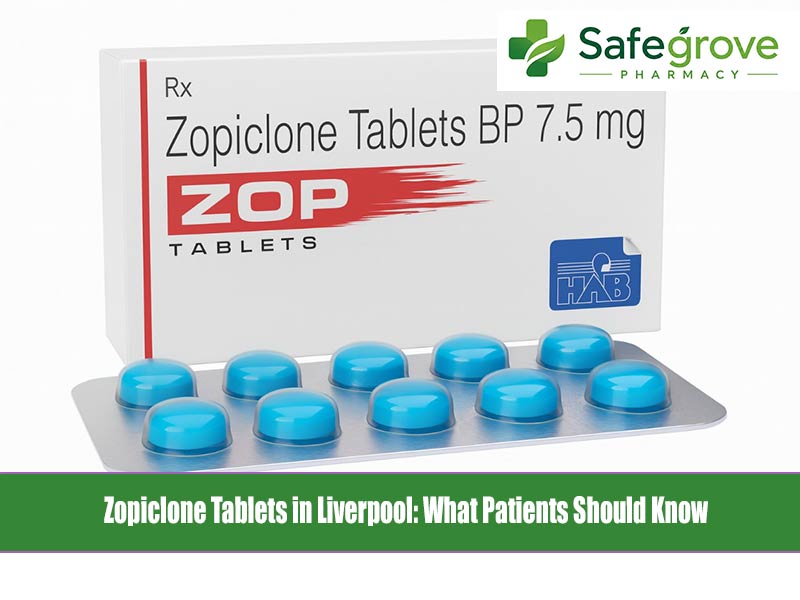
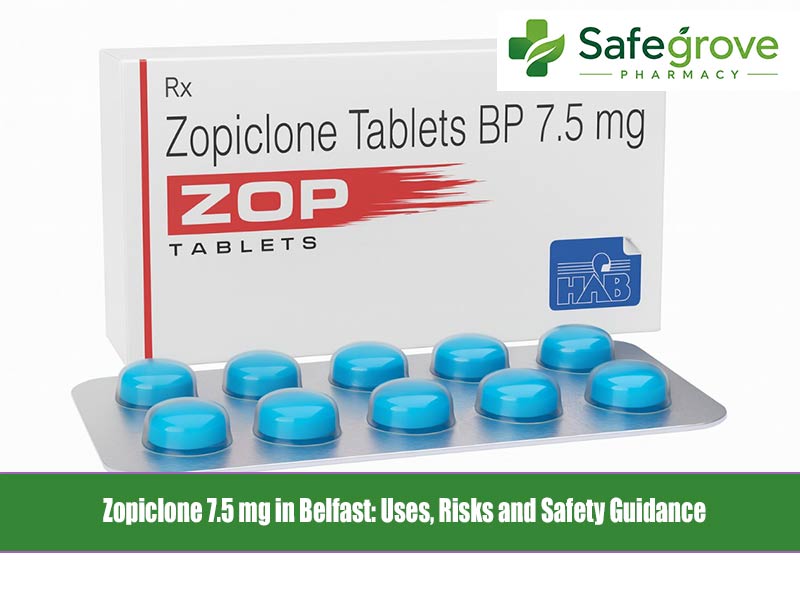
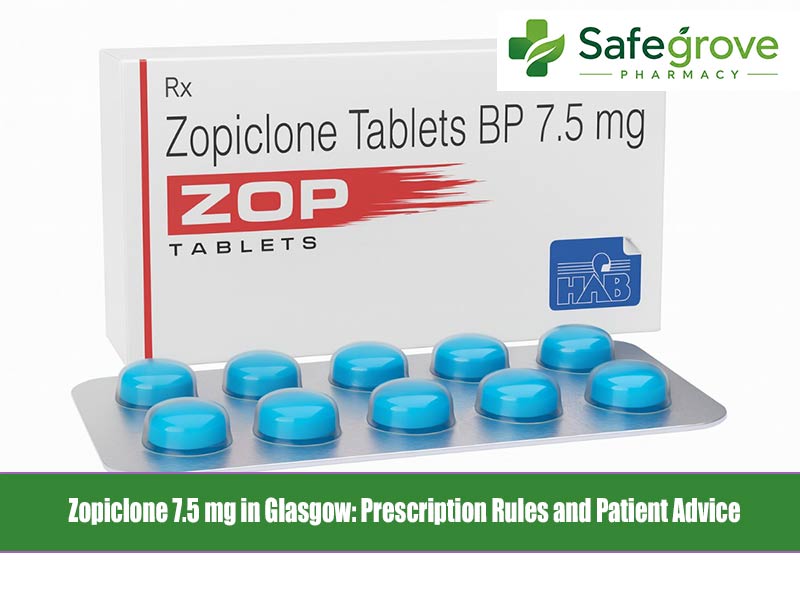
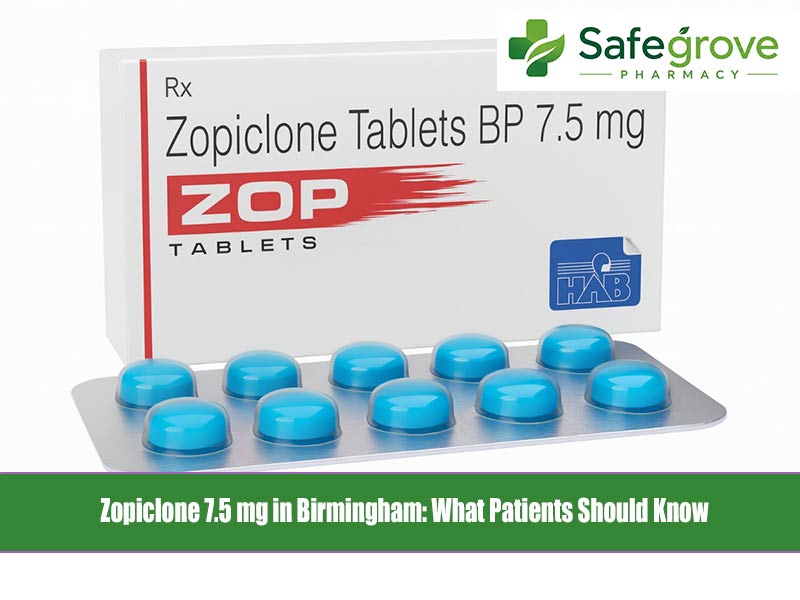
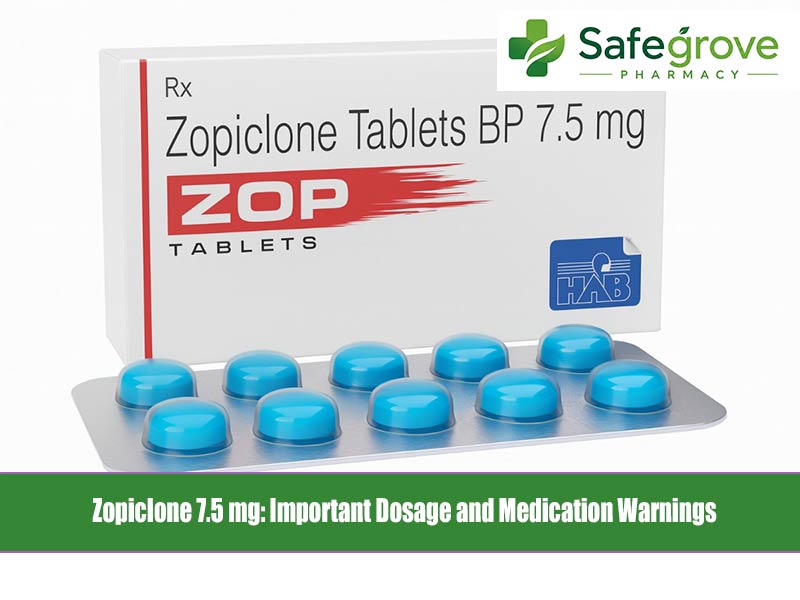
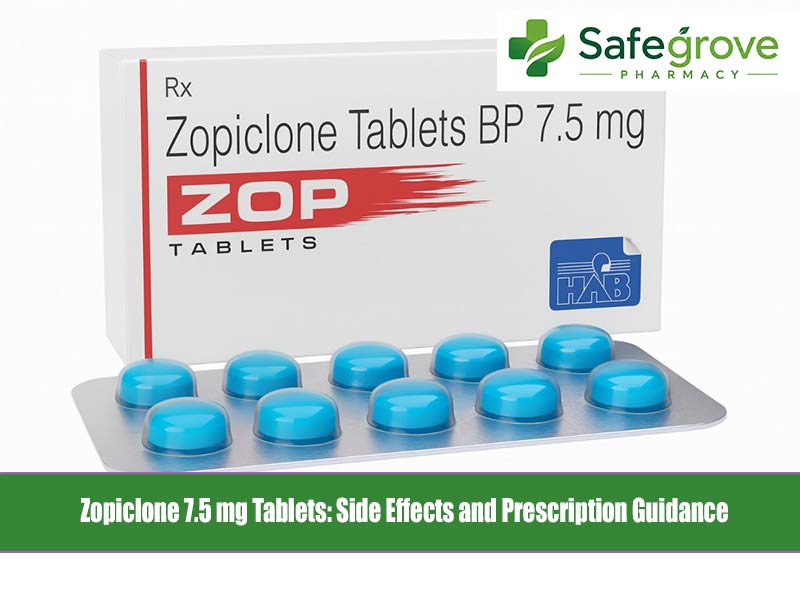
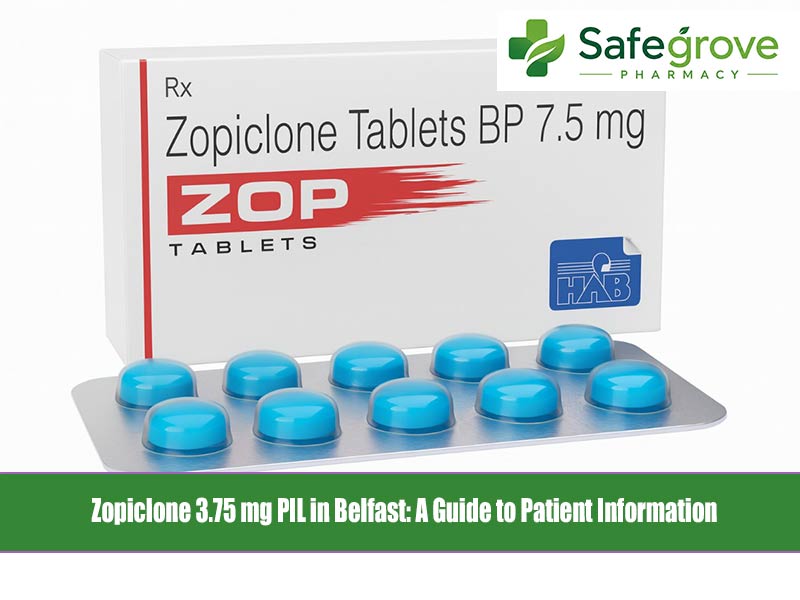
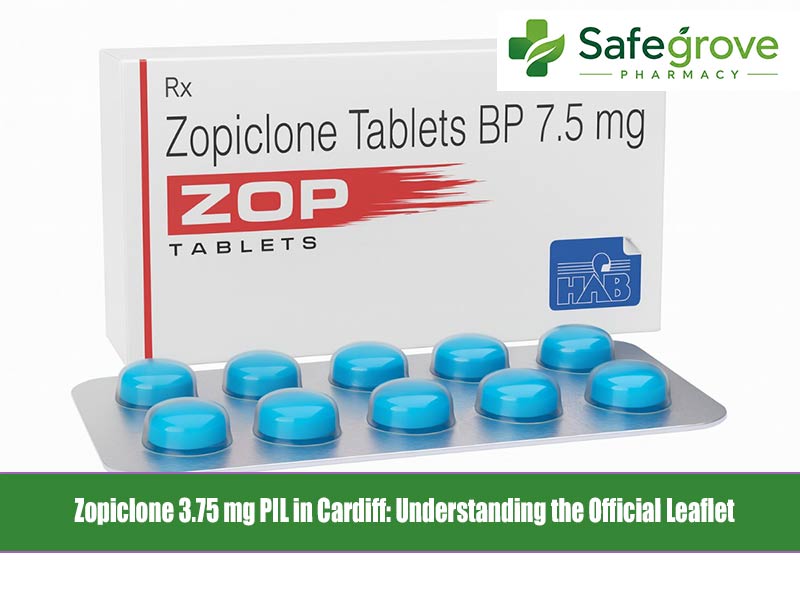
- Brand and Generic Forms: It is available generically as zopiclone (in 3.75mg and 7.5mg strengths) or under brand names such as Zimovane.
The UK Regulatory Framework: Why Zopiclone is Strictly Controlled
In the UK, including clinical practices across Liverpool and NHS trusts, prescription guidelines for zopiclone are subject to rigorous oversight. Because of risks associated with tolerance, dependence, and withdrawal, healthcare professionals treat zopiclone as an acute, last-resort intervention rather than a long-term solution.
1. The Two-to-Four-Week Rule
According to NICE and BNF standards, zopiclone treatment should be kept as short as possible—typically ranging from a few days up to a maximum of 2 to 4 weeks (inclusive of any tapering-off period). Prescribing it for longer periods dramatically increases the likelihood that the body will build a tolerance, rendering the medication ineffective, and triggering physiological dependence.
2. Exclusion from Repeat Prescriptions
As a general rule across UK general practices, zopiclone is not added to repeat prescription systems. Every single request requires clinical evaluation to ensure the patient is not slipping into chronic usage or masking underlying health conditions.
3. Step-by-Step Clinical Approach
Before a clinician in Liverpool issues a prescription for zopiclone tablets, they are expected to:
- Identify underlying causes: Evaluate lifestyle stressors, environmental factors, anxiety, depression, or physical ailments contributing to the sleep disturbance.
- Exhaust non-pharmacological options: Prioritize sleep hygiene education, cognitive behavioral therapy for insomnia (CBT-I), and relaxation techniques.
- Assess severity: Ensure the insomnia is genuinely disabling or causing severe daytime impairment before introducing a hypnotic.
Obtaining a Prescription in Liverpool: What Patients Should Expect
Whether accessing care through a local National Health Service (NHS) General Practice (GP) in Liverpool, an urgent care center, or registered online pharmacies operating within UK regulatory standards, the process follows strict protocols.
- Clinical Consultation: A face-to-face or digital consultation is mandatory. A doctor or independent prescriber will evaluate your medical history, sleep patterns, and previous treatments.
- Conservative Initial Dosing: For most adults, a standard starting dose is 7.5mg taken just before bedtime. For elderly or frail patients, or those with hepatic or renal impairment, a reduced dose of 3.75mg is typically prescribed to minimize risks of next-day drowsiness, confusion, and falls.
- Acute Supply Limitations: Initial prescriptions are often limited to a 7-to-14-day supply to closely monitor efficacy and side effects.
Important Safety Information and Side Effects
Like all potent central nervous system depressants, zopiclone carries specific safety warnings that patients must adhere to strictly:
- Next-Day Impairment & Driving: Zopiclone can impair coordination and alertness well into the following day. Current UK regulations state that patients must not drive, ride a bike, or operate heavy machinery for at least 12 hours after taking a dose.
- Alcohol Interaction: Never mix zopiclone with alcohol. Alcohol drastically amplifies the sedative properties of zopiclone, potentially leading to severe respiratory depression, profound unresponsiveness, or fatal overdose.
- Co-prescribing Warnings: Combining zopiclone with opioid painkillers (such as codeine, morphine, or tramadol) or other sedatives and anxiety medications requires extreme medical caution.
Common Side Effects
Bruising, sudden changes in mood, hallucinations, or complex sleep-related behaviors (such as sleep-walking or sleep-driving without full consciousness) require immediate medical discontinuation and consultation with a healthcare professional or NHS 111.
Stopping Zopiclone and Managing Withdrawal
Because prolonged use alters neurological pathways, patients should never stop taking zopiclone abruptly if they have used it daily for more than a couple of weeks. Sudden cessation can trigger an acute withdrawal syndrome characterized by:
- Rebound insomnia (worse sleep than before treatment)
- Increased anxiety, tremors, and sweating
- Muscle cramps, perceptual disturbances, or tinnitus
To withdraw safely, a clinician will design a gradual dose-tapering schedule (slowly reducing increments over several weeks) to allow the nervous system to adjust smoothly.
10 Frequently Asked Questions (FAQs)
1. What are zopiclone tablets primarily used for?
Zopiclone tablets are prescribed for the short-term management of severe, disabling insomnia that causes extreme distress and fails to respond to non-drug treatments.
2. Can I get zopiclone on a repeat prescription in the UK?
No. UK prescribing guidelines strongly advise against placing zopiclone on repeat prescription systems to prevent physical dependence and long-term misuse.
3. How long should I take zopiclone?
Treatment is intended to be as brief as possible, typically ranging from a few days up to a maximum of 2 to 4 weeks, including the tapering-off period.
4. What is the standard adult dose of zopiclone?
The usual adult dose is 7.5mg taken orally immediately before bedtime. Lower doses (such as 3.75mg) are prescribed for elderly patients or those with specific medical sensitivities.
5. Can I drink alcohol while taking zopiclone?
No. Alcohol must be avoided entirely while taking zopiclone because it dangerously intensifies sedation and can lead to severe breathing difficulties.
6. Is it safe to drive the morning after taking zopiclone?
You must not drive, cycle, or operate machinery for at least 12 hours after taking zopiclone. If you still feel drowsy or dazed, you must continue to avoid driving.
7. What happens if I miss a dose?
If you forget to take your tablet before bed, skip the missed dose and take your normal dose the following night. Never take a double dose to make up for a missed one.
8. Can zopiclone cause addiction or dependence?
Yes. Zopiclone carries a recognized risk of physical and psychological dependence if used continuously beyond recommended short-term timeframes.
9. How should I stop taking zopiclone safely?
You should not stop taking zopiclone suddenly. Consult your GP, who will provide a gradual dose-tapering plan to minimize withdrawal symptoms.
10. What should I do if I accidentally take too many zopiclone tablets?
Taking an extra dose or an overdose is dangerous. Call NHS 111 immediately or go to your nearest hospital A&E department. Do not drive yourself; arrange for someone else to drive or call 999.